 Systems
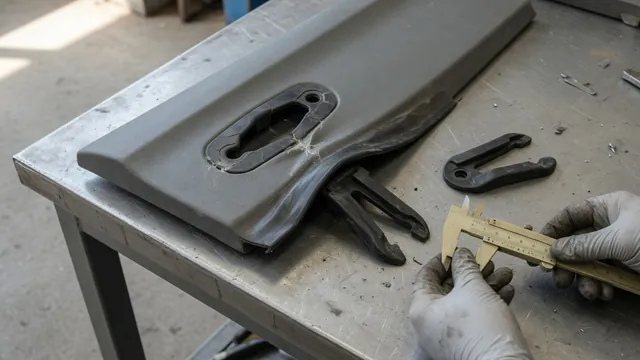
What Is Plastic Creep in a Car Component?
Plastic creep is the slow deformation of a polymer part under sustained load. Learn how long-term load, heat, and support design affect car components.
Practical automotive articles on maintenance, diagnostics, vehicle systems, buying used cars, tires and electric driving.
Systems
Plastic creep is the slow deformation of a polymer part under sustained load. Learn how long-term load, heat, and support design affect car components.
 Systems
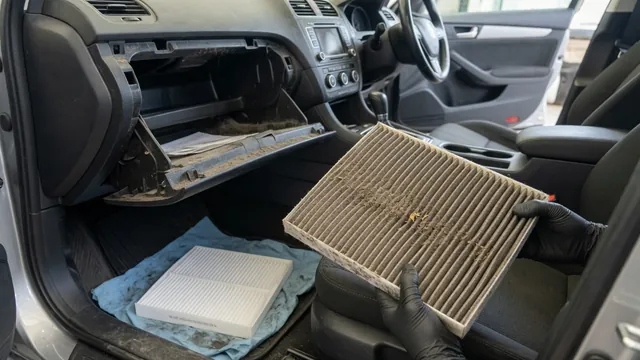
Learn how a dirty cabin filter loads with debris, why the blower moves less air against that added resistance, and what a proper replacement restores.
 Tires and wheels
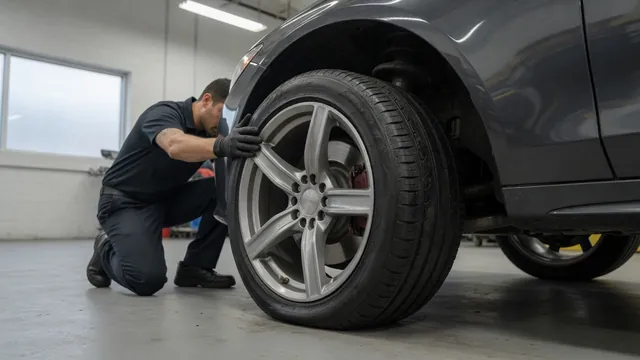
Learn what a run-flat tire sidewall is, how its reinforced structure carries load after pressure loss, where its limits are, and what a vehicle needs to use it.
 Systems
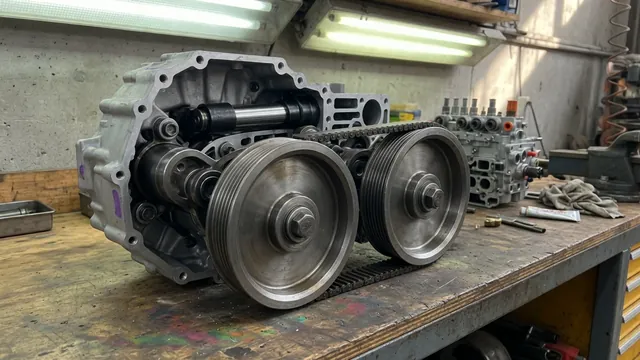
Learn what a CVT variator is and how variable-diameter pulleys, a steel belt or chain, and electro-hydraulic control work together to change ratios smoothly.
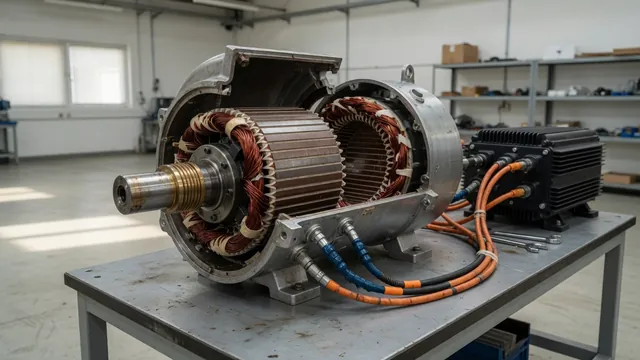 Electric and hybrid
A wound-rotor EV motor uses a DC-fed copper rotor winding instead of permanent magnets. Learn how its excitation, inverter control and packaging work.
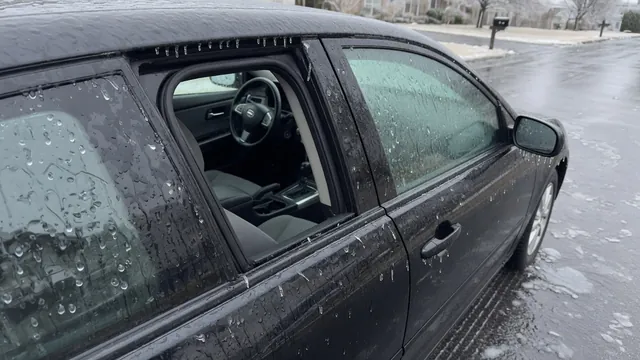 Ownership
Freezing rain can bond car door seals to the body. Learn how the ice forms, how to release a stuck door gently, and why drying the seals afterward matters.
 Systems
Why some cars move climate controls into the touchscreen: dashboard packaging, how screen-based HVAC interaction works, and the usability tradeoffs for drivers.
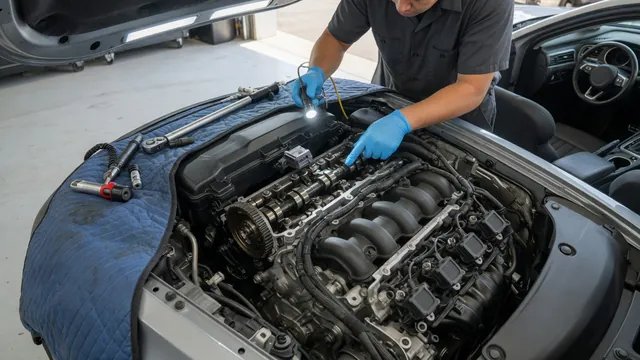 Systems
Learn what a camshaft position sensor does, how its signal guides fuel injection, ignition and valve timing, and how related faults are diagnosed.
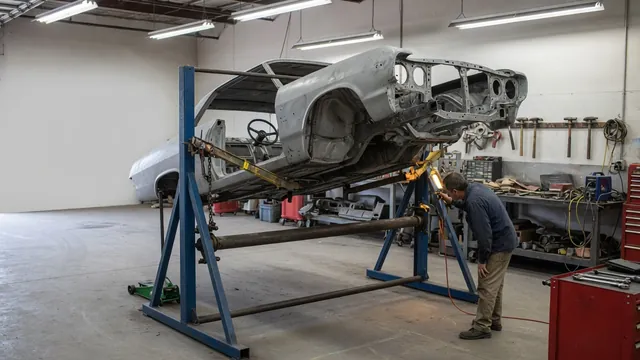 Maintenance
A rotisserie restoration mounts a stripped car body on a rotating fixture so every surface can be reached. Learn how it works, how the shell is supported, and what it covers.
 Systems
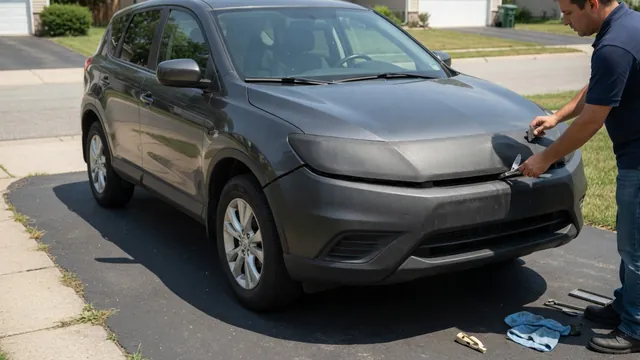
Learn why bumpers, trim, and other exterior plastic parts expand in heat, how thermal expansion affects panel gaps, and why parts are mounted to allow movement.
 Systems
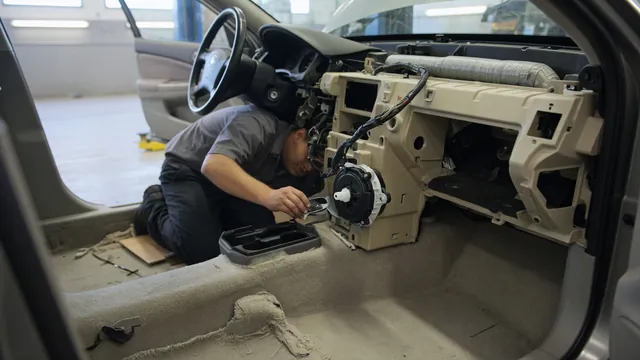
Learn how air mix (blend) doors split airflow between the heater core and a bypass to set cabin temperature, how actuators move them, and common failure symptoms.
 Tires and wheels
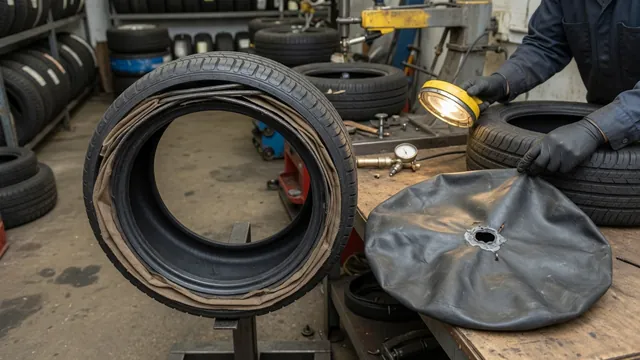
Learn why tubeless tires have an inner liner, how this low-permeability rubber layer holds air and protects the carcass, and what kinds of damage compromise it.
Your latest 12 modifications and trims, stored in this browser.