 Systems
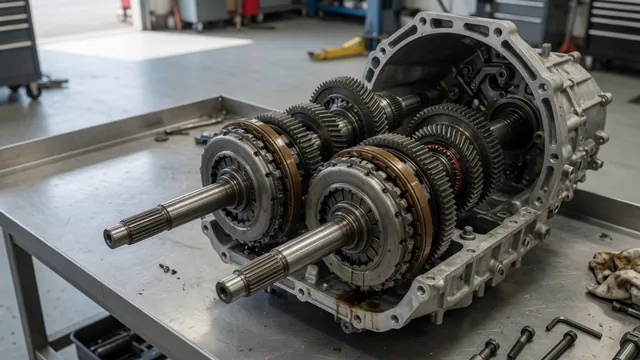
Why Does a Dual-Clutch Gearbox Have Two Input Shafts?
Learn why a dual-clutch gearbox uses two input shafts: how odd and even gears are split, how the next gear is preselected, and how the shafts are packaged.
Practical automotive articles on maintenance, diagnostics, vehicle systems, buying used cars, tires and electric driving.
Systems
Learn why a dual-clutch gearbox uses two input shafts: how odd and even gears are split, how the next gear is preselected, and how the shafts are packaged.
 Electric and hybrid
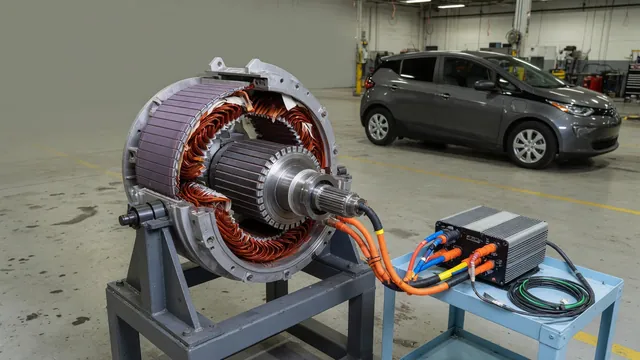
Learn how an induction EV motor works: induced rotor current, the rotating magnetic field, slip, and inverter control, plus practical trade-offs for owners.
 Ownership
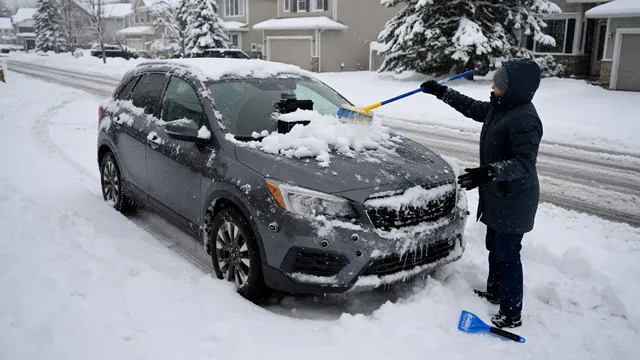
Learn why snow packs around car sensors, where parking sensors, radar and cameras are located, what blocked-sensor warnings mean, and how to clean them safely.
 Systems
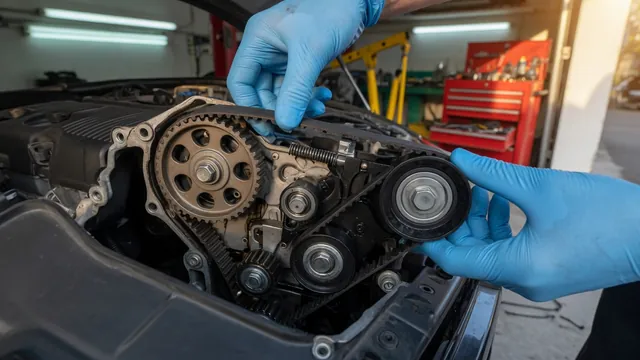
A timing belt tensioner keeps the timing belt at the right load and on its intended path. Learn how it works, why alignment matters, and which signs point to trouble.
 Systems
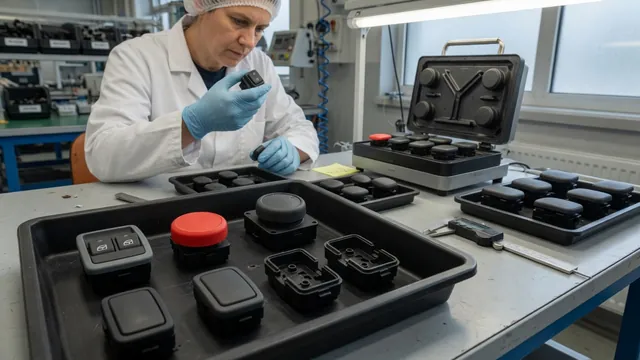
Learn how soft-touch car buttons are made: the polyurethane surface coating, the molded plastic substrate beneath it, and why these finishes wear or turn sticky.
 Systems
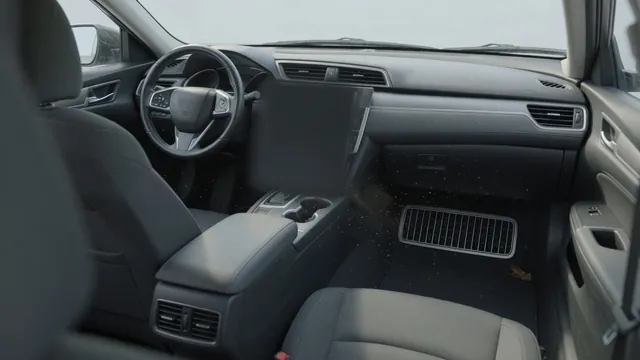
Learn why a cabin air return path matters for recirculation, blower fan efficiency and defogging, and which obstructions can restrict airflow in a car's cabin.
 Tires and wheels
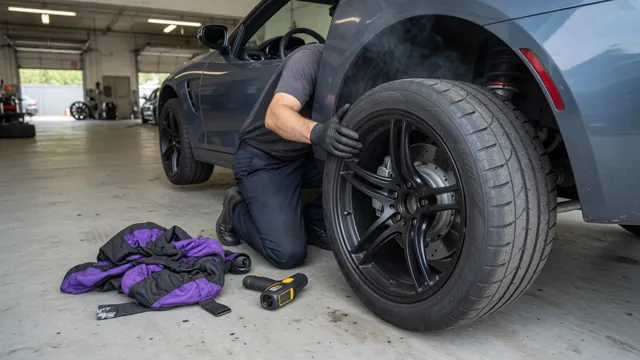
Learn what a tire compound is, what goes into car tire rubber, and how compound chemistry shapes grip, temperature behavior and tread wear.
 Systems
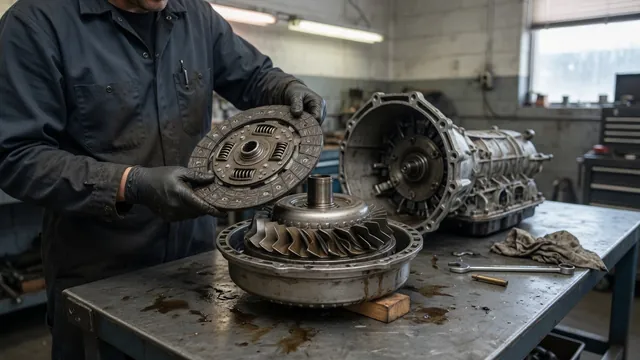
Learn what a torque converter lockup clutch does, how it reduces slip, when it engages, and why lockup shudder can occur in automatic transmissions.
 Maintenance
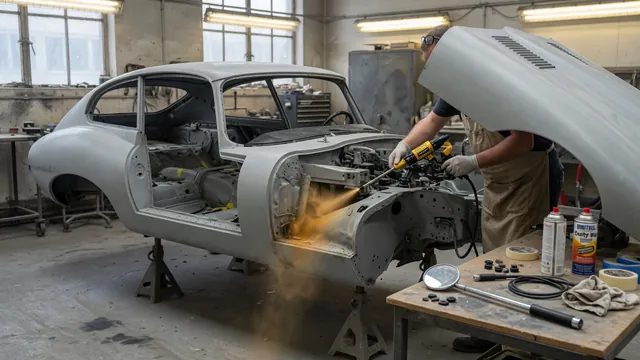
Learn how to protect hidden cavities during restoration: gaining clean access, choosing and applying cavity coatings, and keeping drainage paths open.
 Electric and hybrid
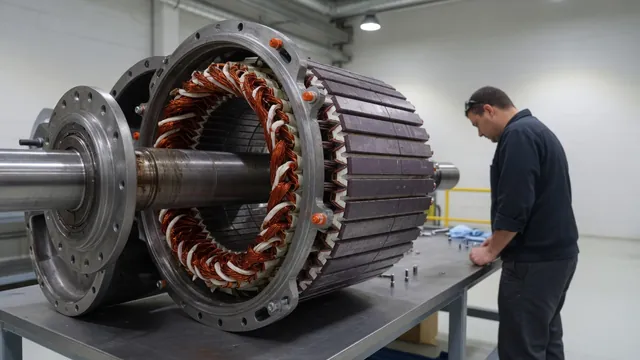
A permanent-magnet EV motor uses magnets in its rotor instead of induced currents. Learn how the rotor magnets work, why the design is efficient, and which materials it uses.
 Systems
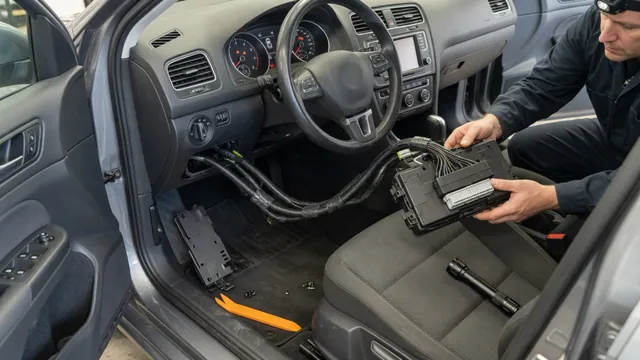
Learn how shared vehicle data networks let one failing module disrupt several car features, which symptoms to watch for, and how the fault is diagnosed.
 Ownership
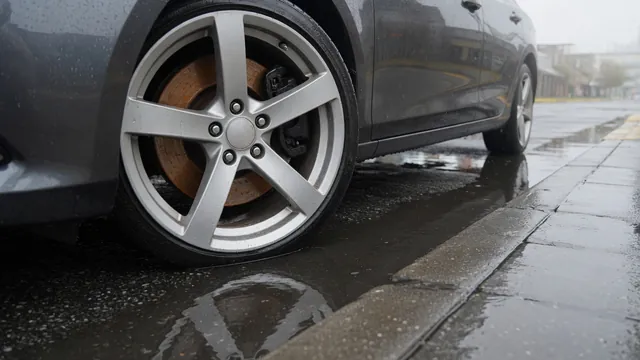
Rain leaves water and flash rust on brake rotors while a car is parked. Learn why the first stops feel different and which symptoms point to a real brake fault.
Your latest 12 modifications and trims, stored in this browser.