 Systems
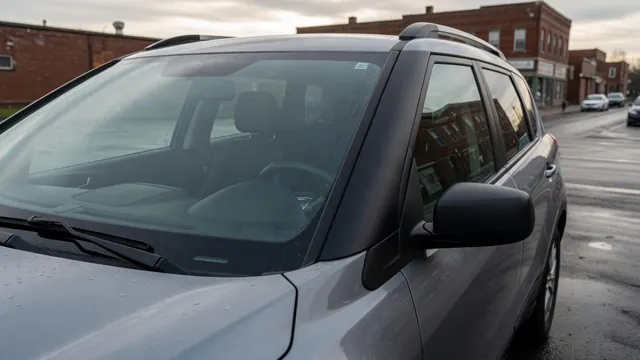
Why Are Car A-Pillars Sometimes Thick?
Learn why car A-pillars are sometimes thick: crash structure, packaging, windshield rake and mirror placement, and how the resulting blind zone affects visibility.
Practical automotive articles on maintenance, diagnostics, vehicle systems, buying used cars, tires and electric driving.
Systems
Learn why car A-pillars are sometimes thick: crash structure, packaging, windshield rake and mirror placement, and how the resulting blind zone affects visibility.
 Systems
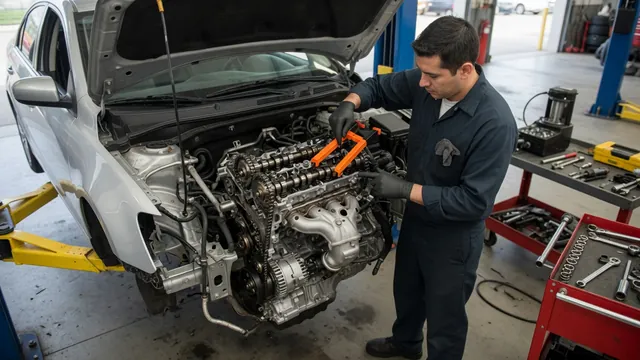
Learn what happens when valve timing is incorrect: how it disrupts airflow and combustion, the common warning signs, and how mistimed engines are diagnosed and repaired.
 Systems
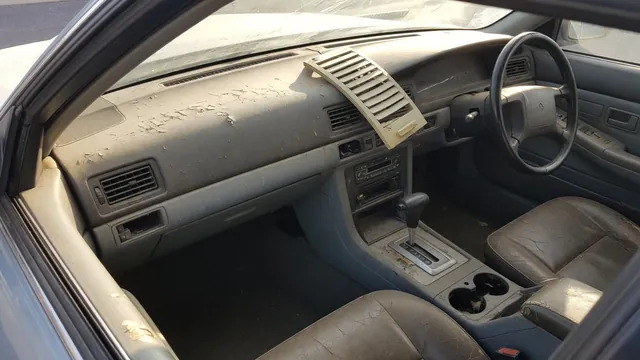
How heat, sunlight, time, stress and cleaning chemicals make car interior plastics brittle, and which repairs are realistic for cracked or broken trim.
 Systems
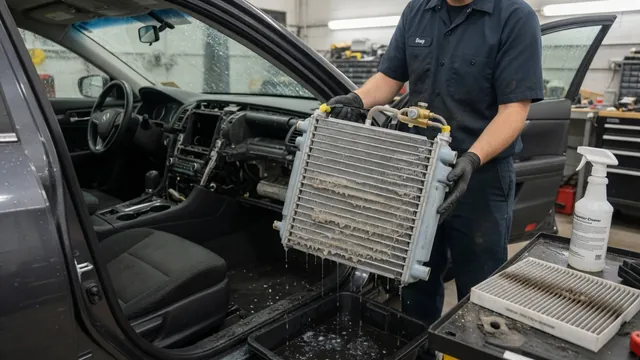
Learn what a car AC evaporator core does: how it cools cabin air, why it produces condensation, and why it can cause musty odors from the vents.
 Systems
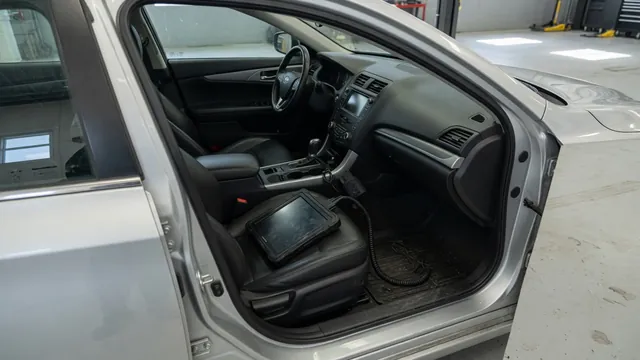
Learn how a car's diagnostic network links a scan tool to its control modules, what OBD-II and enhanced diagnostics can report, and where their limits are.
 Tires and wheels
Learn what a tire contact patch is, how load and inflation pressure shape it, and how this small area of tread creates the grip used for braking, steering, and acceleration.
 Systems
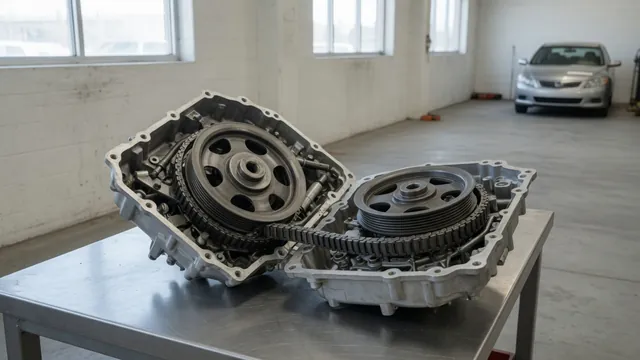
Learn how a CVT varies its pulley ratio, reads power demand and holds engine speed steady, plus why it feels different and where its limits are.
 Electric and hybrid
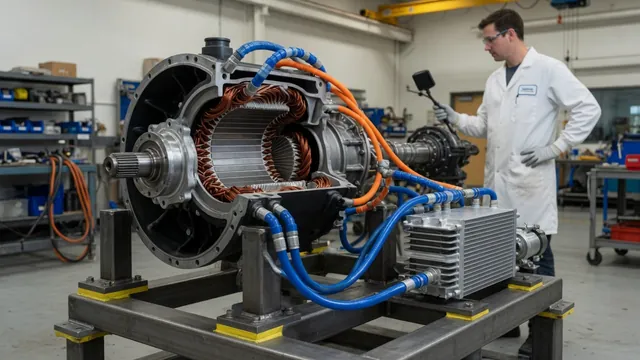
Learn why EV motors need cooling: where electrical losses create heat, how it leaves the motor and inverter, and why temperature limits sustained power.
 Ownership
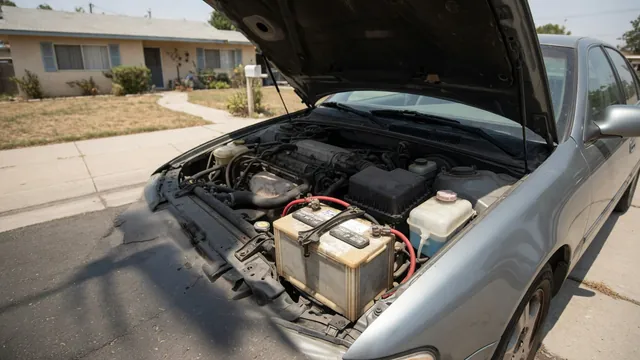
Learn how heat speeds up chemical wear inside a car battery, how to test for heat-related damage, and how battery placement affects aging.
 Systems
How door seals, glass, insulation, outside noise sources, and human perception work together to make a parked car cabin feel quiet, and where that quiet has limits.
 Maintenance
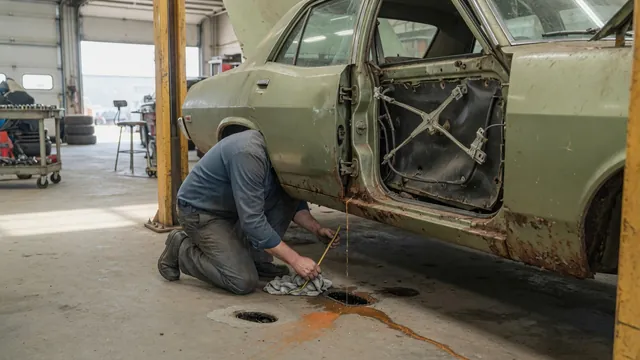
Learn how water moves through an old car's body, why clogged drain holes lead to hidden rust, and how to clean classic vehicle drain holes safely.
 Systems
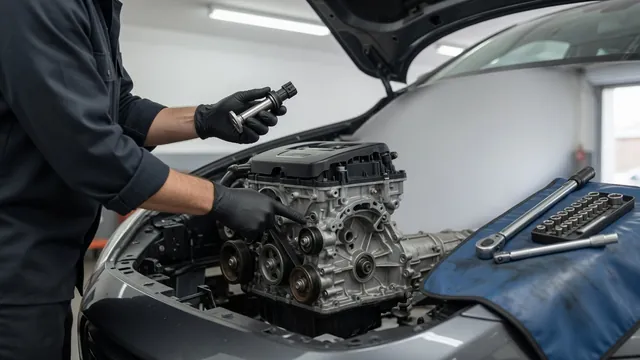
Learn what a crankshaft position sensor does: how it reports engine speed and position, controls spark and fuel timing, and why its failure can cause a no-start.
Your latest 12 modifications and trims, stored in this browser.