What Makes a Car Cabin Feel Quiet While Parked?
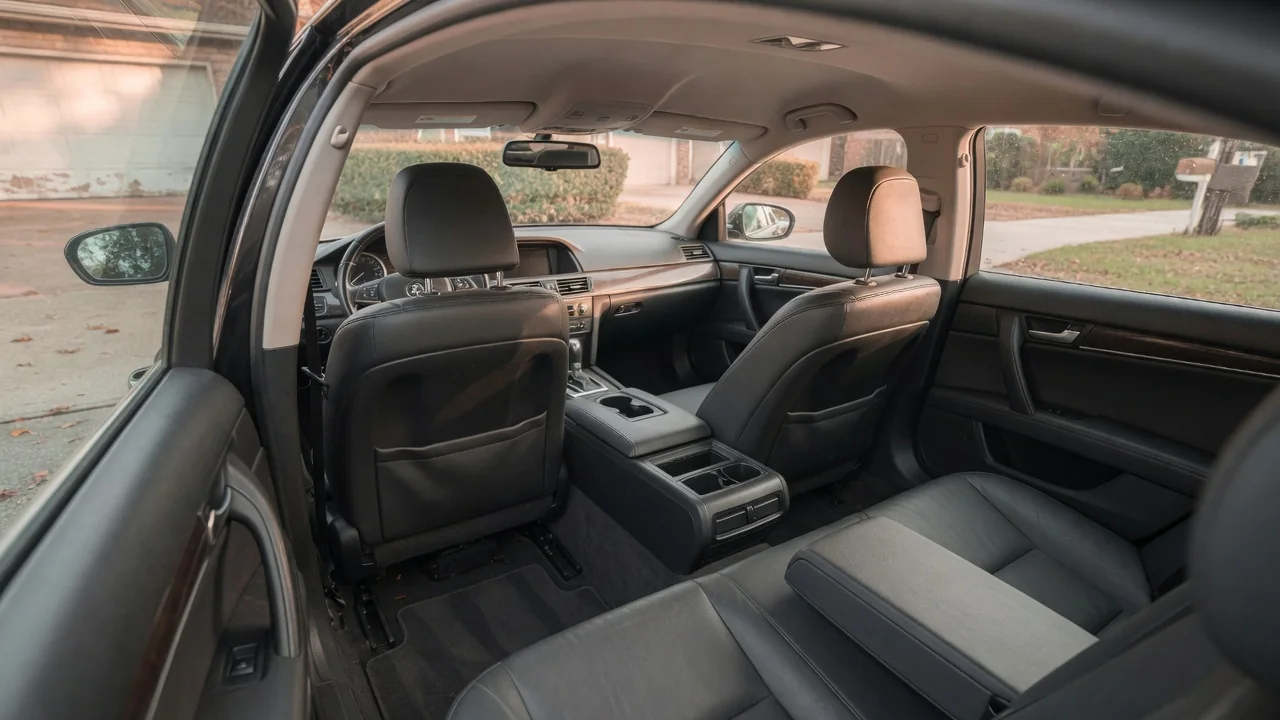
A parked car with the doors closed often feels calmer than the street just a few steps away. Several factors produce that effect. Seals and materials block and absorb sound. The kind of noise around the vehicle determines how much gets through. The ear and brain also interpret a small enclosed space in particular ways. Looking at each factor explains why some cabins feel hushed and others do not.
Seals and materials
The first defense is airtightness. Sound passes easily through any gap that air can pass through, so the rubber weatherstrips around the doors, windows, and trunk or tailgate matter a great deal. Many vehicles use more than one seal per door, often one on the body opening and another on the door itself, with a small air pocket between them. When these seals compress evenly, they close the paths that would otherwise let high-frequency sounds into the cabin, such as voices, tire hiss from passing cars, and birdsong. A seal that is torn, flattened with age, or misaligned can let in a surprising amount of noise, even when the rest of the cabin is well designed.
Glass and body panels act as barriers. In general, heavier and stiffer barriers block more airborne sound. That is why designers aiming for a quieter cabin commonly use thicker glazing or laminated glass with an acoustic interlayer. Laminated glass places a plastic layer between two sheets of glass, and that layer damps vibration so the pane does not ring. Sheet-metal panels often get similar treatment from bonded damping pads or sprayed coatings, which reduce the tendency of thin steel to resonate when sound strikes it.
Inside the cabin, soft materials handle absorption. Padded carpets, fibrous insulation behind trim panels, the headliner, and upholstered seats soak up sound energy that would otherwise bounce between hard surfaces. Barriers keep sound out, and absorbers stop the sound that does get in from lingering. A cabin that combines both usually feels quieter than one that relies on only one. This is the core of static cabin acoustic design: material and assembly choices that shape how the interior sounds even when the vehicle is not moving.
Outside noise
Outside noise does not reach the cabin equally across frequencies. Good seals and moderate barriers stop higher-frequency sounds fairly easily, such as conversation, footsteps, and wind in nearby trees. Lower-frequency sounds pass through panels and glass more readily. Examples include the rumble of a bus, an idling heavy truck, construction equipment, and bass from another car's audio system. These sounds can also travel through the ground and tires into the body structure. As a result, a parked cabin often leaves a muted low rumble while sharper sounds fade away.
Rain and hail are a special case because they strike the vehicle directly. The roof, hood, and glass become the source of the sound rather than a barrier against it. Damping on the roof panel and the absorbent headliner beneath it decide whether rainfall sounds like a soft patter or a sharp drumming. Surroundings matter too. The same outside source sounds different in an open lot, next to a reflective wall, or inside a parking garage, because sound reflects differently off each setting.
The vehicle itself can make noise while parked. An idling combustion engine, radiator cooling fans, the climate-control blower, pumps, relays, and actuators all produce sound. Electrified vehicles may run pumps, fans, or a compressor for battery or cabin temperature management even when stationary. How quiet the cabin feels therefore depends partly on whether these systems are running and how well their sound is isolated from the interior.
Perception
Feeling quiet is not the same as a low reading on a sound meter. The human ear is less sensitive to very low frequencies than to the midrange where speech sits. A cabin with a faint low hum may still feel calm, while a smaller amount of high-pitched whine or hiss can seem intrusive. Steady, broadband sound is usually easier to ignore than clicks, ticks, or tonal noises that stand out against the background.
Masking also plays a role. While driving, road and wind noise cover up minor sounds. Once the car is parked with everything off, that masking disappears and small noises come forward. These include the ticking of cooling exhaust components, the click of a relay, the faint whir of an electronic module shutting down, or a seat belt buckle tapping against trim. A well-insulated cabin can therefore feel quieter overall while individual small sounds become easier to notice than they would be on the road.
The acoustic character of the space shapes the impression as well. Soft, absorbent surfaces leave little echo, so voices sound close and contained and the space feels hushed. Hard plastics and large glass areas reflect more sound and can make the interior feel livelier. Other cues contribute too, such as the solid sound of a door closing and the sense of being enclosed. These impressions are subjective and vary from person to person.
Practical implications and limits
For owners, seal condition is often the easiest factor to check. Look for cracked, flattened, or displaced weatherstrips, make sure the doors latch fully, and confirm that the windows close completely into their channels. These checks can catch new sound leaks. A window left slightly open or a sunroof that does not seal fully can undo much of the cabin's isolation. Aftermarket damping and insulation products exist, but their effect depends heavily on where and how they are installed. Adding material does little if the main noise path is a gap.
It also helps to know what a cabin cannot do. No production interior isolates occupants completely, and low-frequency noise from heavy vehicles or machinery is the hardest to block. A cabin that feels quiet while parked may not feel equally quiet at highway speed, where wind and tire noise dominate, and the reverse is also possible. Engine idle, climate control, and other onboard systems behave differently from vehicle to vehicle and condition to condition. The owner's manual is the best guide to what is normal for a particular model.
Finally, quiet should not come at the expense of safety. A well-sealed cabin can make it harder to hear sirens, horns, or people nearby, so occupants waiting in a parked car should stay aware of their surroundings. Running a combustion engine in an enclosed or poorly ventilated space, such as a closed garage, is dangerous because of carbon monoxide, no matter how comfortable the cabin feels.