What to Check on a Car Left Outside for Weeks: Glass, Seals, Tires and Body
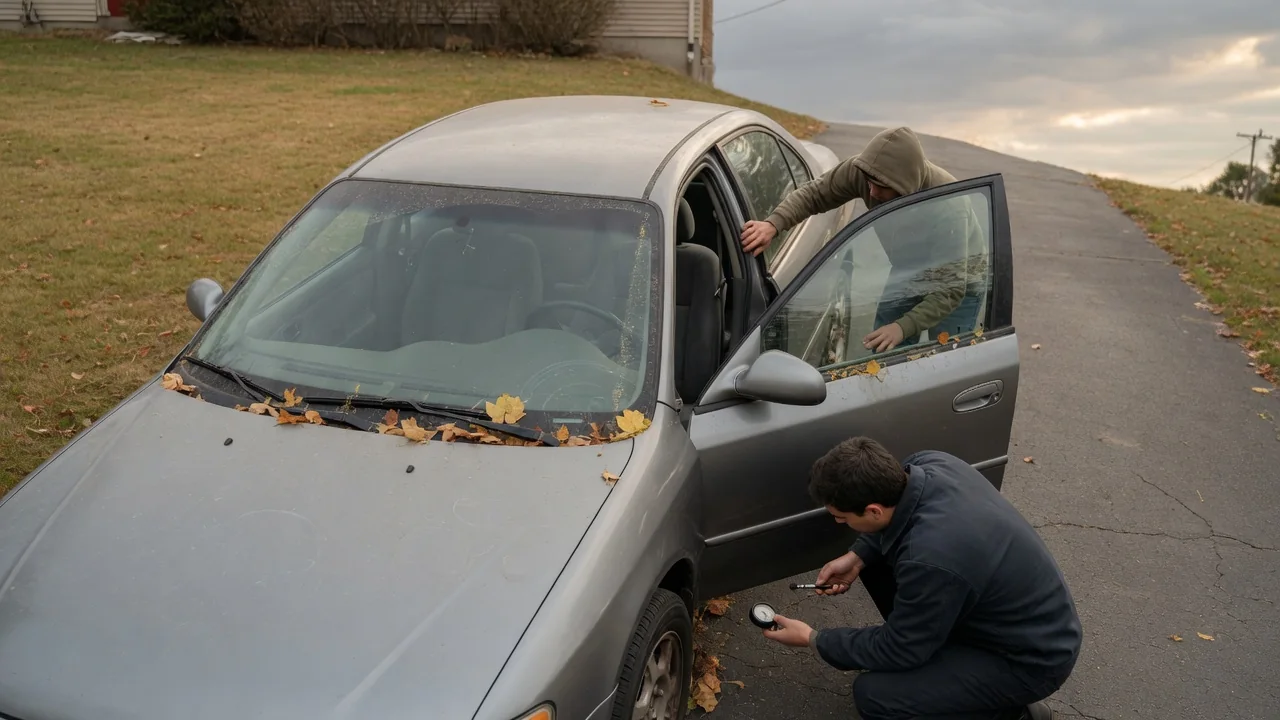
A car that sits outdoors for several weeks faces sun, rain, temperature swings, tree sap, bird droppings and settling dirt without the regular use that usually reveals small problems early. A short outdoor parked car inspection before you drive again catches issues that are cheap to fix now and costly to ignore. This guide covers what to check on a car left outside for weeks: the glass and seals, the tires, and the body.
Glass and seals
Start with the windshield and windows. Look closely for chips and cracks, especially small impact marks that may have come from falling debris or hail. Repeated heating in the sun and cooling at night puts stress on glass, and an existing chip can spread over time. Clear leaves, needles and grit from the glass and from the area at the base of the windshield before using the wipers. Then check the wiper blades themselves. Rubber left in strong sun can harden or crack, and in cold or humid weather blades can stick to the glass. Lift each wiper arm gently to free it rather than switching the wipers on, which can tear the rubber or strain the wiper motor. Run a finger along the edge: a smooth, flexible blade is fine, while a chalky, split or stiff edge will streak and should be replaced. Top up the washer reservoir if it is low.
Next, inspect the rubber seals around the doors, windows, trunk or hatch, and sunroof if the car has one. Weatherstripping exposed to sunlight and outdoor air gradually dries out, and the signs are surface cracking, shrinking at the corners, flattened sections or pieces pulling away from the frame. Open each door and look at the seal where it meets the body. Then check the inside of the car for evidence that water got past them: damp carpet, water marks on the headliner, condensation on the inside of the glass or a musty smell. Many vehicles also have drain channels, for example around a sunroof, below the windshield and at the bottom of the doors, that can clog with leaves and send water where it should not go. Their exact locations vary by vehicle, so the owner's manual is the best guide to where they are and how to clear them.
Tires
Tires slowly lose air even when they are in good condition, and cooler temperatures lower pressure further. After a few weeks, one or more tires may be noticeably underinflated, which affects handling, braking and tire wear. Check all four tires, and the spare if it is accessible, with a gauge before driving any distance. Measure when the tires are cold, before the car has been driven or sat in direct sun for long, and compare the readings with the recommended pressures on the door jamb placard or in the owner's manual. The number molded into the sidewall is the tire's maximum rating, not the target pressure. If one tire is much lower than the others, a slow leak from a nail, a valve stem or the bead is more likely than normal seepage, and that tire deserves a closer look.
Look at the tires as well as measuring them. Sun exposure and age can cause fine cracks in the sidewalls and between tread blocks, often called weather checking. Light surface crazing is common on older tires, but deep cracks, bulges, blisters or cuts are signs of a weakened tire that should be checked by a tire professional before the car is used. Check the tread for embedded nails, screws or stones. Also be aware that a tire resting in one position for an extended period can develop a temporary flat spot where it contacted the ground. This may show up as a vibration or thumping during the first few miles that often fades as the tire warms and regains its shape. How likely and how lasting this is depends on the tire construction, the length of storage and the temperature, so a vibration that does not go away needs inspection rather than assumptions.
Body
Walk around the car in good daylight and look for contaminants on the paint. Bird droppings, tree sap, insect residue and pollen are more than cosmetic. Some of these deposits are chemically aggressive, and when they sit on the surface and are baked by the sun they can etch or stain the clear coat. Remove them as soon as practical. Soften dried deposits with water or a suitable automotive cleaner and lift them off gently; scrubbing a dry, gritty surface can leave scratches. A full wash afterward makes the rest of the inspection easier, because dirt hides small damage.
Once the paint is clean, check for physical damage. Hail and falling branches can leave dents on the roof, hood and trunk lid that are easiest to spot by looking along the panel at a low angle. Look for scratches and chips that go through to bare metal, since exposed steel can begin to rust, particularly in wet or coastal conditions. Pay attention to the lower edges of doors, wheel arches and the area around the trunk opening, where moisture and debris collect. Clear leaves and needles from the cowl, around the hood hinges and from any gaps where they could hold moisture against the body. Check headlight and taillight lenses for cracks or moisture inside, and make sure mirrors are intact. If you see droppings, chewed material or nesting debris near the wheel wells, animals may have found shelter in the car, which is a reason to look under the hood before starting it.
Practical implications and limits
The order of the checks matters. A visual walk-around and glass cleanup come first, because you need clear visibility and need to know whether anything is obviously damaged. Tire pressure should be corrected before the car moves, not after a drive to the nearest air pump on soft tires. The first drive is part of the inspection: keep speeds modest at first, listen for unusual noises and notice any vibration, pulling or change in steering feel. A problem that appears only once the car is moving is information worth acting on, not something to drive through.
A visual check also has limits. It cannot reveal internal tire damage, a seal that only leaks in heavy rain, or corrosion forming out of sight. How much a car is affected by weeks outdoors depends on the climate, the season, the vehicle's age, the condition of its rubber and paint, and where it was parked. When you find a bulging or deeply cracked tire, a windshield crack in the driver's line of sight, a water leak you cannot trace, or paint bubbling that suggests rust underneath, a qualified technician or tire shop is the right next step. This guide also covers only glass, seals, tires and body; the battery, brakes, fluids and engine bay need their own checks after storage, following the owner's manual.
If the car will sit outside again, a few habits reduce the work next time. Parking away from trees limits sap, droppings and falling branches. A breathable, well-fitting cover put on a clean, dry car can reduce sun and debris exposure, though a cover trapping grit or moisture against the paint can cause its own problems. A brief check every week or two, covering tire pressure, clearing debris and removing fresh droppings, keeps small issues from building up while the car waits.