What to Check After a Car Sits in Direct Sun for Weeks
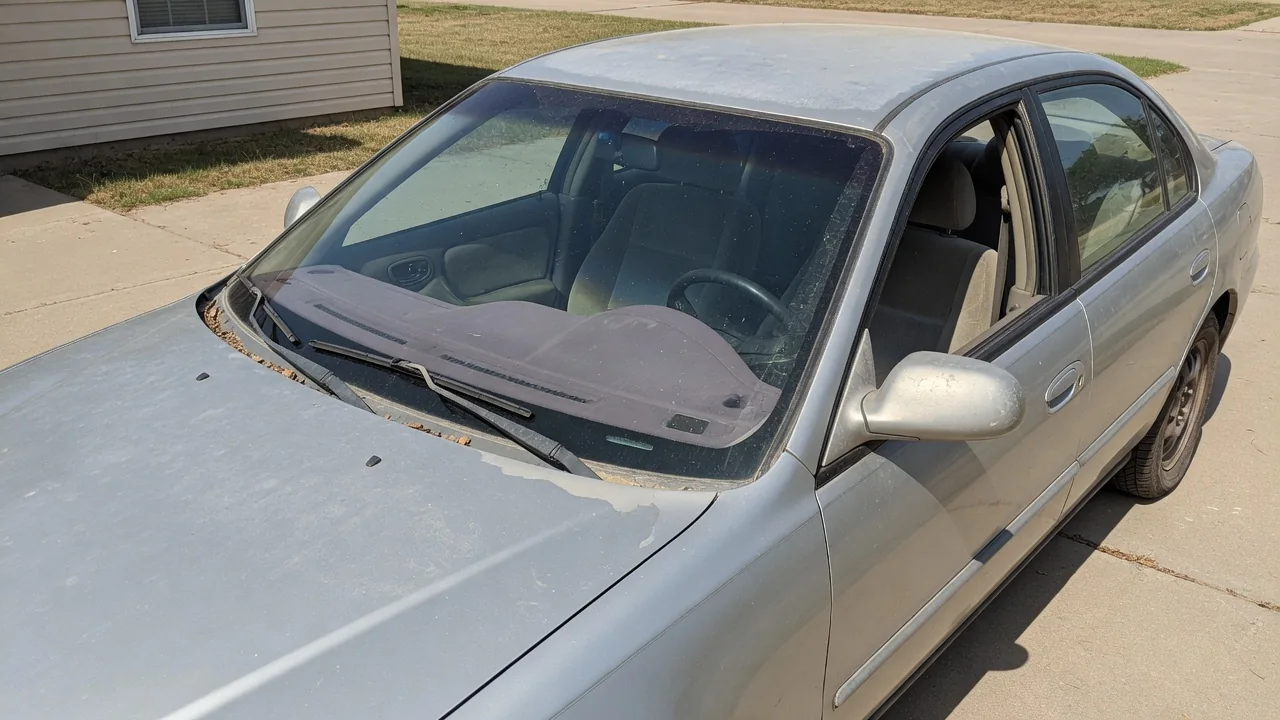
Knowing what to check after a car sits in direct sun for weeks helps you catch small problems before the first drive turns them into bigger ones. Heat and ultraviolet light work on rubber, plastics, fluids and electrical storage even when the engine never runs. A methodical look at the battery, tires and interior condition takes only a few minutes and tells you whether the vehicle is ready for the road.
Walkaround
Start outside, before unlocking anything. Look at how the car sits: a corner that looks lower than the others usually points to a tire that has lost pressure, since all tires seep air slowly over weeks and temperature swings exaggerate the change. Check each sidewall for fine cracking, bulges or a chalky, faded look, and examine the tread where it meets the ground, because a tire resting in one position can develop a temporary flat spot that causes vibration at first.
Continue around the body with attention to parts that sunlight ages fastest. Wiper blades can harden or stick to the glass, rubber door and window seals may feel dry or tacky, and paint on the roof, hood and trunk may show bird droppings or tree sap baked onto the surface. Glance underneath for fresh drips, then compare the measured tire pressure with the figure on the vehicle's placard, usually found on the driver's door jamb, though its location and values vary by model.
Battery state
A battery loses charge while a car is parked because modern vehicles keep drawing a small current for alarm systems, keyless entry receivers and control module memory. High temperature adds to this by speeding up the chemical self-discharge inside the battery and, in serviceable designs, evaporating electrolyte. The first clues are often subtle: the remote unlocks sluggishly or not at all, the interior lights look dim, or the instrument cluster flickers when you press the start button or turn the key.
If the engine cranks slowly or only clicks, the battery is likely low, but that observation alone does not prove it has failed; a deeply discharged battery may recover with a proper charge, while an older one may not hold it. Look for white or greenish corrosion on the terminals and a swollen case, which suggests heat damage. Battery placement differs widely, with some under the hood and others in the trunk or beneath a seat, so the owner's manual is the reliable guide to access and jump-starting points.
Cabin surfaces
Open the doors and let the trapped heat escape before sitting down, since a closed cabin in direct sun becomes far hotter than the outside air. Then study the dashboard top, which takes the most ultraviolet exposure through the windshield. Fading, a sticky or glossy film, small cracks near vents and warped trim edges are typical signs of plastic and vinyl breaking down. A hazy film on the inside of the glass often comes from vapors released by those heated materials.
Seats and touch points deserve the same attention. Leather can dry out, stiffen and lighten in color along the upper bolsters, while cloth tends to fade unevenly where sunlight fell through a side window. Check that adhesive-mounted items such as mirror housings, phone mounts and headliner fabric have not loosened, and test the touchscreen, since displays may respond slowly until the cabin cools. Remove anything left behind, including pressurized cans, electronics, medications and bottled drinks, because prolonged heat can spoil or damage them.
Everyday Use and Observations
The first drive is itself an inspection. Before pulling away, watch the warning lights go through their start-up check and note any that remain lit; a tire pressure warning or battery symbol is information to follow up, not a diagnosis in itself. Run the air conditioning and notice whether the airflow smells musty, which can indicate moisture in the ventilation system. Press the brake pedal to confirm it feels firm, as surface rust on the discs after standing is common and normally clears with gentle use.
On the road, keep speeds moderate for the first few miles and pay attention to what the car tells you. A rhythmic thump or steering wheel shake that fades as the tires warm suggests temporary flat-spotting, whereas vibration that persists deserves a closer look. Listen for squealing belts, watch the temperature gauge, and try the wipers and washers once. A short trip around the block may not replenish the battery, so a longer drive or a suitable charger gives a more reliable result.
Limits and Next Steps
A visual inspection has clear boundaries. You cannot see internal damage in a tire, judge a battery's remaining capacity by looking at it, or tell from the driver's seat whether fluids have degraded. Tires with sidewall cracks, bulges or an unknown age should be assessed by a tire professional before highway use, and a battery that repeatedly needs a boost warrants a load test at a shop. Fuel, brake fluid and coolant condition depend on the vehicle and how long it actually stood.
If everything checks out, a few habits reduce the wear next time. Shade, a windshield sunshade or a breathable cover limits heat and ultraviolet exposure, and a battery maintainer approved for the vehicle's battery type keeps the charge up during long parking. Moving the car occasionally changes the tire contact patch. For vehicles with hybrid or electric drivetrains, storage guidance for the high-voltage pack is manufacturer-specific, so the owner's manual or a dealer should confirm the recommended state of charge and parking procedure.