Why Do Car Seat Buckles Get Hot in Sun?
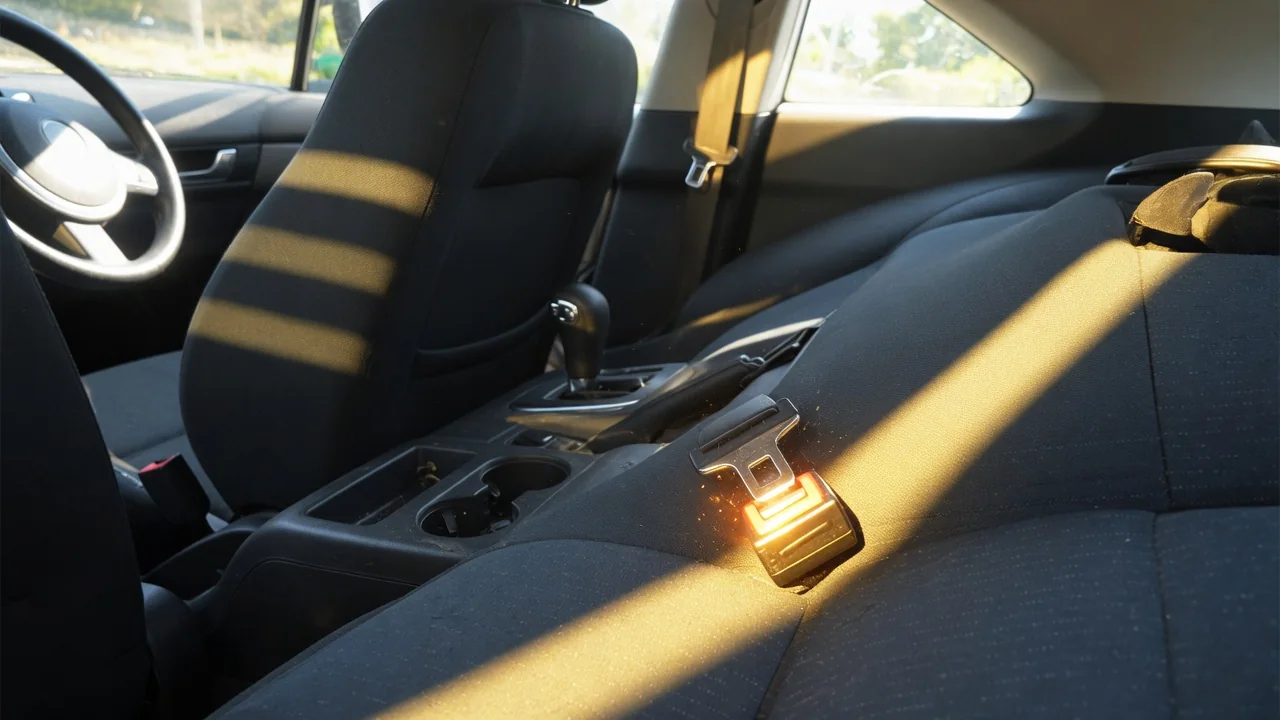
Anyone who has climbed into a parked vehicle on a bright afternoon knows the sting of a scorching seat belt latch. The answer to why do car seat buckles get hot in sun lies in how a closed cabin traps solar energy and how readily metal passes that energy to skin. The sections below cover the heat absorption involved and practical ways to handle buckles safely.
Material heat
Sunlight enters through the windshield and side glass, then strikes the seats, dashboard, and hardware. Those surfaces absorb the energy and release it again as longer-wave infrared heat, which glass does not pass back out nearly as easily. The cabin therefore climbs well above the outside air temperature, and any buckle sitting directly in a sunbeam absorbs radiation on top of the warm air surrounding it. A latch plate resting on a dark seat cushion also picks up heat from the upholstery beneath it.
Metal feels far hotter than fabric at the same temperature because it conducts heat quickly. When a finger touches a steel belt tongue, energy flows into the skin faster than it would from cloth webbing or foam padding, so the sensation is sharper and a burn can happen sooner. Dark plastic buckle housings absorb sunlight readily as well, though they deliver heat more slowly. Designs differ, with some vehicles and child seats using mostly exposed metal and others wrapping the hardware in plastic.
Shade choices
Where and how a vehicle is parked changes how much direct sun reaches the buckles. A garage, a covered structure, or the shadow of a building removes the direct beam entirely, while tree shade reduces it as the sun moves. When open parking is the only option, pointing the windshield away from the sun or fitting a reflective windshield shade limits the energy entering through the largest pane. Rear side-window shades matter most for back seats, where child restraints usually sit.
Covering the hardware itself is often the most direct fix. A light-colored towel or blanket draped across the seat keeps sunlight off the latch plates and reflects part of the energy that would otherwise be absorbed. Belt tongues can also be tucked beside the cushion, out of the beam. Any cover placed over a child seat should come off completely before the child is seated, and add-on products are worth checking against the seat manual, since manufacturers differ on what they permit.
Check before use
A quick touch test before buckling prevents most painful surprises. Briefly pressing the back of the hand against metal tongues, the crotch buckle, and any exposed hardware reveals whether a surface is too hot to rest against skin. This matters most for infants and young children, whose skin is thinner and who cannot pull away or explain what hurts. Dark vinyl, leather, and plastic shells around the buckle deserve the same check, because they also hold considerable heat after sitting in sunlight.
When a buckle fails the touch test, cooling it first is better than rushing. Opening the doors for a minute lets trapped air escape, and running the air conditioning with the vents aimed toward the seat brings surface temperatures down further. Wiping the metal with a damp cloth speeds the process. Adults can hold the belt by its webbing instead of the metal tongue. Whatever method is used, the restraint still needs to be latched and snug before the vehicle moves.
Everyday Use and Observations
Daily driving shows clear patterns. The buckle on the sunward side of the cabin is usually the hotter one, and the low afternoon sun often reaches rear seat hardware through the side glass that the midday sun missed. Vehicles with dark interiors, large glass areas, or panoramic roofs tend to expose more hardware to direct light, while factory tinted or solar-control glass can soften the effect. Even on a mild, clear day, a buckle left in a direct beam can become uncomfortably warm.
Small habits reduce the problem. After unbuckling a child, placing the harness tongues in the storage pockets or holders that some seats provide keeps the metal out of the sun, and flipping the buckle face down hides its shiniest surface. Drivers with remote start or cabin preconditioning, where equipped, can cool the interior before boarding, though dense metal parts lag behind the air temperature and may still need a check. Parking in the same spot daily makes it easy to learn which seats catch the sun.
Limits and Next Steps
Shade and covers lower buckle temperatures, but they have limits. A windshield shade blocks only one pane, and over several hours the cabin air still warms enough to heat every surface inside. Slightly opened windows bring only modest relief. None of these measures makes a parked vehicle safe for a child or pet left inside, since interior temperatures rise quickly regardless of shading. How hot the hardware actually gets depends on climate, glass, interior color, and parking time, so results vary from one vehicle to another.
A few follow-up steps help when heat becomes a recurring issue. The vehicle owner's manual and the child seat manual explain which shades, covers, and accessories are acceptable for that specific equipment. A buckle that sticks, looks warped or discolored, or no longer latches with a firm click should be inspected by a qualified technician or referred to the seat manufacturer before further use. If skin contact with hot metal leaves redness or blistering, particularly on a child, seek medical advice.