 Systems
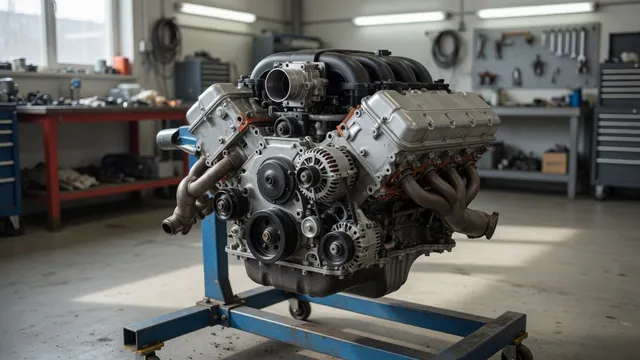
What Is a Narrow-Angle V Engine? Bank Angle, Head Layout and Packaging
Learn what a narrow-angle V engine is, how its tight bank angle and shared cylinder head work, and why designers use it to fit more cylinders into less space.
Practical automotive articles on maintenance, diagnostics, vehicle systems, buying used cars, tires and electric driving.
Systems
Learn what a narrow-angle V engine is, how its tight bank angle and shared cylinder head work, and why designers use it to fit more cylinders into less space.
 Electric and hybrid
An EV charging curve shows how fast-charging power changes with state of charge and battery temperature, and why that shape matters when planning charging stops.
 Ownership
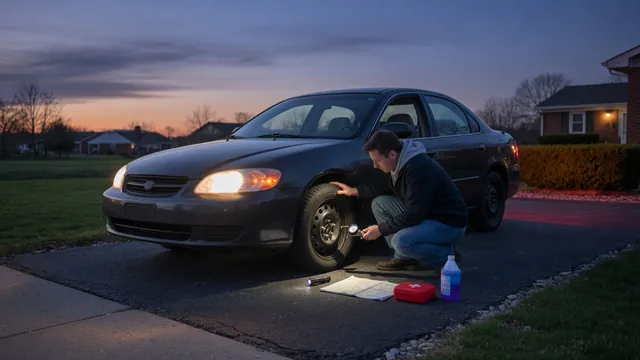
Before a long night drive, check your lights, glass and wipers, honestly assess fatigue and eyesight, and plan open stops plus a fallback place to rest.
 Systems
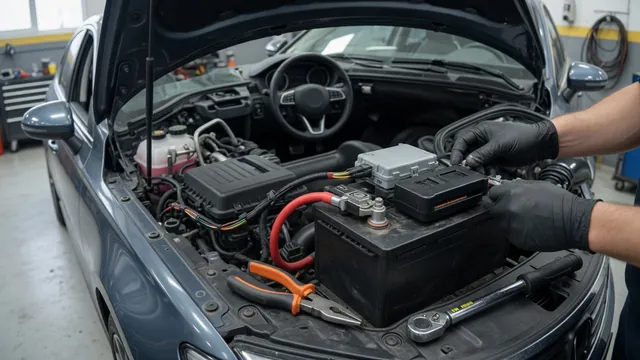
A smart battery terminal measures battery current, voltage, and temperature so the vehicle can manage charging. Learn how it works and what it means for service.
 Systems
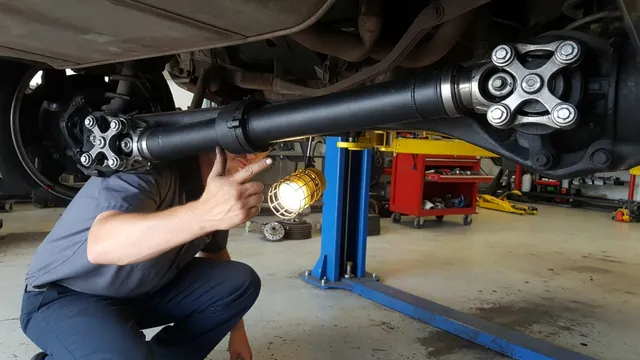
Learn why a driveshaft needs universal joints: how they handle changing angles, why joint angles affect smooth rotation, and what wears them out.
 Systems
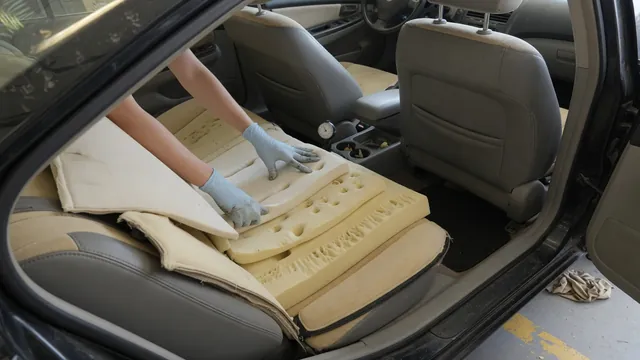
Learn why car seats use different foam densities in different zones, and how support, comfort and aging shape the way a seat feels and wears over time.
 Systems
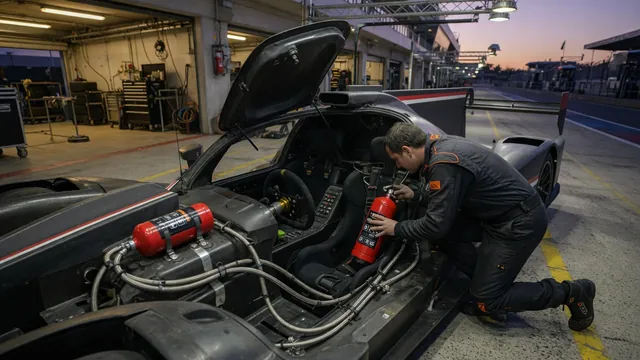
Learn why race cars use fire suppression systems, how they are activated, which areas they protect, and what maintenance keeps them ready to work.
 Maintenance
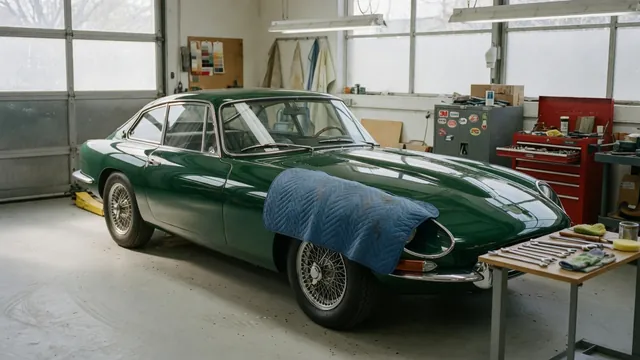
Learn what a concours-style restoration means: returning a car to factory-correct appearance, supporting it with documentation, and understanding its practical limits.
 Systems
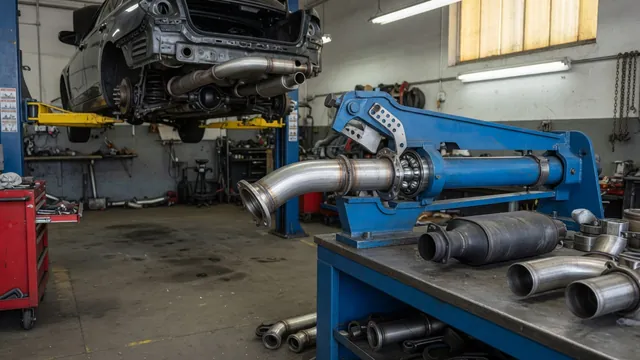
Learn how car exhaust pipes are bent, how bend radius and mandrel or crush bending affect exhaust flow, and what makes a bent pipe fit the vehicle.
 Electric and hybrid
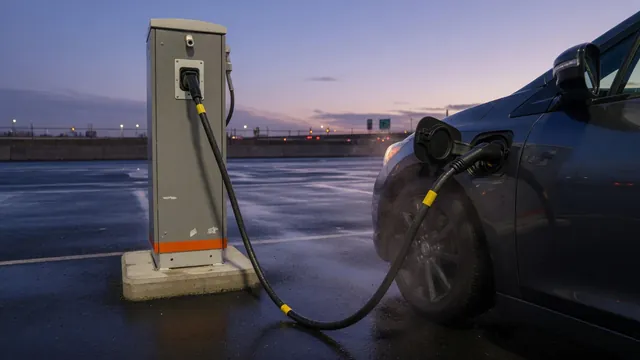
Learn why the vehicle, not just the charger, sets the DC fast charging limit, and how battery voltage, current ceilings and temperature shape charging speed.
 Systems
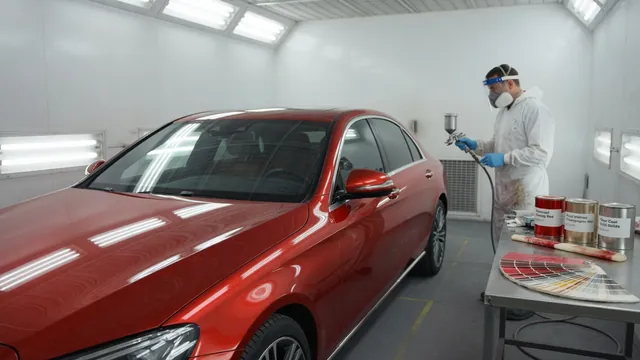
Learn how a tri-coat car paint finish layers a base coat, a translucent pearl effect coat, and a clear coat, why it is harder to color match, and what that means for repairs.
 Systems
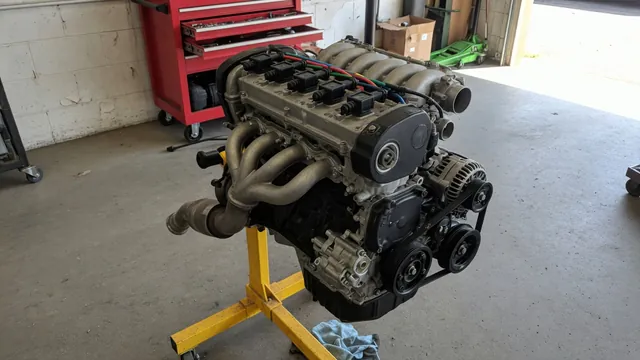
Learn why three- and five-cylinder engines exist and how an odd cylinder count affects engine balance, packaging in the engine bay, and the sound it makes.
Your latest 12 modifications and trims, stored in this browser.