What Is a Concours-Style Restoration? Meaning, Standards and Limits
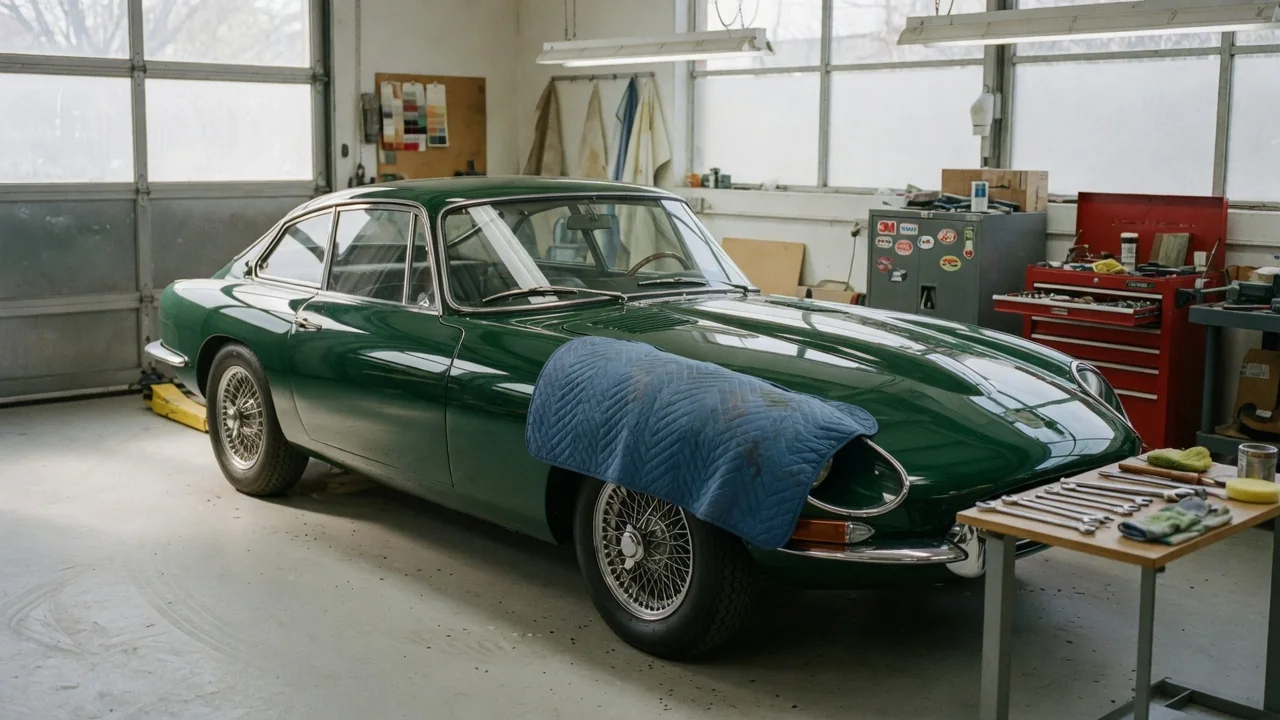
A concours-style restoration returns a vehicle to the condition it is believed to have had when it left the factory, down to finishes, fasteners and markings, so it can be presented and judged against originality standards. If you are asking what a concours style restoration is, or what concours car restoration means in practice, the short answer is that it is the most exacting restoration approach, guided by research and evidence rather than personal taste. It also carries trade-offs worth understanding before you commit.
Original appearance
The term comes from concours d'elegance events, where vehicles are presented and evaluated by judges. A concours-style restoration aims for factory-correct, not better than new. That distinction matters because a car can be over-restored: paint with more gloss than the factory applied, chrome or polished surfaces where the original part was painted or plated, flawless panel gaps where production cars had normal variation, or a fully detailed underside that the factory left rough. Depending on the event or club standard, judges may deduct points for these departures just as they would for missing or incorrect parts.
The work therefore reaches into areas most restorations treat casually. Typical attention points include paint color, texture and sheen; the appearance of primer, sealer and undercoating in hidden areas; factory inspection marks and labels; hose clamps, fastener head markings and fastener finishes; wiring insulation colors and routing; upholstery materials, grain and stitch patterns; and tires of the correct type and size. Mechanical components are expected to match the vehicle's production configuration, which is why the condition of original, numbered major components is often treated as significant.
Original is not a single fixed template. Manufacturers made running changes during production, different assembly plants sometimes used different suppliers or methods, and option combinations varied from car to car. A detail that is correct on one example may be wrong on another of the same model. A concours-style project first establishes the target specification for the specific vehicle, then restores to that target.
Documentation
Documentation serves two purposes: it guides the work, and it supports the claims made about the finished car. Research sources commonly include factory build records where they exist, data plates and VIN decoding, factory service manuals, parts catalogs, assembly references, period sales literature, and well-preserved unrestored examples used as references. Marque clubs often publish judging guidelines that describe what they consider correct. Each source has limits; promotional photographs and brochures, for example, may show preproduction vehicles or retouched images, so they are weighed against other evidence rather than accepted on their own.
Documenting the restoration itself is equally important. Thorough photography before and during disassembly captures factory markings, finishes and component placement that would otherwise be lost once parts are cleaned or refinished. Parts are labeled and tracked, and records note whether each component is original to the car, original but refinished, new old stock, or reproduction. Receipts, supplier information and component identification numbers complete the file.
A well-organized record helps judges, inspectors and future owners understand what was done and why. It also separates verified history from assumption. Where evidence is missing, the honest approach is to record the gap rather than fill it with a guess presented as fact.
Practical limits
Parts availability is the most common constraint. New old stock is finite and often scarce, original components may be too deteriorated to save, and reproduction parts can differ from the originals in materials, markings, texture or fit. The restorer has to choose between refurbishing what exists, sourcing increasingly rare original-specification parts, or accepting reproductions, and judging standards may not treat those choices equally.
Materials and methods impose further limits. Some original finishes, coatings and materials are no longer manufactured, and some are restricted for environmental or health reasons, such as certain paint chemistries or asbestos-containing components. In those cases the goal becomes replicating appearance with a currently available material. Factory work was also inconsistent at times, so deciding whether to reproduce an imperfection is a judgment call. When sources conflict, knowledgeable people can reasonably disagree about what is correct.
Safety and function can pull against originality as well. Period-correct components may lack later improvements in braking, lighting or occupant protection, and rubber parts and tires age regardless of mileage. A car restored strictly to original specification reflects the engineering of its era, including its limitations.
What it means for ownership and planning
A concours-standard car is usually used differently from a regular classic. Road driving brings stone chips, underbody grime, fluid seepage and wear that reduce presentation quality, so many owners transport the car to events and drive it sparingly. That also means more attention to storage conditions, cleaning techniques and pre-event preparation. If you want a car to drive often and enjoy without worry, a driver-quality restoration or a carefully planned modernization may suit your goals better.
Planning should begin with a clear definition of the target. Decide which judging standard or level of originality you are aiming for, which deviations you will accept, and how decisions will be made when evidence is unclear. If a shop is doing the work, agree in writing on the specification, the parts sourcing approach and the documentation you expect to receive. Research, sourcing and detail work generally add time and cost compared with other restoration styles, so budgets and schedules benefit from realistic contingency.
Expectations also need limits. A meticulous restoration does not guarantee awards or a particular market value, since judging varies between events and understanding of what is correct can change as new evidence surfaces. Owners who want some modern reliability or safety improvements often choose reversible changes and keep the original parts, preserving the option to return the car to correct specification later. Whether the full concours approach makes sense depends on the vehicle's significance and how you intend to use it.