 Systems
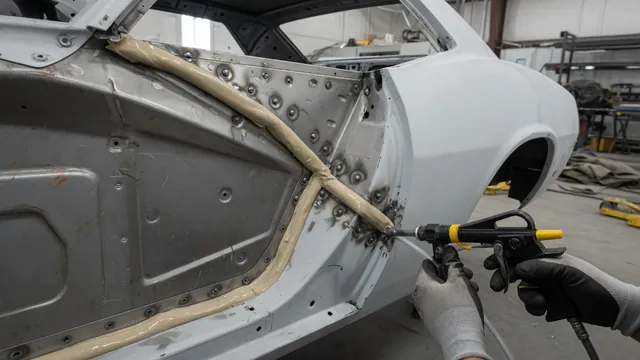
Why Are Body Panel Flanges Important? Joining, Stiffness and Sealing
Learn why body panel flanges matter: how a car panel flange creates a joining edge, stiffens thin sheet metal, and gives seams a surface that can be sealed.
Practical automotive articles on maintenance, diagnostics, vehicle systems, buying used cars, tires and electric driving.
Systems
Learn why body panel flanges matter: how a car panel flange creates a joining edge, stiffens thin sheet metal, and gives seams a surface that can be sealed.
 Systems
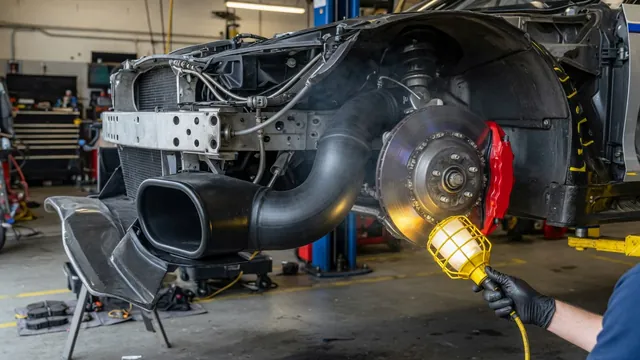
Learn what a racing brake duct is, how a motorsport brake cooling duct routes air to the brakes, why heat control matters, and how ducts are packaged on a car.
 Electric and hybrid
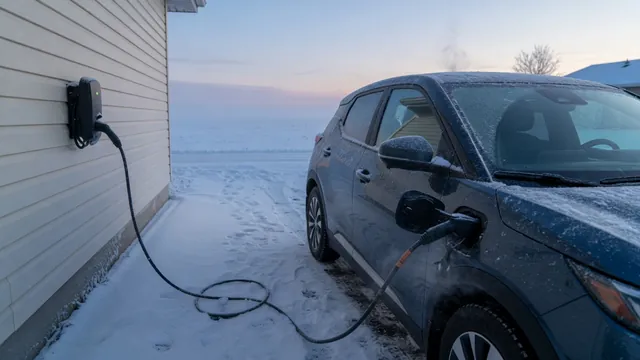
Learn how battery temperature affects EV charge speed, why cold and hot packs charge slower, and how preconditioning helps the battery accept power.
 Systems
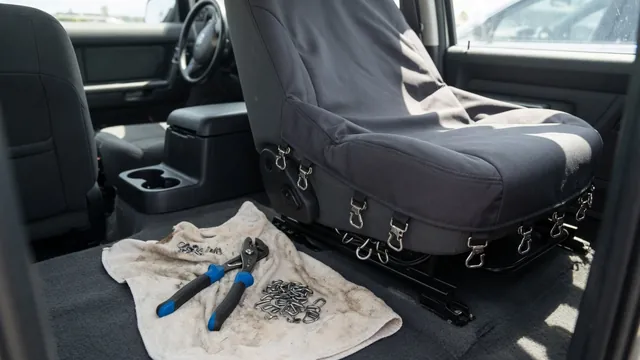
Learn how car seat upholstery covers are attached with hooks, clips, hog rings and sewn seams, and what to consider before removing or repairing a seat cover.
 Systems
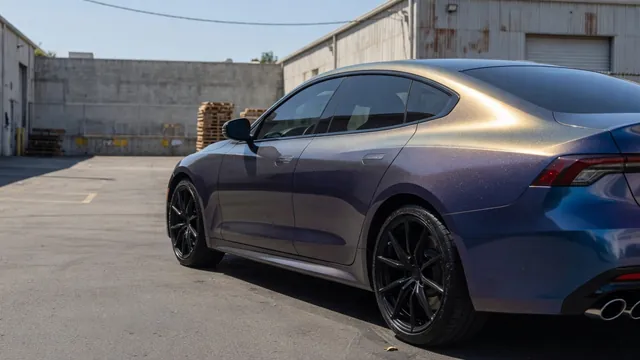
Learn what the car paint flop effect is, how metallic flake orientation and viewing angle change color, and why flop matters when matching refinish paint.
 Systems
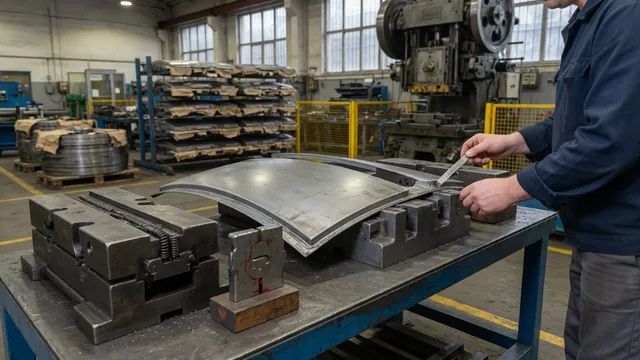
Learn what springback in car sheet metal is, why formed panels partially recover their shape, how stamping dies compensate for it, and how it affects panel fit.
 Ownership
A backup road keeps a trip moving when closures, delays, weak navigation signals or fuel limits disrupt the main route. Learn how to plan one that works.
 Systems
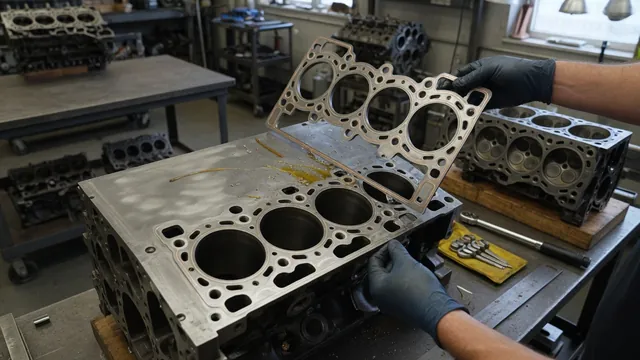
Learn what the engine block deck is, how the deck surface seals the cylinders with the head gasket, and what decking or resurfacing involves during engine repair.
 Systems
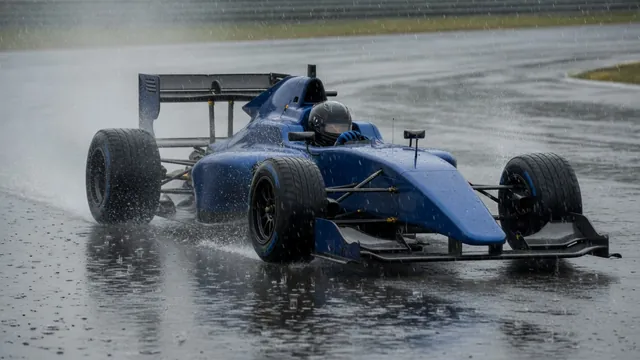
Learn why race cars switch to wet tires in the rain: how grooved tread clears water, which track conditions call for wets, and how teams choose the right tire.
 Electric and hybrid
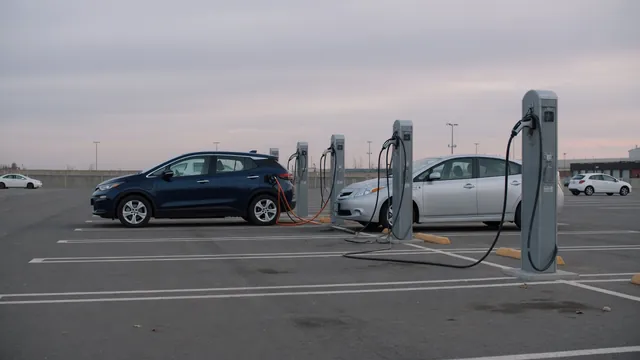
EV charging power sharing divides a site's limited electrical capacity among several chargers. Learn how it works, how vehicles share power and what it means for charging speed.
 Maintenance
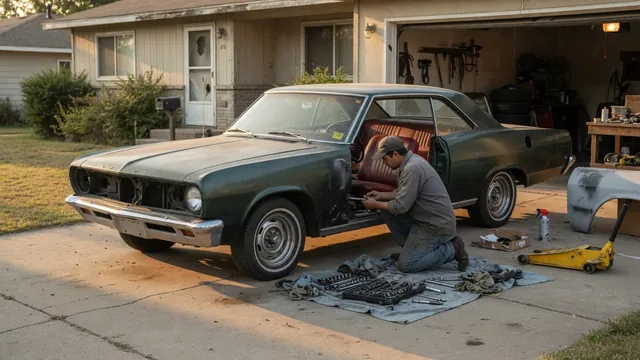
A rolling restoration brings an older car back in planned stages while it stays drivable. Learn how staged work, continued use, and coordination fit together.
 Systems
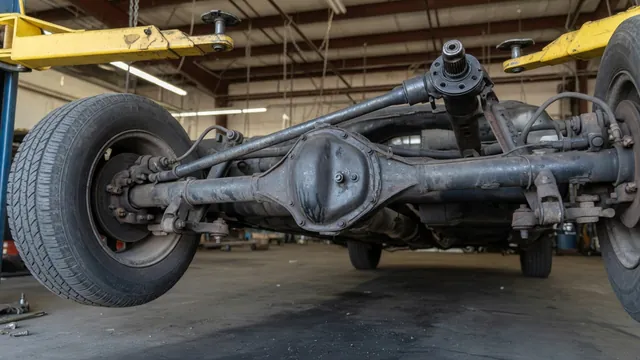
Learn why wheels need different speeds in a turn, how differential gears allow it, and why an open differential struggles when one wheel loses traction.
Your latest 12 modifications and trims, stored in this browser.