What Is a Rolling Restoration? Staged Work While You Keep Driving
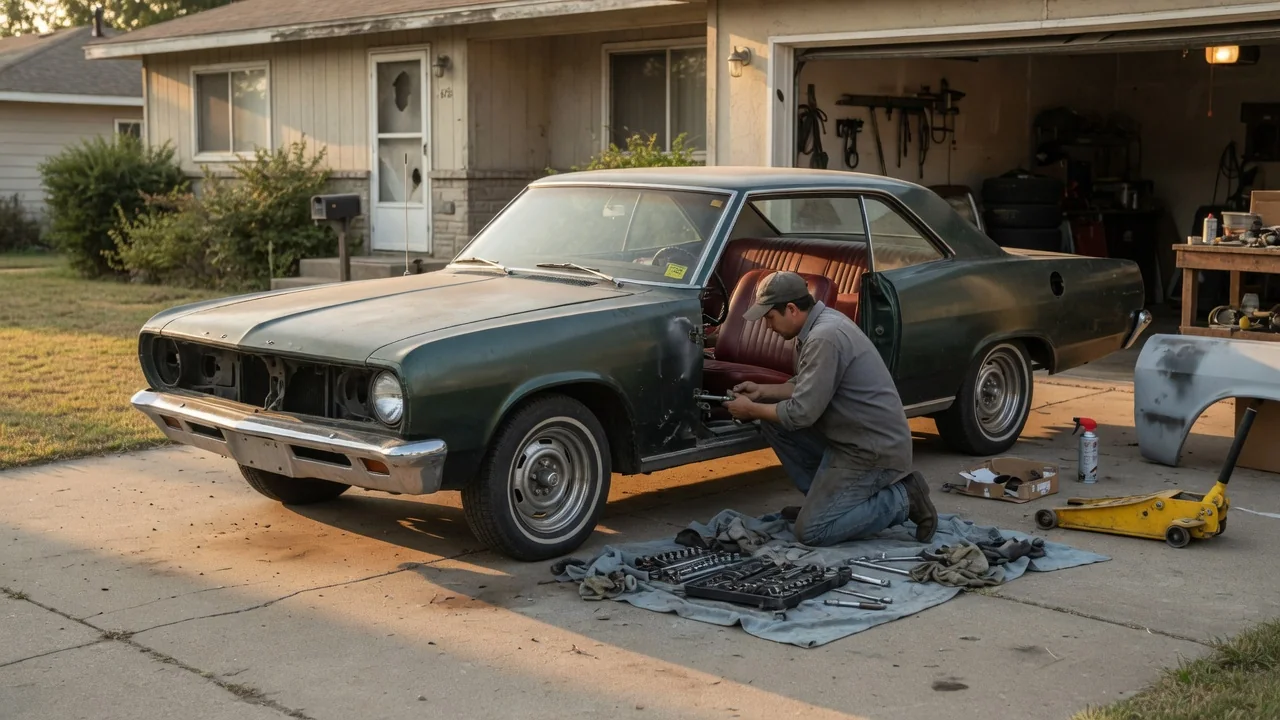
A rolling restoration is an approach to bringing an older car back to good condition while it stays drivable and in use. Instead of stripping the vehicle down completely and rebuilding it over months or years, the owner works through it in planned stages, keeping the car registered, roadworthy, and on the road between projects. For anyone asking what is a rolling restoration, the short answer is that it trades speed and completeness for continued enjoyment and spread-out effort.
Staged work: restoring the car one system at a time
The core idea behind a rolling restoration car project is dividing the vehicle into manageable systems and addressing them in a deliberate order. Typical groupings include brakes, steering and suspension, fuel delivery, cooling, electrical wiring, the engine and drivetrain, and finally body and interior work. Each stage is scoped so the car can be reassembled and driven once that stage is finished, rather than leaving a dozen systems half-apart at the same time. This contrasts with a frame-off or body-off restoration, where nearly everything is disassembled at once and the car is unusable until the entire job is complete.
Order matters. Most planners start with anything that affects safety: brake hydraulics, tires, steering components, suspension bushings and joints, and lighting. Reliability items usually come next, such as fuel lines, hoses, belts, ignition components, and charging system health, because a car that strands its owner is hard to keep in regular use. Cosmetic and comfort work, including paint, upholstery, trim, and interior details, tends to come later. There are sensible exceptions: if rust is spreading in structural areas, addressing corrosion earlier can prevent the damage from growing while other work proceeds.
Staging also means accepting temporary compromises. A car might receive a fully rebuilt brake system while still wearing tired paint, or a refreshed engine while the interior remains original and worn. The goal of each stage is a clean, finished result within its boundary, not a partial job that will need to be redone. Good staging avoids undoing earlier work; for example, completing wiring repairs before installing new carpet or headliner prevents having to pull fresh materials back out later.
Continued use: driving the car between stages
Continued use is what distinguishes a rolling restoration from other approaches. Because the car remains operational, the owner can drive it to events, on weekends, or in some cases daily, depending on its condition and the owner's needs. Driving between stages has practical diagnostic value as well. Road use reveals noises, leaks, handling quirks, and electrical faults that are easy to miss in a garage, and those observations help decide what the next stage should address.
Keeping the car in service also places requirements on every stage. The vehicle has to stay safe and legal to operate, which means registration, insurance, and any inspection rules in the owner's area continue to apply throughout the project. Work windows need to be realistic: a stage expected to take a weekend can stretch out if a part is unavailable or a hidden problem appears, so it is wise to avoid starting a job that cannot be finished or safely reversed in the time available. Regular driving can also help avoid some problems associated with long storage, such as stale fuel and dried-out seals, though it brings ordinary wear in return.
Continued use does not suit every vehicle. A car with severe structural corrosion, a failed frame, or missing major components may not be safe to drive at all, and in that situation a rolling approach may need to begin with a larger initial repair before routine use is possible. Owners should judge roadworthiness honestly rather than keeping a compromised car on the road simply to preserve the rolling format.
Coordination: planning parts, people, and records
A rolling restoration involves many small projects instead of one large one, so coordination becomes a central skill. A written plan listing each stage, its scope, its prerequisites, and its approximate order helps keep the work coherent. Prerequisites are important because systems interact: upgrading charging output may call for wiring checks, and engine work can affect cooling needs. Thinking through these dependencies before starting a stage reduces the chance of redoing completed work.
Parts sourcing is a large part of the coordination effort. Since the car needs to return to service quickly, it makes sense to gather all the components a stage requires before taking anything apart. Availability varies widely by make, model, and age, and for some vehicles reproduction, used, or rebuilt parts may be the only options. The factory service manual or a reliable repair guide for the specific vehicle is the right reference for procedures, torque values, and specifications, since those details differ between models and general advice cannot replace them.
When professional shops are involved, scheduling becomes part of the plan. An owner might handle brakes and routine maintenance at home while booking a machine shop for engine work or a body shop for paint, and each outside job needs to fit around the car's availability. Keeping records ties the process together: notes, receipts, photos taken during disassembly, and a log of what was replaced and when make later stages easier, help track spending, and provide useful history if the car is ever sold.
Practical implications and limits
The main practical benefit of a rolling restoration is that cost and effort are spread over time rather than concentrated into one long period with no usable car. Owners also tend to keep their motivation, since they can enjoy the results of each stage instead of waiting for a distant finish date. Skills grow gradually, and lessons from early stages can inform how later ones are approached. For people with limited garage space, a car that can be driven in and out may be easier to manage than one that occupies a workspace in pieces.
The trade-offs are real. Total elapsed time is often longer, and the car may never reach the uniform, like-new finish associated with a full body-off restoration. Some jobs are difficult to stage: comprehensive paint and bodywork, or structural repairs that require removing the body or drivetrain, often take the car out of service for an extended period regardless of the plan. Repeated disassembly of shared areas can add labor, and wear from regular driving means components restored early in the project may need attention again before the last stage is complete.
Whether this approach fits depends on the car's starting condition, the owner's goals, and how important regular use is. A rolling restoration works best for a vehicle that is fundamentally sound and an owner who values driving it along the way. If the objective is a show-level result, or the car has serious structural problems, a more comprehensive restoration may be the more appropriate plan, and the specific vehicle's documentation should guide the details either way.