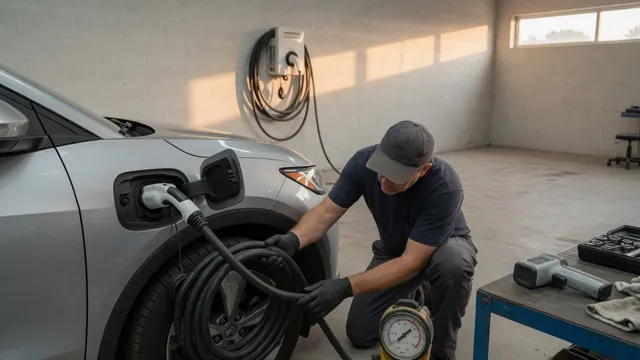
Learn why some EV charge ports are heated: how a port heater manages ice, helps the connector seat and lock properly, and why its energy use stays modest.
Learn what a seat occupancy mat is, how a passenger seat occupancy sensor mat detects occupants, how it controls the passenger airbag, and what service involves.
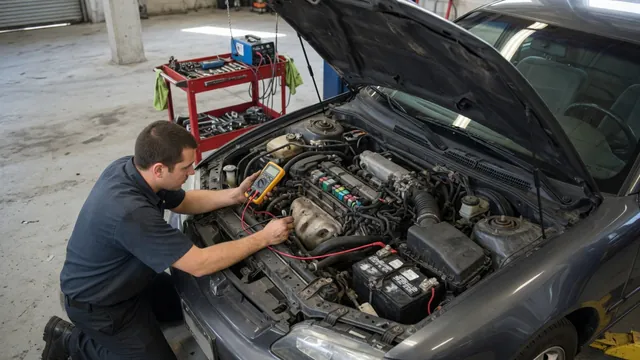
Learn what an automotive voltage drop test is, why the circuit must be loaded, how to locate hidden resistance, and how to take and read the measurement.
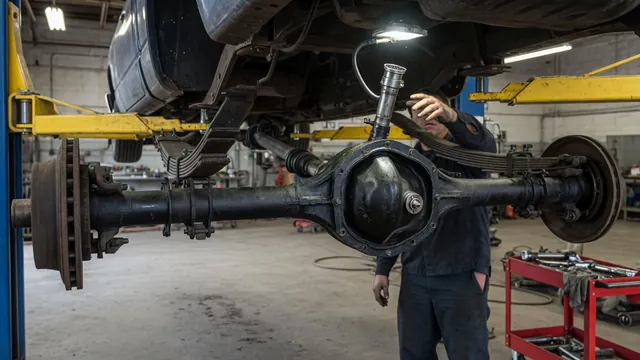
Learn why a differential needs a vent: how heat builds pressure in the axle, how venting protects seals, and what happens when the breather becomes blocked.
Learn how to choose which work to do first on a project car: why safety systems come first, structure next, and cosmetics last in a sensible work order.
Learn why car paint fades unevenly: how sun exposure, paint systems, pigments, and panel materials differ, and what polishing or refinishing can and cannot fix.
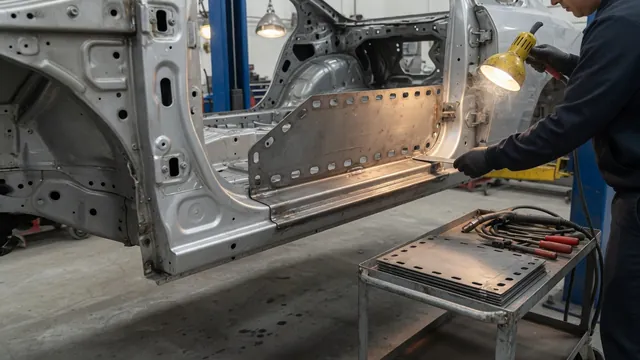
Learn what a car body reinforcement plate does, how it spreads localized loads, how it is welded, bonded or bolted, and what to check when inspecting one.
Learn what an EV charging cable current rating means, how conductor size and heat set the amp limit, and why the cable must match the station and vehicle.
Car seat seams curve because they shape flat panels around contoured foam, control how upholstery stretches, and define the seat's look. Here is how each factor works.
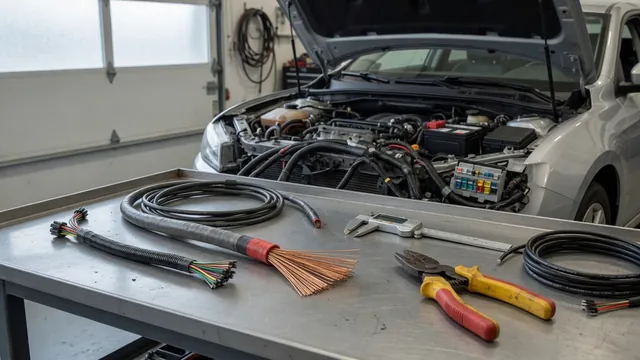
Learn how car wires are sized for different loads using current capacity, voltage drop, and fuse protection, and why gauge, length, and heat all matter.
Recently viewed
Your latest 12 modifications and trims, stored in this browser.
 Electric and hybrid