 Systems
What Is a Battery Hold-Down? Purpose, Vibration, and Inspection
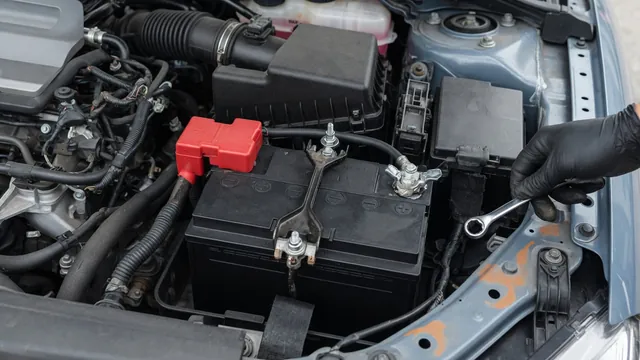
Learn what a car battery hold-down is, how it secures the battery, why vibration control matters for battery life, and how to inspect the hold-down.
Practical automotive articles on maintenance, diagnostics, vehicle systems, buying used cars, tires and electric driving.
Systems
Learn what a car battery hold-down is, how it secures the battery, why vibration control matters for battery life, and how to inspect the hold-down.
 Systems
Learn why brakes need cooling air: how braking creates heat, how brake cooling airflow removes it, and how vehicle design and driving habits manage brake temperature.
 Maintenance
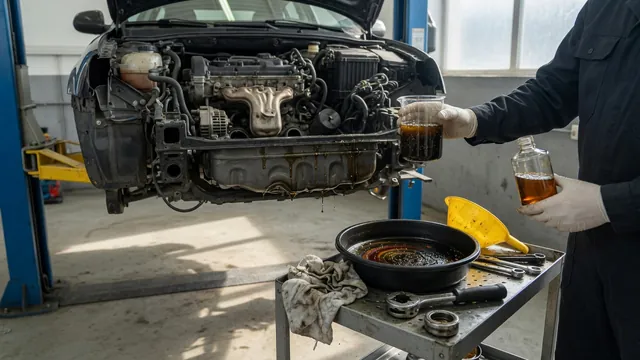
Learn how dirt, metal debris, and soot in dirty oil cause abrasive component wear, and how air and oil filtration help limit the damage.
 Systems
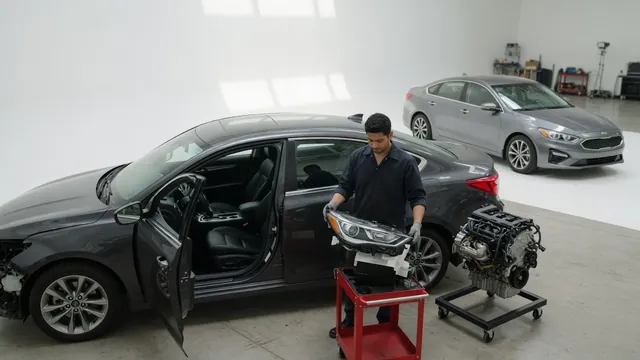
Learn what a vehicle variant is, how body and powertrain differences define it, how variants are named, and why the exact variant matters for parts.
 Electric and hybrid
Learn how regenerative braking energy is measured: power added up over time, why a regenerative energy kWh display rounds values, and how to read trip figures.
 Ownership
Learn what defines a coupe SUV body shape, how the sloping roofline affects cargo space and rear seats, and why the coupe name is used for four-door SUVs.
 Ownership
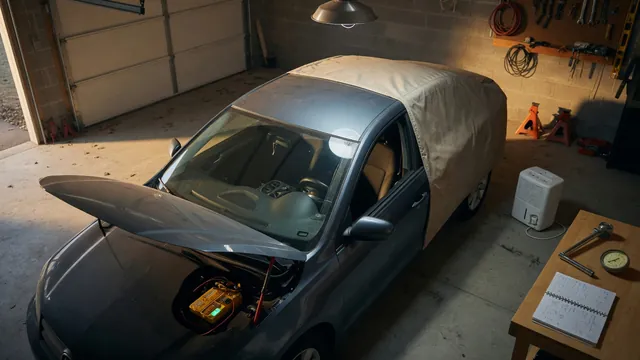
Learn how to keep a car storage condition log that tracks key dates, battery charge, and tire pressure so problems show up early during months of storage.
 Systems
Learn how button size, tactile feedback, and cold or wet weather determine whether car controls stay easy to operate while wearing winter gloves.
 Systems
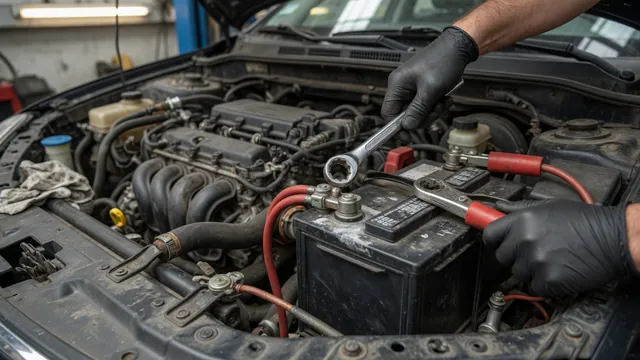
Car battery terminals are made of lead because they are part of the battery's internal current path. Learn why, how corrosion forms, and how to clean them safely.
 Maintenance
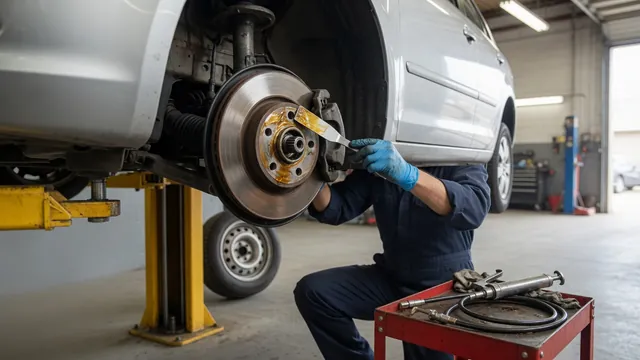
Learn how lubrication reduces mechanical noise in cars by controlling friction contact, damping vibration, protecting surfaces, and where its limits begin.
 Systems
Learn what a trim level on a car means, how trims group standard features, how options and packages build on them, and where a car's trim is documented.
 Systems
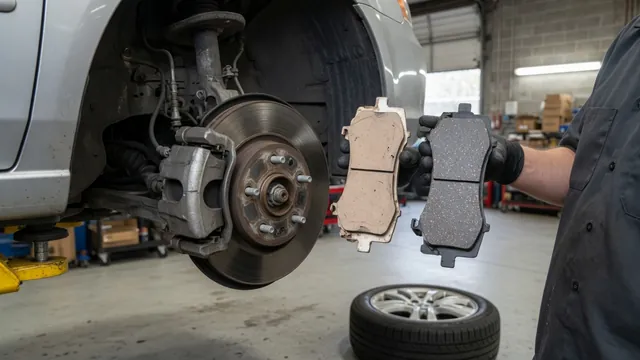
Learn how organic, semi-metallic, and ceramic brake pad materials affect bite, fade, noise, and wear, and what that means for everyday brake pedal feel.
Your latest 12 modifications and trims, stored in this browser.