What Is a Trim Level on a Car? Meaning, Options and Documentation
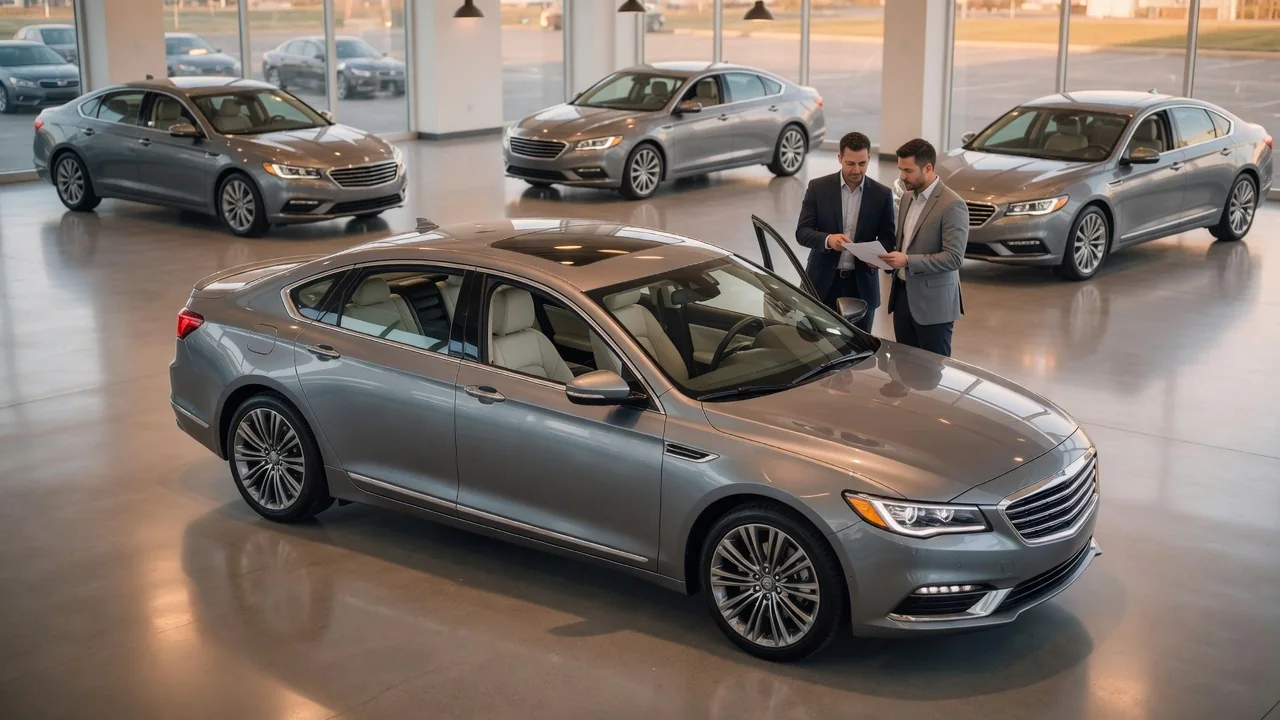
A trim level is a named version of a car model that comes with a predefined set of standard equipment. If you're wondering what a trim level on a car means, the short answer is that it marks one step on the manufacturer's equipment ladder for that model and model year. Knowing how trims group features, how options sit on top of them, and where the trim is recorded helps owners read listings, order parts, and understand their documentation.
Feature grouping
Manufacturers rarely sell a model in just one configuration. Instead, they build a ladder of trims, usually starting with a base version and moving up through mid-level and top-level versions. Each trim bundles a defined set of features as standard. Depending on the model, that bundle can include the available engines and transmissions, the drivetrain layout, wheel and tire size, seat materials, the type of climate control, infotainment and audio hardware, lighting, and driver assistance systems. In many lineups, a higher trim keeps most of the equipment from the trim below it and adds more. That is a common convention rather than a rule, and some trims take a different direction entirely.
Grouping features this way limits the number of combinations a factory has to build, a dealer has to stock, and a buyer has to sort through. It also gives each version a clear place in the model's price range. There is no industry standard for trim names. Some manufacturers use letter or number codes and others use descriptive words. The same name can mean different things across brands, across models from one brand, or across model years of the same model. The only reliable meaning of a trim name is the equipment list the manufacturer attached to it for a given vehicle.
It also helps to separate trim from related terms. The model is the vehicle line itself. The body style describes its shape, such as sedan or hatchback. The generation refers to a major redesign cycle. A trim sits inside those categories. Some trims differ mainly in comfort and appearance. Others are built around mechanical changes such as revised suspension tuning, larger brakes, or a different powertrain, which is why enthusiasts pay close attention to which trim a car actually is.
Options
Options are equipment added on top of what a trim includes as standard. They usually come in two forms. Standalone options are single items, such as a particular paint color, wheel design, or sunroof. Packages bundle several related features under one name, such as a set of cold-weather or technology items. Packages work like trims on a smaller scale: they reduce the number of combinations while letting buyers add the equipment they care about.
Option availability is usually tied to trim. A feature may be optional on a mid-level trim, standard on the top trim, and not offered at all on the base version. This is why two cars wearing the same trim name can be noticeably different: one may have several packages and the other none. It also means a lower trim with many options can overlap with a higher trim in some areas. It may still lack equipment that only the higher trim offers, such as a specific engine or interior hardware that cannot be ordered as an option.
Not every addition comes from the factory. Some items are installed at a port or by the dealer before delivery, and owners may add aftermarket accessories later. Trim content and option offerings also change between model years and can vary by market or region. An accurate description of a car combines its model year, trim, factory options, and any later additions.
Documentation
New cars sold in the United States must carry a window sticker, often called the Monroney label. It lists the model, trim, highlights of the standard equipment, and installed options with their prices. Manufacturers also keep build records tied to each vehicle identification number (VIN), and dealers can often retrieve this build data. The VIN itself encodes information such as the manufacturer, vehicle attributes, model year, and assembly plant. How much of the trim it reveals depends on the manufacturer's coding, so a VIN decoder may report the exact trim, a range of possible trims, or only the series.
Owner's manuals are usually written to cover every trim and option of a model year at once. That is why they include phrases such as "if equipped" and describe controls or systems a particular car may not have. Service information and parts catalogs work the same way, often branching by trim, engine, or option code. Brake components, wheels, suspension parts, lighting assemblies, and electrical modules can differ between versions of the same model. For that reason, parts lookups commonly ask for the VIN rather than the trim name alone.
Exterior badges are the least reliable record. An owner who prefers a clean look may remove them, badges from another trim can be fitted, and originals may not be replaced after body repairs. When trim matters, documents tied to the VIN carry more weight than what is printed on the trunk lid.
Practical implications and limits
Trim level affects several everyday tasks. Valuation guides and insurance quotes typically ask for it because equipment changes a car's value and replacement cost. Used-car listings sometimes state the wrong trim. Checking for the features you want, both in person and against the build record, helps you avoid paying for equipment the car does not have. When ordering parts or planning maintenance, give the VIN to the parts supplier to reduce the chance of receiving a component meant for a different version.
Retrofitting equipment from a higher trim is often harder than it looks. Modern features can depend on wiring harnesses, mounting points, control modules, and software configuration that a lower trim was never built with. A part that bolts on may not work without additional changes. Whether a given upgrade is practical depends on the specific vehicle, so confirm it with the manufacturer's service information or a qualified technician.
Finally, a trim name is a label, not a specification. It does not by itself guarantee a power figure, a feature list, or a level of quality. Comparing trim names across brands says little, because each manufacturer defines its own ladder. Treat the trim as a starting point for understanding a car, then confirm the details that matter in the vehicle's own documentation.