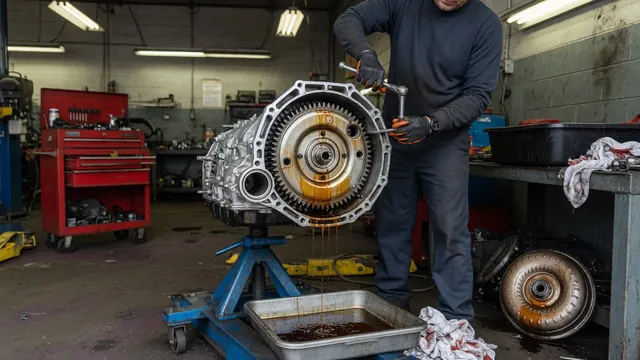
Learn why an automatic transmission pump is essential: it creates hydraulic pressure for shifting, feeds lubrication and cooling, and causes clear symptoms when it weakens.
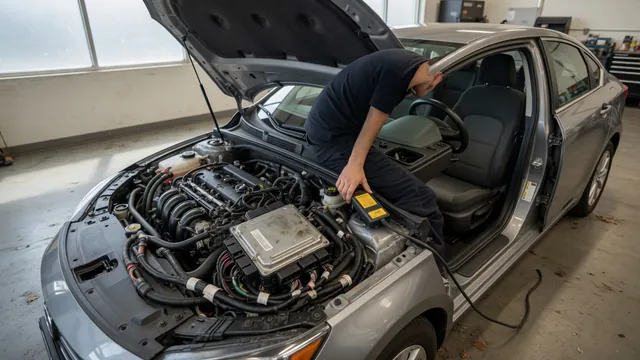
Learn what an ECU message is: how CAN identifiers label data and set priority, how messages reach every module, and how raw bytes become readable values.
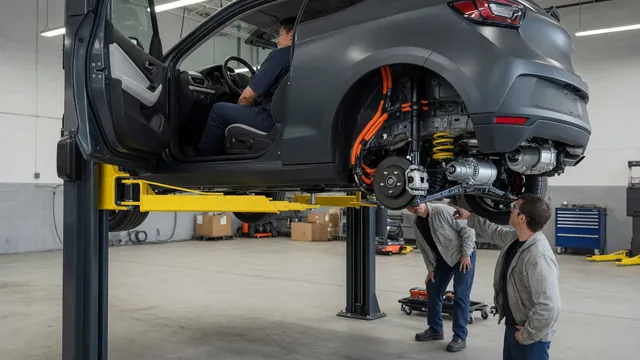
Learn how an electric car reverses: the inverter flips motor rotation, the reduction gearbox needs no reverse gear, and shift-by-wire controls manage the request.
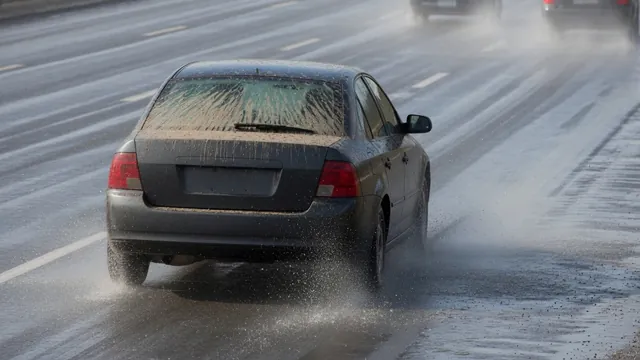
Learn why road spray dirties a rear window faster than the windshield, from wake airflow and tire mist to rear wiper care and the practical limits of each fix.
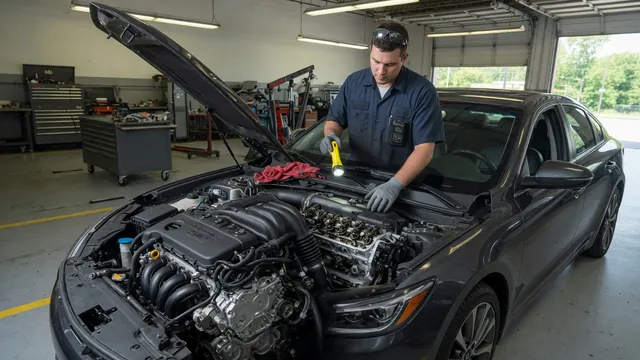
Variable valve lift changes how far engine valves open. Learn how lift profiles differ, how the engine controls them, and what drivers notice on the road.
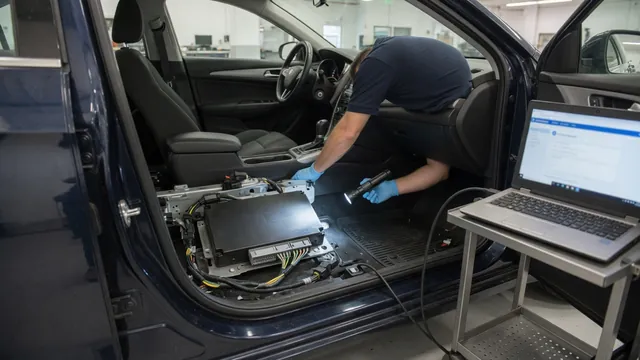
Learn what a vehicle gateway module does: how it bridges in-car data networks, routes diagnostic tool traffic, and filters messages to protect critical systems.
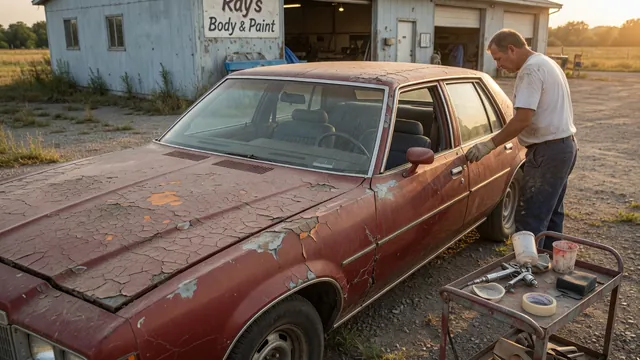
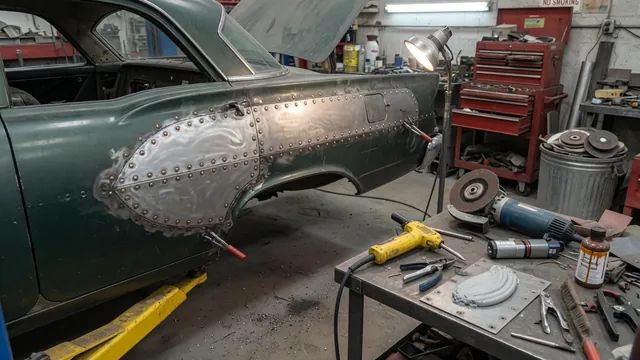
Learn how old body seams on classic cars are repaired: removing seam corrosion, rejoining panels by welding, and sealing the seam so moisture cannot return.
Recently viewed
Your latest 12 modifications and trims, stored in this browser.
 Systems