What Is Tire Siping? How Sipes Affect Grip and Wear
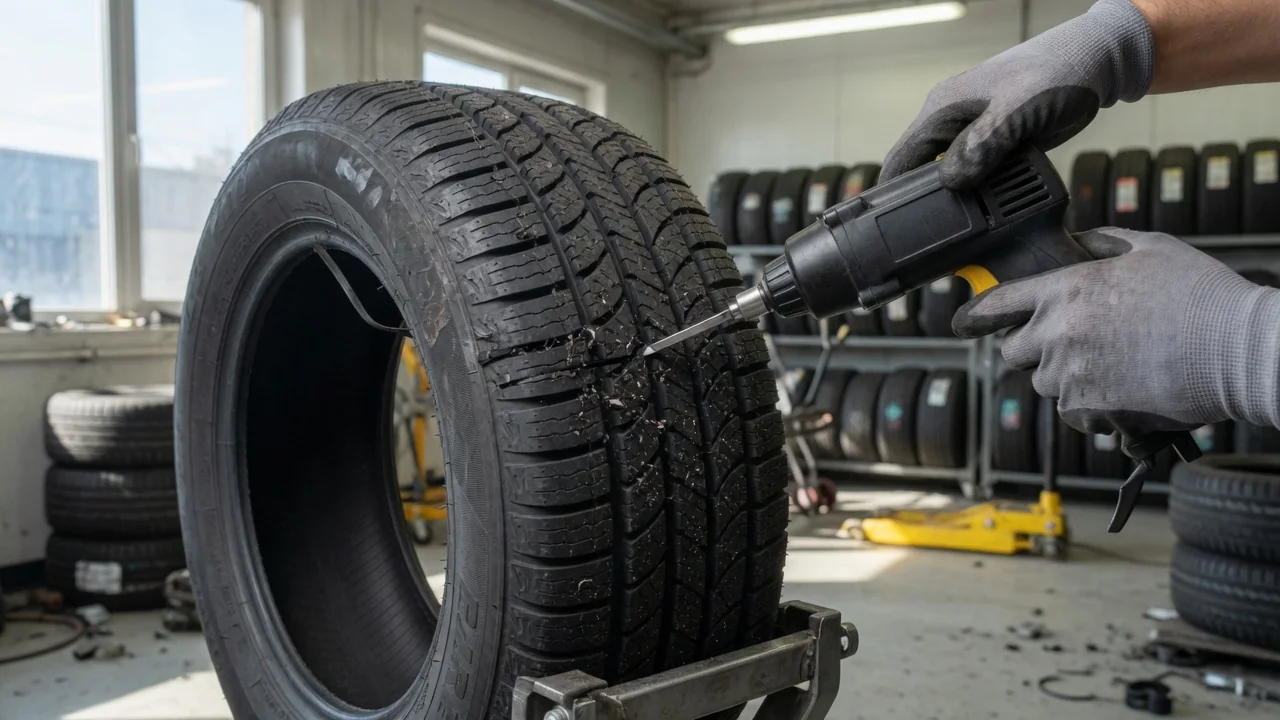
Tire siping is the practice of placing thin slits, called sipes, across the tread blocks of a tire. Unlike the wide grooves that channel water away, sipes are narrow cuts that divide each block into smaller flexible sections with extra edges. Most passenger tires leave the factory with sipes molded into the tread, and the pattern differs by tire type. Knowing the purpose of tire sipes helps explain why winter, all-season and summer tires behave so differently on wet, snowy or icy roads.
Small cuts in the tread: what sipes are
A sipe is a very narrow slit molded into a tread block or rib. A circumferential or lateral groove is an open channel. A sipe is so thin that its walls nearly touch when the tire is at rest. The term is generally traced to John Sipe, who cut slits into rubber shoe soles to keep from slipping on wet floors, and the same principle was later applied to tires. Each cut adds two new edges to the contact patch and lets the surrounding rubber move slightly as the tire rolls.
Sipes come in several shapes. Straight sipes are the simplest. Zigzag or wavy sipes fit more edge length into the same block. Three-dimensional or interlocking sipes have walls shaped so that opposite sides lock against each other under load, which limits how far the block can bend. Depth also varies. Some sipes run only part of the way down the tread, while others extend close to the full tread depth. Most sipes are formed in the tire mold during manufacturing. Aftermarket siping, where a machine cuts additional slits into an existing tire, also exists. It is a modification, not part of the original design.
Wet or winter grip: why tire sipes improve traction
On wet pavement, the grooves do most of the work of clearing water. They move bulk water out of the contact patch and help resist hydroplaning. Sipes work at a smaller scale. As a tread block enters the contact patch, its edges help wipe away the thin film of water that grooves cannot fully remove. This gives the rubber a better chance to touch the road surface directly. The added flexibility also helps each small section of tread conform to the texture of the pavement.
Siping matters most in winter conditions, which is why dedicated winter tires usually carry far denser siping than summer tires. On packed snow, the many edges bite into the surface. The slits can also trap snow, and snow held in the tread tends to grip snow on the road better than bare rubber does. On ice, the problem is often a thin layer of meltwater on top. Numerous edges help break through that layer and provide more points of contact. Siping works together with a soft tread compound designed to stay pliable in the cold. Neither feature alone accounts for a tire's winter performance.
Summer and performance tires typically use few sipes, or none on the outer shoulder blocks. Their priority is stiff, stable tread for steering response and dry grip. All-season tires sit in between, usually with moderate siping as a compromise across conditions.
Wear: how siping affects tread life and handling
Every sipe makes a tread block less stiff. When blocks flex more, they can squirm under acceleration, braking and cornering. That movement can make steering feel softer and less precise, and it can generate additional heat in the tread. Depending on the design and how the tire is used, it can also contribute to faster or less even wear. Heavily siped blocks can be more prone to irregular patterns such as heel-and-toe wear, where one edge of each block wears faster than the other. Tire designers counter this with interlocking sipe shapes, variable sipe depth and block geometry intended to keep stiffness where it is needed.
Siping also changes as the tread wears down. Sipes that do not extend to full depth disappear once the surface reaches their bottom, so the tire loses those edges even though usable tread remains. Full-depth sipes are meant to preserve the effect longer. Even so, as the tread gets shallower, each block can flex less and the remaining slits can hold less snow or water. This is one reason winter traction generally declines noticeably before a tire reaches its legal minimum tread depth.
Practical implications and limits
For drivers, the most useful takeaway is that siping is one design element among many. The number of sipes visible on a tread does not by itself predict how a tire will perform, because compound, groove layout, block shape, tread depth and construction all interact. Comparing tires by sipe count alone can be misleading. How a tire behaves on a given vehicle also depends on the vehicle's weight, suspension setup, inflation pressure and the driving style. Manufacturer ratings and markings give more reliable guidance than visual impressions. One example is the three-peak mountain snowflake symbol, which marks tires that meet a standardized snow traction requirement.
Aftermarket siping deserves caution. Cutting slits into a finished tire alters a structure that was designed and tested without them. The effect on handling, heat buildup and wear depends heavily on the particular tire and how the cuts are made. Some tire manufacturers may treat siping as a modification that affects warranty coverage. Check the warranty terms and consult a qualified tire professional before considering it. Siping also cannot substitute for adequate tread depth on a worn tire.
Routine tire inspection can include the sipes. Look for small stones lodged in the slits, tears starting at the base of a sipe, or blocks wearing unevenly from edge to edge, and have any of these evaluated. Keep tires properly inflated and rotate them according to the vehicle manufacturer's schedule. This helps the tread wear evenly so the sipes keep working as intended for as long as possible. When winter grip is a priority, matching the tire type to the expected conditions matters more than any single tread feature.