What Are Plastic Living Hinges in Car Interiors?
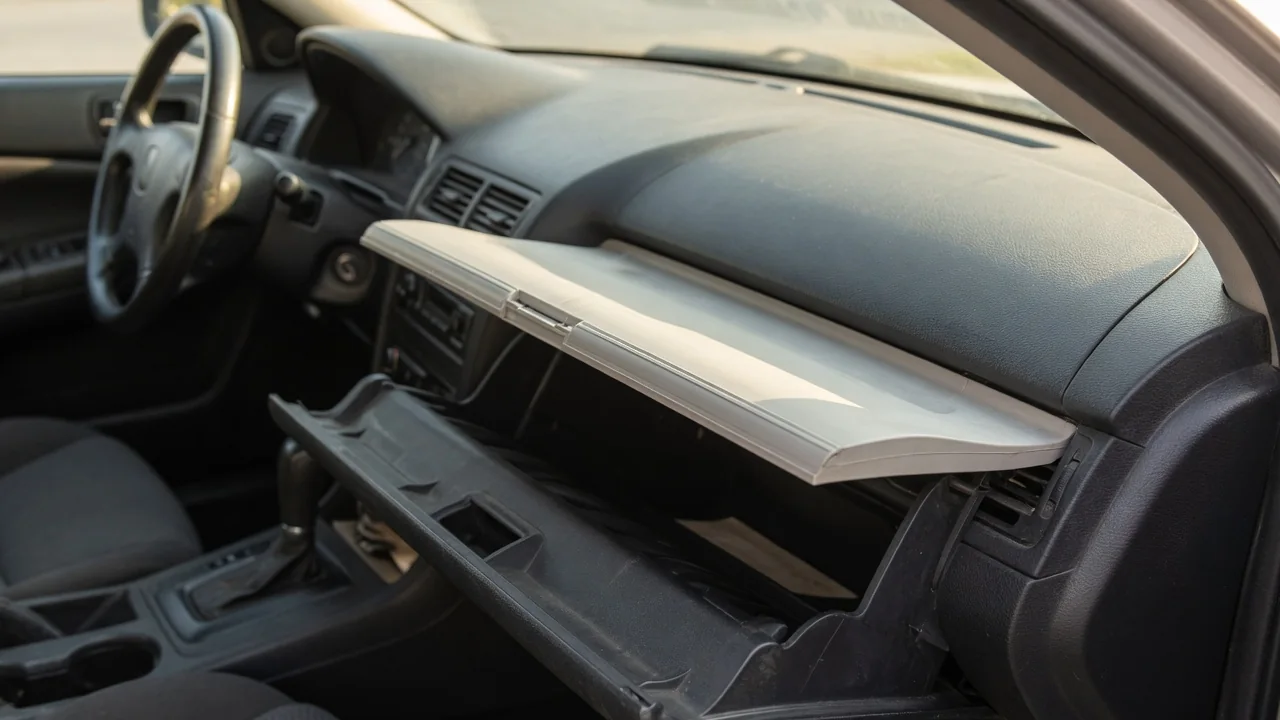
A living hinge is a thin, flexible strip of plastic molded in one piece with the two rigid sections it connects. It lets those sections pivot without pins, springs, or separate hardware. In car interiors, a car plastic living hinge is easy to overlook on small lids, clips, and covers. Knowing how these hinges flex, where they appear, and why they wear helps owners handle interior trim with more care and judge whether a damaged part can realistically be saved.
Flexing design
A living hinge works by concentrating nearly all bending in one narrow zone. The sections on either side are thick enough to stay stiff, while the hinge web is much thinner, so when a cover moves, the deformation happens almost entirely in that web. Because the web is short and thin, the plastic sees only moderate strain even when it folds through a wide angle. Designers usually blend the web into the thicker sections with smooth radii instead of sharp corners, because sharp transitions concentrate stress and give cracks an easy starting point. The hinge is often slightly recessed so the part folds along a clean, predictable line.
Material choice is just as important as shape. Polypropylene is the classic living hinge material because it tolerates repeated flexing unusually well, and some grades of polyethylene behave in a similar way. Many stiffer plastics common in interiors, such as ABS or polycarbonate blends, are poorly suited to thin flexing sections and tend to crack quickly when bent repeatedly. For that reason, a part designed around an integral hinge is generally molded from a material selected specifically for flex life.
Manufacturing also shapes how well the hinge performs. During injection molding, molten plastic squeezing through the narrow hinge gap tends to align its polymer chains across the hinge, which strengthens it in the direction it will bend. Designers therefore place the injection gate so material flows across the hinge rather than along it, and they try to keep weld lines, where two flow fronts meet, out of the hinge area. Some processes also flex the hinge shortly after molding while the plastic is still warm. The practical result is that a hinge's durability is largely set at the factory.
Uses
Living hinges suit interior parts that open, close, or snap shut but carry little load. Typical examples include small storage compartment lids, coin trays, flip-up covers over fuse panels, access hatches in trim panels, and clamshell-style clips or conduits that close around wiring harnesses. Many trim retaining clips also rely on thin flexing sections, although those may flex only a few times during installation and removal rather than daily. Which parts use a living hinge varies by vehicle and sometimes by trim level, so it cannot be assumed for a particular part without inspecting it or checking the relevant parts catalog.
Manufacturers use living hinges because molding the pivot into the part removes separate pins, springs, and assembly steps. That reduces part count and weight and eliminates metal pieces that could corrode, squeak, or rattle. The hinge can also be hidden on the inside face for a clean appearance. The trade-off is that it cannot be serviced on its own: if the hinge fails, the fix usually involves the whole molded piece. This is one reason integral hinges tend to appear on light, inexpensive covers, while heavier lids commonly use separate pivots, dampers, or metal hinges.
Wear
A well-designed hinge in a suitable material can survive a very large number of cycles, but it is not immune to fatigue. Each flex strains the web, and microscopic damage can gradually accumulate, especially at the ends of the hinge line and where the web meets the thicker sections. Early signs often include stress whitening, a pale or cloudy line along the fold, followed by small cracks at one edge. Once a crack starts, the remaining width carries more of the load, so the tear tends to spread faster.
Cabin conditions add to mechanical wear. Sustained heat from sun exposure can age plastics and make them more brittle over the years, and UV light through glass can degrade parts near windows. Cold matters too: polypropylene becomes noticeably stiffer and less impact resistant at low temperatures, so snapping a cover open hard on a freezing morning carries more risk than the same motion in mild weather. Some cleaners, solvents, or dressings may also affect certain plastics, depending on their chemistry.
Many failures come from loads the hinge was never meant to carry: forcing a lid past its normal stop, using a cover as a handle, resting weight on an open flap, or prying a trim panel from the hinge side during removal. Twisting is especially harmful, because a living hinge is designed to bend along one axis, not to rotate or stretch.
Practical implications and limits
In daily use, the goal is simply to keep the hinge within the motion it was designed for. Guide hinged covers through their natural arc and let them rest on their stops instead of pushing beyond them, and be gentler in cold weather. Before removing interior trim, check the service information for the specific vehicle to locate clips and release directions, and use non-marring plastic trim tools. If whitening appears along a fold, treat that part with extra care and consider sourcing a replacement before it breaks completely.
Repairing a broken living hinge is difficult. Polypropylene and polyethylene are low surface energy plastics that many common adhesives bond to poorly, and even when glue holds, a rigid adhesive layer usually stops the joint from flexing, turning the hinge into a fixed seam. Plastic welding can rejoin polypropylene, but recreating a thin, oriented, flexible web by hand is generally not realistic. Practical choices often come down to replacing the part, fitting a small separate hinge where space and appearance allow, or accepting a cover that no longer opens. Molded material codes such as >PP< on the back of many parts can help identify the plastic before choosing an approach.
General explanations also have limits. Hinge geometry, material grade, and expected life vary by manufacturer, supplier, and part, so there is no reliable way to predict how long a particular hinge will last. Whether a cover is sold separately or only with its surrounding panel is vehicle-specific and best confirmed through a parts catalog or dealer. Improvised repairs should be avoided on any trim near airbags or other safety components; follow the vehicle's service manual for those areas.