 Systems
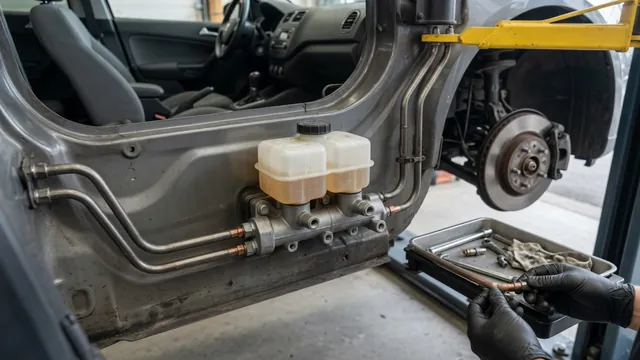
Why Do Brake Systems Have Two Hydraulic Circuits?
Learn why brake systems use two hydraulic circuits, how dual circuit brakes keep a car stopping after a leak, how pedal feel changes, and what it means for service.
Practical automotive articles on maintenance, diagnostics, vehicle systems, buying used cars, tires and electric driving.
Systems
Learn why brake systems use two hydraulic circuits, how dual circuit brakes keep a car stopping after a leak, how pedal feel changes, and what it means for service.
 Systems
Learn what a car facelift means, which exterior and interior changes it usually brings, and why a facelifted model stays in the same generation.
 Systems
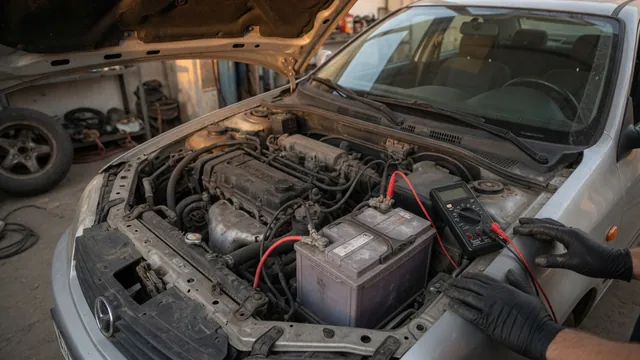
Learn why a car battery loses capacity as it ages: the chemical changes inside, how heat speeds them up, and how testing reveals the loss before a no-start.
 Ownership
Learn what a chassis-cab vehicle is, how its open frame serves as an upfit platform, what the cab provides, and where these trucks are commonly put to work.
 Maintenance
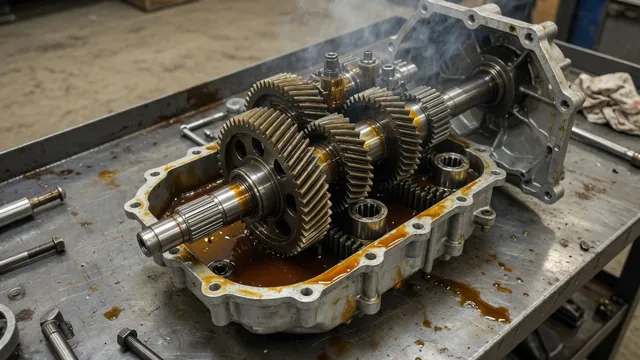
Learn how gear teeth stay lubricated: how oil splash reaches the mesh, how film strength and additives prevent metal contact, and how heat affects gear oil.
 Systems
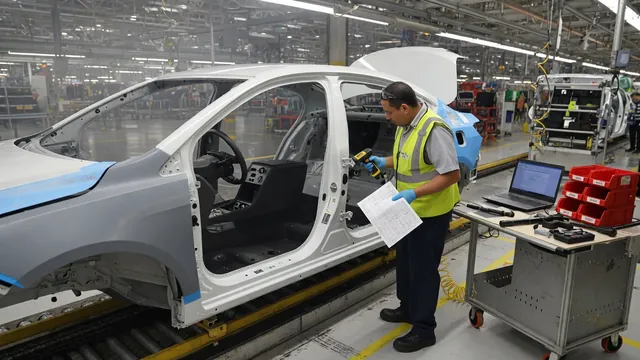
Learn what a car production traceability record is, how it links part batches and assembly stations to a VIN, and why it matters for recalls and service.
 Systems
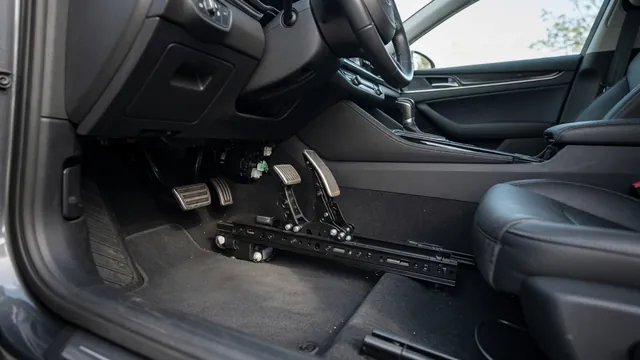
Learn why some cars have adjustable pedals and how they improve foot reach, seat position, and overall driver fit for people of different sizes.
 Electric and hybrid
Motor drag in an EV is the braking torque the electric motor creates when it acts as a generator. Learn how it shapes coasting, energy recovery, and drag control.
 Systems
How car interior fabrics are bonded to foam by flame or adhesive lamination, and how that bond affects seat comfort, wear and repair options.
 Ownership
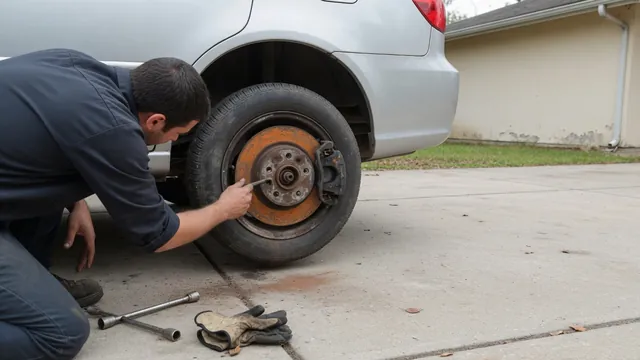
Learn why brakes can stick after long parking or seasonal storage, from surface rust on rotors to a seized parking brake, and what to inspect before driving.
 Systems
Learn what a factory option means on a car: how options are configured at the plant, where they are documented, and why they matter for parts and service.
 Systems
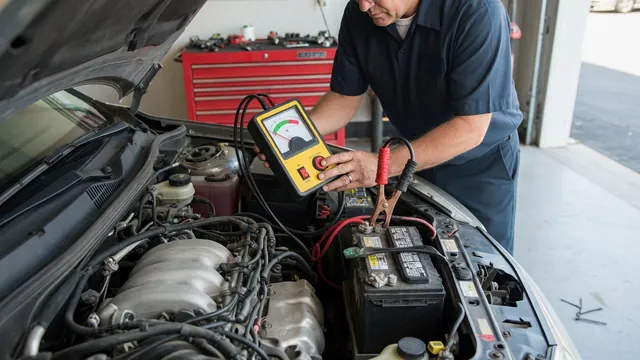
A battery load test draws heavy current from a car battery while watching its voltage. Learn how the test works, what the voltage response means, and its limits.
Your latest 12 modifications and trims, stored in this browser.