What Is a Facelift in a Car Model? Meaning, Changes and Generations
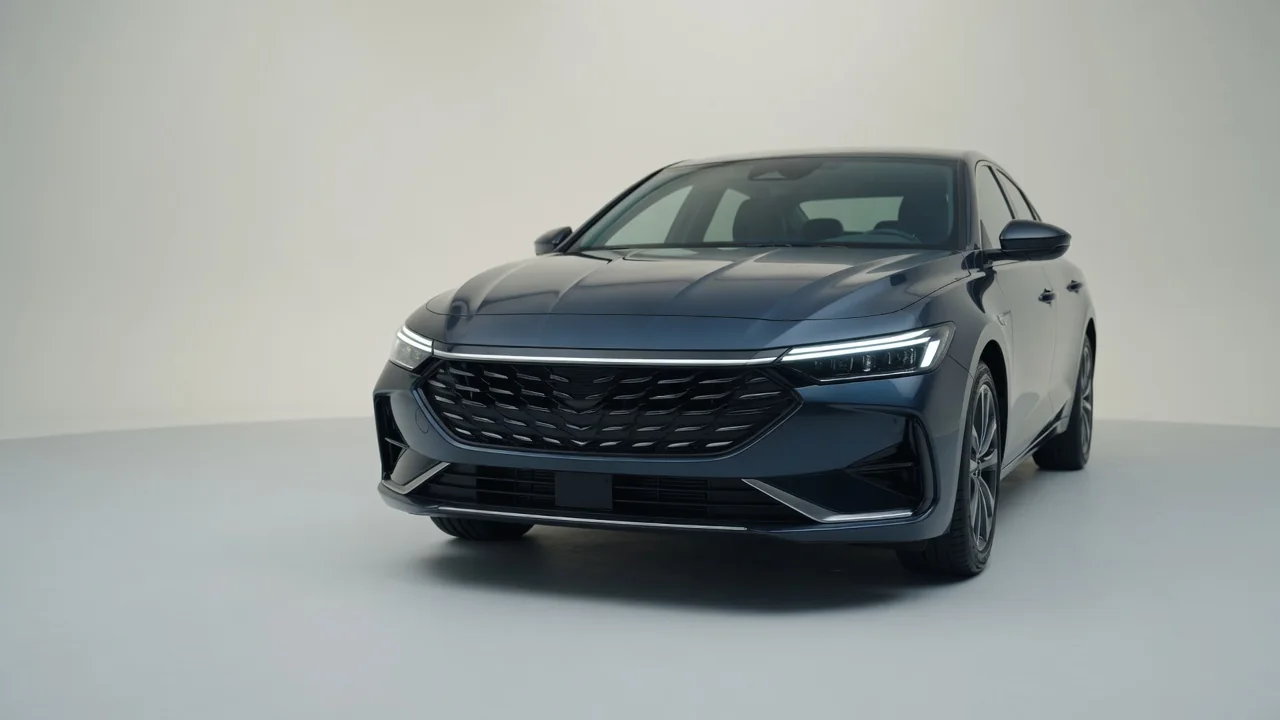
A facelift is a mid-cycle update to an existing car model. The automaker refreshes how the vehicle looks and feels but keeps its underlying structure, so the car stays part of the same generation. In short, a car facelift is a visible but moderate revision that keeps a model competitive until a full redesign arrives. This guide explains what usually changes outside and inside, and why a facelifted car still counts as the same generation.
Exterior updates
The front end is usually the easiest place to spot a facelift. Automakers often revise the grille, front bumper, headlights, and lower air intakes, because these parts can be changed without reengineering the car's structure. Bumper covers are typically molded plastic, and headlight assemblies are self-contained units that bolt to the body. A new design for either can change the car's character noticeably. Many facelifts update the lighting itself, for example with new daytime running light graphics or a different headlamp technology. Exactly which features change depends on the manufacturer and the model.
The rear often gets similar treatment: redesigned taillights, a reshaped rear bumper, new trim pieces, and updated badging. New wheel designs and revised paint colors commonly arrive with a facelift as well. A tailgate or trunk lid is sometimes reshaped, but deeper changes are uncommon. The roofline, doors, windows, and overall proportions normally stay the same because they belong to the body structure. Changing those stamped steel or aluminum panels requires expensive new tooling, and that cost approaches the cost of a new generation.
The usual way to identify a facelift from the outside is to compare the two versions side by side. If the front and rear look different but the side profile, door shapes, and glass are identical, you are almost certainly looking at a pre-facelift and a post-facelift version of the same car. Smaller details, such as mirror housings, side trim, or exhaust outlet styling, may also differ, depending on how extensive the update is.
Interior changes
Inside the cabin, facelifts usually concentrate on technology and perceived quality. Common updates include a larger or redesigned infotainment screen, new software, a digital instrument cluster replacing analog gauges, added smartphone connectivity, and more USB or charging points. Electronics move faster than body engineering, and a model can feel dated within a few years. Mid-cycle interior updates are one way automakers keep the cabin current without redesigning the whole car.
Materials and design details are also frequent targets. A facelift may introduce new upholstery, different trim inlays, a revised steering wheel, a redesigned center console, or a new gear selector. Climate controls are sometimes moved onto a touchscreen or back to physical buttons. The basic dashboard architecture, seating positions, and cabin dimensions generally stay the same because they are tied to the body and structure underneath. The scale of interior change varies widely. Some facelifts bring only new trim colors, while others replace most of what the driver sees and touches.
Driver assistance and safety features are often expanded during a facelift as well. Cameras, radar sensors, and software can be added or improved without restructuring the vehicle, so a refreshed model may gain features or make previously optional equipment standard. Which systems change, and in which markets, is specific to each model and should be confirmed in its documentation.
Same generation
A car generation is defined by its platform, body structure, and core engineering. A new generation arrives when the automaker replaces that foundation, which usually means new dimensions, a new body, and often new underpinnings. A facelift happens within a generation, commonly partway through its production run. That is why the industry also calls it a mid-cycle refresh, a mid-cycle update, or a minor model change. Enthusiasts and parts catalogs often use the labels pre-facelift and post-facelift, and some communities use phase numbering to tell the versions apart.
Because the foundation carries over, a facelifted car shares much of its engineering with the earlier version. Its chassis, many suspension components, and much of the wiring architecture often remain the same or closely related. A facelift can still include mechanical revisions, such as updated engines, transmissions, or suspension tuning, but this is not guaranteed and varies from one update to the next. A manufacturer's internal model code may stay the same through a facelift or receive a revised designation, depending on the company.
The line between a facelift and a new generation is not always sharp. Some refreshes are so extensive that marketing presents the car as all-new, and some new generations look very much like their predecessors. Styling alone can mislead in both directions. A more reliable test is whether the body structure, doors, glass, and key dimensions carried over. If they did, the change is generally treated as a facelift within the same generation.
Practical implications and limits
For buyers of used cars, the main practical point is that model year alone does not always tell you which version you are looking at. Facelifts can be introduced partway through a model year, and they may arrive at different times in different markets. Production date, VIN decoding, and the documentation supplied with the vehicle are more dependable ways to confirm whether a specific car is pre-facelift or post-facelift. This matters if you want particular equipment that only one version offers.
For maintenance and repair, the distinction affects parts selection. Lights, bumpers, grilles, trim pieces, infotainment components, and some electrical connectors may differ between versions even though the car is the same generation. Ordering parts by VIN or production date reduces the risk of buying something that does not fit. Owner's manuals and repair guides may cover both versions with separate notes or be issued separately, so check which edition applies. Some owners retrofit facelift lighting or interior parts to earlier cars. That can require different mounting points, wiring changes, or software coding, and it is not always practical.
Finally, keep the term in perspective. Facelift is industry and enthusiast shorthand, not a formal standard with fixed rules, and manufacturers decide for themselves how much to change and what to call it. A facelift does not automatically mean a vehicle's known problems were addressed or that reliability improved. It also does not mean every component was updated. Treat a facelift as a signal to check details rather than a guarantee of specific improvements, and rely on each model's own documentation for what actually changed.