What a car facelift means
A facelift car meaning refers to a mid-cycle refresh that updates an existing model without replacing its underlying structure. Automakers revise the front and rear styling, lighting, trim, and sometimes interior technology while keeping the platform and most mechanical systems intact. This helps a vehicle remain competitive during its production period until the next full model generation arrives. For buyers, recognizing a facelift clarifies whether a car has genuinely changed or simply received cosmetic accessories.
Essential answer
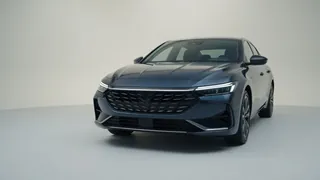
In automotive terms, a facelift is a planned visual and equipment update introduced partway through a model generation. The body shell, crash structure, and many mechanical systems carry over, but the front bumper, grille, headlights, wheels, and rear lighting may change enough to make the refreshed car look newer at market introduction. Interior revisions often include updated trim materials, a revised dashboard screen, or new driver assistance features that were not available when the generation first launched.
The distinction matters because a facelift is not a new generation or a different powertrain layout. It is an update to an existing platform and factory specification, usually intended to sustain interest until the next full redesign arrives. A car described as facelifted may therefore share most parts with earlier examples of the same body style, but it can command more attention because its visual identity and available content align more closely with newer competitors.
How it works
Automakers use a facelift to address feedback gathered early in a model generation. Styling departments revise the most recognizable exterior panels, especially the face of the car, while engineers may adjust suspension tuning, sound insulation, or infotainment software. Because the basic hard points and production tooling remain, the changes can be introduced efficiently without retooling an entire assembly line or revalidating every crash and emissions system.
The practical effect for an owner or buyer is familiarity with a fresher appearance. Controls and driving behavior typically remain close to the pre-facelift version, though small changes can improve comfort or perceived quality. The updated look also helps a model stay relevant against rivals that are newer or have already received their own refreshes. This is why the facelift is treated as a product strategy step inside a longer design development cycle.
Strengths, limitations and suitability
The strength of a facelift is that it delivers visible novelty while preserving proven engineering. Buyers may get improved lighting performance, a more contemporary screen interface, or redesigned wheel options without the risk associated with an entirely new platform. Dealers also benefit because a refreshed model can reduce the need for heavy incentives that often accompany an aging design approaching the end of its cycle.
The limitation is that major packaging, interior space, and fundamental driving character usually remain unchanged. If a car had a tight rear seat, a noisy cabin, or an awkward control layout before the update, a facelift alone will not transform those traits. Shoppers who prioritize the latest architecture or a redesigned powertrain may prefer to wait for the next model generation, while those wanting a more polished version of a known vehicle often find the refreshed version suits them well.
Procedure
When comparing facelifted and pre-facelift examples, first identify the model generation and production years. Look at the grille shape, headlight design, bumper contours, and wheel styles, but confirm that the vehicle has not simply been fitted with aftermarket accessories. A genuine facelift is a factory update, so changes should appear consistently across examples sold within the updated period and should be reflected in the manufacturer's specifications for that year.
Check the vehicle's equipment rather than relying on photos alone. A refreshed model may carry a different trim name, a larger display, or newly standard safety features. Review the factory specification for the exact production period and compare the VIN or build data if precise identification matters. This helps avoid paying facelift-version money for an older car that only wears similar wheels or replacement lights.
Diagnosing a problem
A common confusion is mistaking a special edition or accessory package for a facelift. Special editions often add stripes, badges, wheels, or interior colors without changing the fundamental exterior design. If the headlights, grille, and bumper shapes match the original generation exactly, the vehicle is probably not a true facelift but rather a cosmetic trim package based on the established design.
Another issue arises when a single updated panel is replaced after collision repair. A later grille or headlight fitted to an earlier car can make it look refreshed, but the rest of the body may still belong to the previous version. Comparing both ends of the vehicle, the dashboard layout, and the option content against manufacturer descriptions for each production period helps distinguish a genuine facelift from a mixed or repaired example.