Diesel Fuel in the Oil Pan: What It Means and What to Do
The short answer
Diesel fuel in the oil pan, usually called fuel dilution, means fuel is getting past its intended path and mixing with the engine oil. A small amount can occur in normal operation on some diesel engines, but a rising oil level, thin oil or a noticeable fuel smell on the dipstick is a warning sign. Diluted oil loses viscosity (its thickness and ability to hold a protective film between moving parts), which can increase wear. The right response depends on how much fuel is present and why it is getting there, so the cause needs to be identified rather than simply topping up or ignoring the oil level.
How serious it is varies by engine design, fuel system, emissions equipment and driving pattern. What is tolerable on one engine may indicate a fault on another, so the manufacturer's guidance for the specific model, model year and powertrain takes priority over general rules.
Common ways diesel reaches the oil
Diesel particulate filter (DPF) regeneration: on many modern diesels, extra fuel is injected late in the combustion cycle to raise exhaust temperatures and burn off soot. Some of that fuel can wash past the piston rings into the crankcase, especially if regenerations are frequent or repeatedly interrupted. Short trips and frequent interrupted regenerations: driving that never lets a regeneration finish can cause repeated late injection without the sustained running that helps lighter fuel fractions evaporate from the oil. Leaking or sticking injectors: an injector that drips or does not seal can allow fuel into the cylinder or, on some designs, directly toward the crankcase. Injection pump or fuel system seal failures: on engines where the pump is lubricated by or mounted against engine oil, an internal seal failure can let fuel pass into the oil. Worn piston rings or cylinder bores: poor sealing lets more unburned fuel blow past into the crankcase. Cold running and extended idling: incomplete combustion at low temperatures can increase the amount of fuel reaching the cylinder walls.
Which of these is most likely depends heavily on the engine. Late post-injection for DPF regeneration applies to engines equipped with that strategy, while pump-related dilution only applies to fuel system layouts where the pump interfaces with engine oil. Model-specific failure patterns were not supplied for this article, so no particular vehicle is singled out here.
Why it matters
Diesel is a much thinner liquid than engine oil, so mixing the two lowers viscosity. Thinner oil may not maintain adequate film strength in bearings, on cylinder walls or in the turbocharger, which can accelerate wear. Fuel can also dilute the oil's additive package, reducing its protective and cleaning capacity.
A significant rise in oil level is a separate concern. An overfilled crankcase can cause oil to be churned or pushed into the intake through the crankcase ventilation system. In diesel engines, oil entering the intake can in severe cases act as unintended fuel and contribute to engine runaway, where the engine accelerates beyond normal control. This is an extreme outcome rather than a typical one, but it is one reason a steadily rising oil level should not be ignored.
How to tell if it is happening
The oil level on the dipstick rises between changes instead of staying level or dropping slightly. The oil smells of diesel. The oil looks or feels noticeably thinner than fresh oil of the same grade. The vehicle reports frequent DPF regenerations or regeneration warnings, on models that display them. A used oil analysis from a laboratory reports fuel content above the lab's or manufacturer's limit.
Smell and feel are only rough indicators. A used oil analysis is the more reliable way to confirm and quantify dilution, and it can also flag wear metals that suggest whether damage has already begun. Specific acceptable dilution percentages vary by laboratory, oil type and manufacturer, and were not provided in the evidence for this article, so no threshold figure is given here.
What to do next
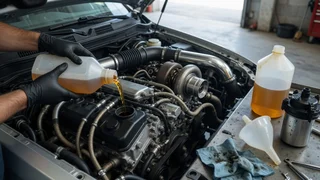
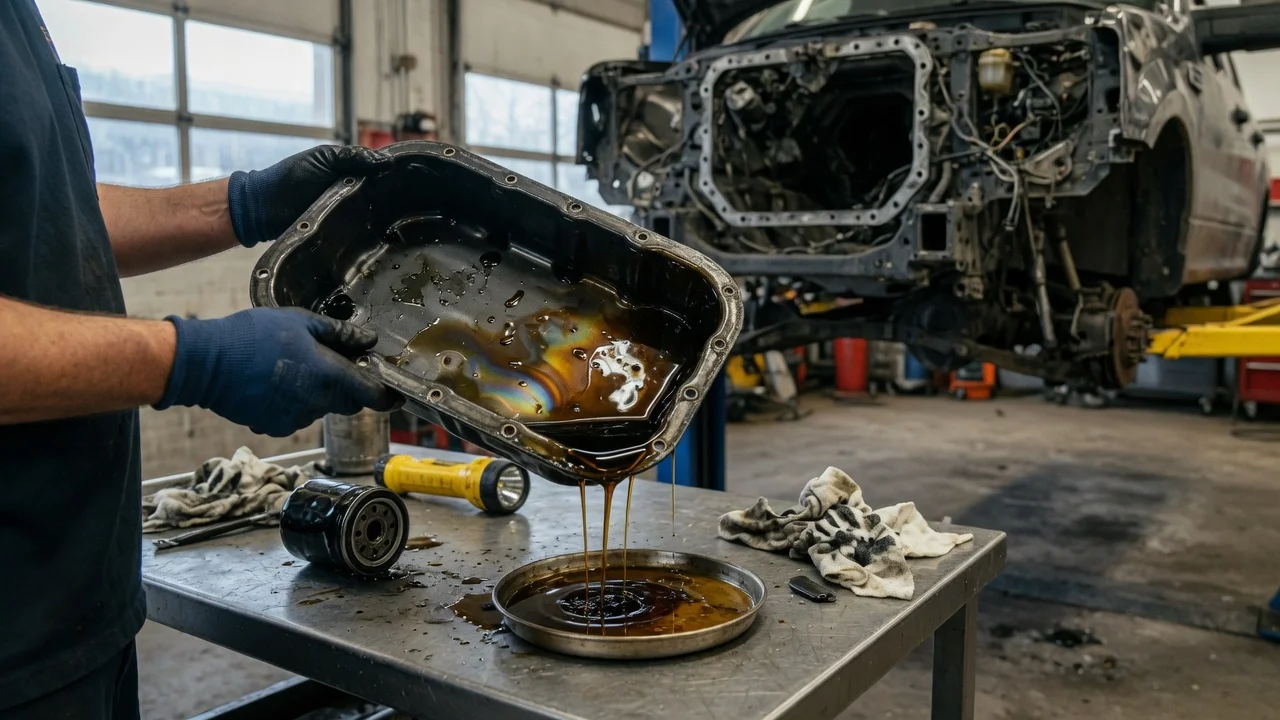
Check the oil level on level ground with the engine cold or as the manual specifies, and note whether it is above the maximum mark. If the level is well above maximum, avoid hard or extended driving until the cause is assessed. Change the oil and filter if dilution is suspected, using the grade and specification in the owner's manual. Have the cause diagnosed, including injector leak-off or balance testing and a review of DPF regeneration history where applicable. Consider an oil analysis to confirm fuel content and monitor the result at the next change. If short trips are the likely cause, follow the manufacturer's advice on allowing regenerations to complete, which often involves periodic longer drives at steady speed.
Limits of this guide
This article covers the general mechanisms and warning signs of diesel fuel dilution. It does not include model-specific dilution limits, service bulletins or test data, because none were supplied. For a particular vehicle, the owner's manual, a dealer or a qualified diesel technician, and a laboratory oil analysis are the best sources for deciding whether the level of dilution is acceptable and what repair, if any, is required.