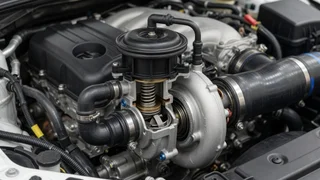
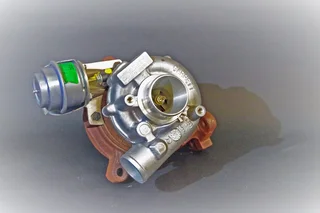
Cars with both a supercharger and a turbocharger
The search for a car with supercharger and turbocharger usually points to a specific factory technique called twin-charging, where one engine uses both forced-induction devices to broaden its powerband. A supercharger responds quickly from low rpm, while a turbocharger recovers exhaust energy to build boost pressure higher in the rev range. The arrangement appears mainly on select performance and high-efficiency small-displacement engines rather than mainstream models. Understanding why a car with both supercharger and turbocharger exists helps explain how automakers chase immediate throttle response, stronger midrange torque, and reduced turbo lag in one package.
Essential answer
A supercharger and turbocharger in one car work together because each device covers the other’s weakness. The belt- or gear-driven supercharger begins compressing intake air almost immediately, improving acceleration before the exhaust-driven turbocharger reaches its efficient operating speed. Once exhaust flow increases, the turbo takes over the main work while the supercharger may be bypassed or clutched off. This staged handoff produces a wider, more usable torque curve than either system alone, but it also adds plumbing, control complexity, and underhood packaging challenges.
The turbocharger vs supercharger car comparison usually treats the two as alternatives, yet twin-charging makes them complementary stages in one induction path. On a typical setup, the supercharger feeds or receives air relative to the turbo depending on low- and high-rpm airflow priorities, with bypass valves managing pressure loss and surge. Charge-air temperature rises after each compression stage, so effective intercooling becomes central to consistent output. Because a fault code or boost irregularity can stem from either device, a diagnosis must follow the actual pressure and temperature readings rather than assuming a failed component.