Why Are Car Bodies Painted Before Interior Assembly?
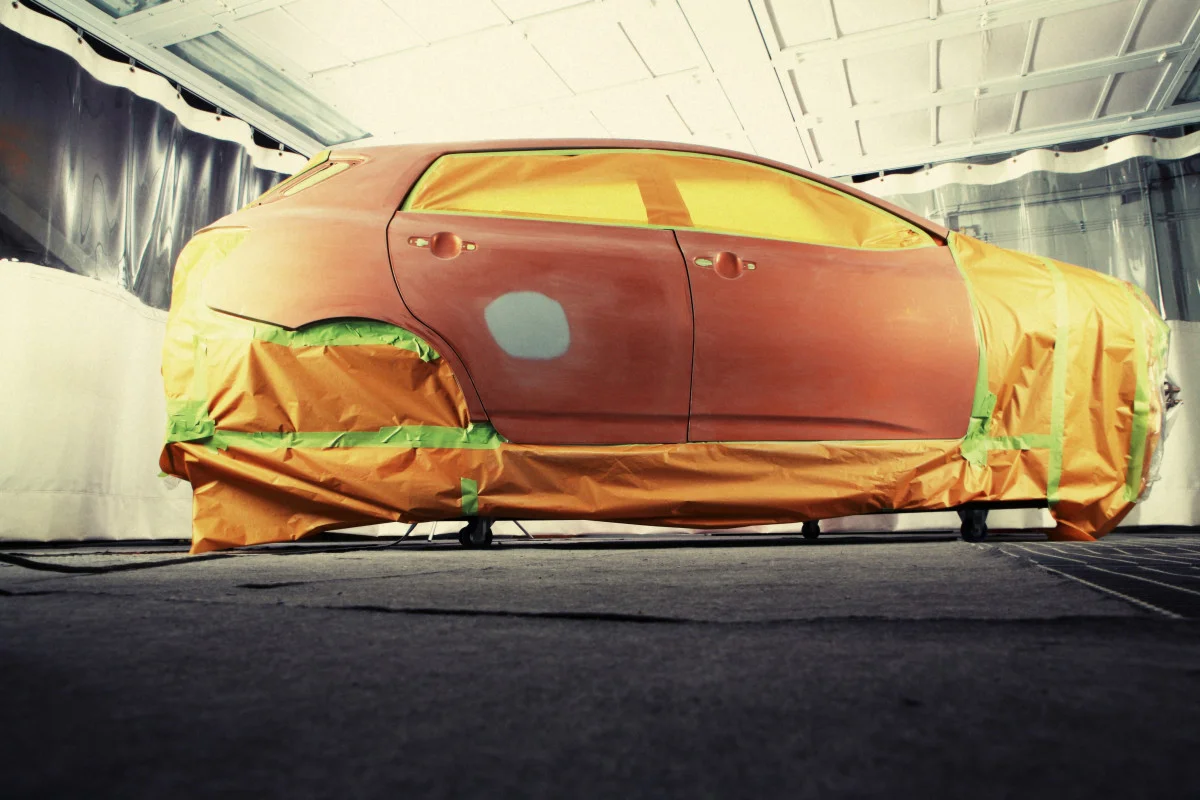
The reason car bodies are painted before interior assembly comes down to heat, chemistry, and access. A bare metal shell can be dipped, sprayed, and baked in ways that seats, wiring, and plastic trim could never survive. Understanding this production sequence explains much about how a finished vehicle resists corrosion and why certain hidden surfaces look the way they do.
Body shell
Before any color is applied, the vehicle exists as a welded structure that factories often call the body in white. It consists of the floor pan, pillars, roof, and inner panels joined by spot welds, adhesives, and sometimes rivets, with no glass, upholstery, or electronics installed. At this stage every cavity, seam, and flange is open, which lets cleaning fluids and coatings flow through rocker panels, frame rails, and door apertures that will later be sealed behind trim.
That openness is the main reason the sequence matters. Robots and operators can reach the inside of the cabin floor, the trunk well, and the engine bay without working around a dashboard or carpet. Doors, hood, and trunk lid are commonly fitted to the shell so they receive the same finish, though some plants paint certain closures or plastic bumpers separately. The exact approach differs by manufacturer, material mix, and plant layout, particularly on vehicles that combine steel with aluminum or composite panels.
Coating stages
Painting a vehicle is a chain of treatments rather than a single spray. The shell is typically washed and chemically pretreated, then immersed in an electrically charged primer bath, a process known as electrocoating, which draws a protective film onto every wetted metal surface, including the insides of box sections. Seam sealer and underbody protection usually follow, then primer, a color basecoat, and a clear topcoat. The number of layers and the specific chemistry vary between manufacturers and paint systems.
Several of these layers are cured in ovens at temperatures far beyond what foam, fabric, adhesives, wiring insulation, or electronic modules could tolerate. Full immersion would also soak and ruin any interior component. Paint booths demand extremely clean conditions as well, and fibers from carpets or headliners would create dust defects in the finish, while overspray would contaminate soft surfaces. Painting an empty shell removes all of those conflicts and avoids the enormous labor of masking a furnished cabin.
Final assembly
Once the finish has cured and passed inspection, the painted body moves to the trim and final assembly area. Here workers and automated equipment install the wiring harness, sound insulation, headliner, dashboard module, carpet, seats, and glass, generally working from the deepest layers outward. On many lines the doors are removed after painting so that workers can reach the cabin easily and the door assemblies can be built up on a separate line, then reattached to the same body.
The powertrain, suspension, and exhaust are joined to the body from below in a step often nicknamed the marriage, after which fluids are filled and wheels fitted. Because fresh paint is vulnerable to scuffs, protective covers are commonly placed on fenders and sills, and workers avoid exposed tools or buckles that could scratch. Fasteners threaded into painted panels also benefit from the coating already beneath them, since it helps keep moisture from reaching bare metal at joints.
Everyday Use and Observations
Owners can see evidence of this sequence on their own vehicles. Lifting the trunk floor covering or looking under the hood usually reveals body-color or primer-colored metal in places no buyer was ever meant to admire. Door jambs, hinge areas, and the edges visible beneath a pulled-back weatherstrip are painted too, because the shell was coated before any of those parts existed in the car. On some models, hidden areas carry a thinner or duller finish than exterior panels, which is normal.
The same logic explains differences noticed after body repairs. A repair shop refinishes panels with the interior already in place, so it relies on masking, lower-temperature curing products, and partial disassembly instead of immersion and high-heat ovens. Careful inspection may therefore reveal tape lines, slight texture differences, or overspray on rubber seals near repaired areas. Such signs do not automatically mean poor workmanship, yet they are useful clues when evaluating a used vehicle's history alongside documentation.
Limits and Next Steps
This description covers the general pattern of mass production, and individual plants depart from it in meaningful ways. Low-volume and hand-built vehicles may follow a different order, plastic or composite panels are sometimes painted off the body and attached later, and two-tone finishes add extra passes through the booth. Newer paint processes also combine or shorten certain steps to save energy. No single account can therefore state exactly how a particular model was coated without information from its manufacturer.
Readers wanting specifics for their own vehicle have practical options. Factory tour programs and manufacturer publications often show the paint shop sequence for a given plant, and the paint code on the vehicle's identification label identifies the color applied at the factory. For concerns about corrosion, mismatched panels, or suspected prior repairs, a qualified body shop can measure film thickness and examine hidden seams. Those findings should be interpreted in context, since thickness readings alone do not prove a panel was repainted.