How Did Car Bodies Become More Aerodynamic?
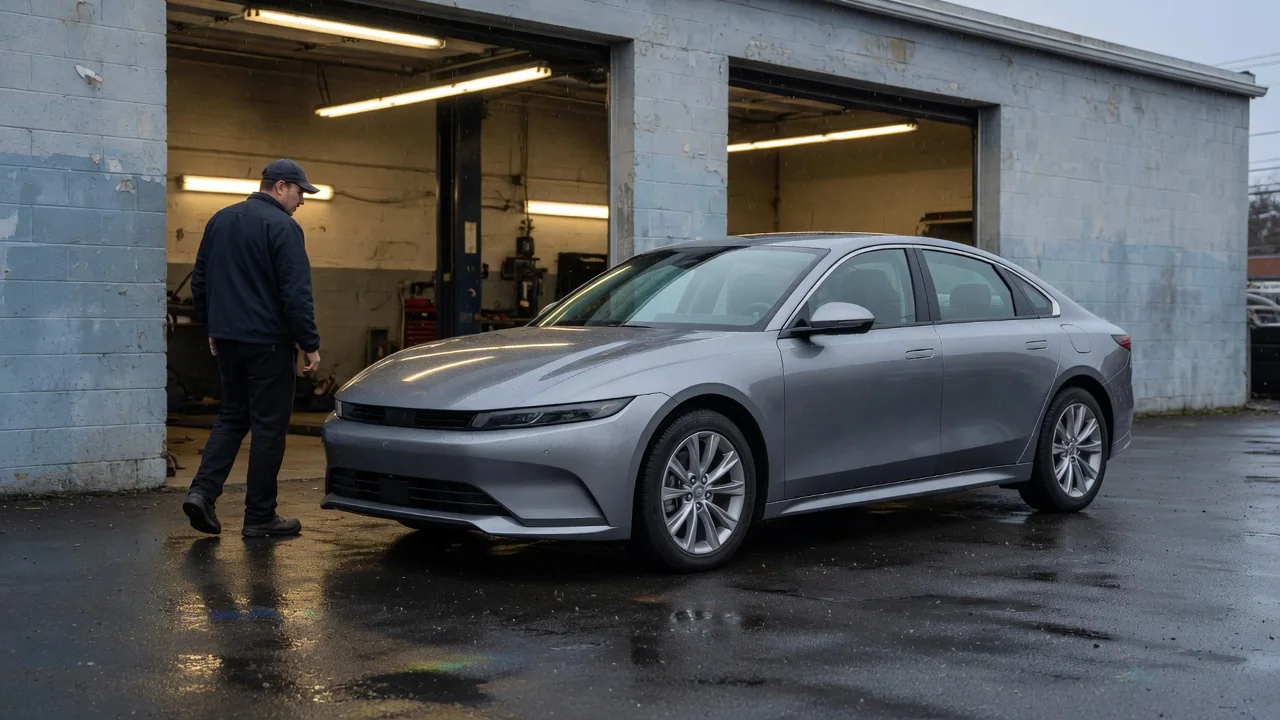
Early automobiles were upright boxes built around the engine, the passengers, and the coachbuilding habits of the carriage trade. Asking how did car bodies become more aerodynamic leads through a century of shifting priorities, from speed and style to fuel economy, quietness, and electric driving range. The answer shows up in sheet metal details that anyone can spot once they know where to look.
Shape and airflow
Air resists a moving car in two main ways: it must be pushed aside at the front, and it leaves a turbulent, low-pressure wake behind the tail. Early bodies with vertical radiators, separate fenders, exposed headlamps, and running boards disturbed the flow at every step. Designers gradually blended those parts into a single envelope, tilting windshields rearward, rounding the nose, and absorbing the fenders into the body sides so air could stay attached to the surface longer.
The rear of the car turned out to matter as much as the front. A long tapering teardrop tail lets air close in gently, but it is impractical on a road vehicle, so engineers adopted the abruptly cut-off tail, which keeps much of the benefit in a shorter length. You can see this in the high, squared-off trunk edges and sharp rear corners on many current sedans and hatchbacks, though the exact treatment varies with body style and brand design language.
Packaging tradeoffs
A slippery shape competes with everything else a car must do. A roofline that falls smoothly toward the tail reduces the wake but cuts into rear headroom and cargo opening height. A steeply raked windshield lowers drag yet pushes the dashboard deep, increases glass area and solar heat load, and thickens the pillars that drivers must look around. A low hood helps airflow but has to clear the engine, suspension towers, and the crush space required for pedestrian protection.
Those conflicts explain why changing priorities left visible marks on different eras. When fuel prices and efficiency rules became pressing concerns, manufacturers turned to wind tunnels and accepted rounder, softer shapes with flush glass and integrated bumpers. As buyers moved toward taller crossovers and pickups, designers had to recover losses caused by larger frontal area with careful detailing instead of low rooflines. How much room is traded for smooth flow differs widely between a family utility vehicle, a sports coupe, and a work truck.
Modern features
Much of today's aerodynamic work happens in small details rather than overall silhouette. Flush or retractable door handles, glass mounted level with the body, tightly fitted panel gaps, and carefully sculpted mirror housings all reduce small disturbances. Many vehicles use active grille shutters that close when the cooling system needs less air, and vertical slots in the front bumper that send a curtain of air across the face of the front wheels, where spinning tires create considerable turbulence.
The underside has received similar attention. Flat panels covering the engine bay, floor, and rear suspension smooth flow that used to tumble around exhaust pipes and crossmembers, and a rear diffuser helps that air rejoin the wake cleanly. Roof spoilers, small fins near the tail lamps, and nearly closed wheel designs are common on electric vehicles, which need less cooling air and gain range from every reduction in drag. Equipment differs by model, trim, and market, so two versions of one vehicle may not match.
Everyday Use and Observations
Drivers experience aerodynamics mostly at highway speed, because drag rises steeply as velocity climbs while it barely matters in stop-and-go traffic. A well-shaped body needs less power to hold a cruising speed, which shows up as better fuel economy or longer electric range on long trips. It also tends to be quieter, since the same smooth surfaces and sealed gaps that cut drag reduce wind rush around the mirrors, pillars, and door seals.
Simple observations reveal how air moves around a particular vehicle. Road grime collecting on the rear window of a hatchback or wagon marks the swirling wake behind a blunt tail, while a sedan's trunk lid often stays cleaner. Rain streaking up the windshield and along the side glass traces the flow path. Adding a roof box, bike carrier, or oversized tires, or removing a factory air dam or underbody panel, typically increases drag and noise, though the size of the effect depends on the vehicle and the accessory.
Limits and Next Steps
Aerodynamic progress has practical ceilings. Occupants need to sit upright, see out, and climb in easily; engines, batteries, and brakes need cooling air; tires must be wide enough for grip; and safety and lighting rules shape the nose and tail. Frontal area matters as much as shape, so a tall, wide vehicle with a refined body can still push more air than a small car with ordinary detailing. Gains therefore come in small increments won through computer simulation and wind tunnel testing.
Future refinements are likely to continue in familiar directions: camera systems replacing mirrors where regulations allow, ride height that lowers at speed, smoother wheels, and more active elements that adapt to conditions. For anyone comparing vehicles, published drag figures are useful only alongside frontal area and real-world efficiency ratings, and the manufacturer's information for the specific model and trim is the reliable reference. Owners curious about their own car can simply keep factory aero parts intact and replace damaged undertrays or air dams rather than discarding them.