How Did Hatchbacks Become Practical Family Cars?
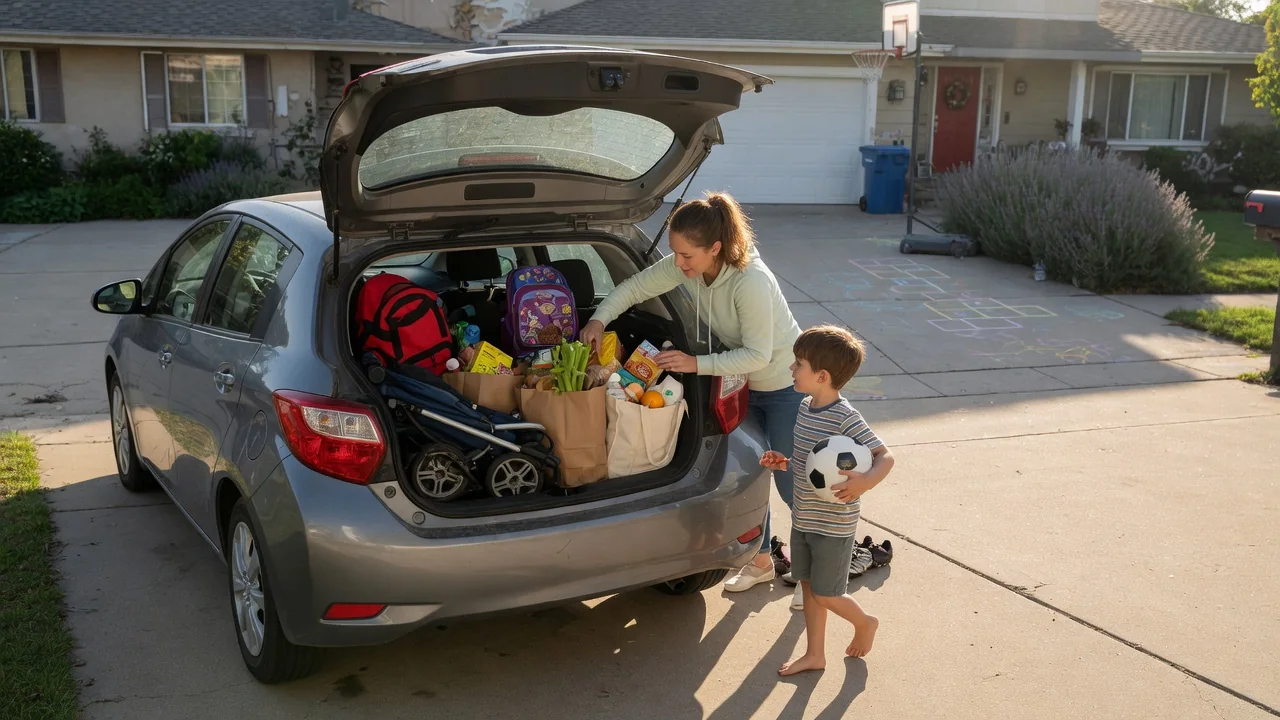
Ask how did hatchbacks become practical family cars and the answer starts at the back of the vehicle. Replacing a separate trunk lid with a large, top-hinged door that includes the rear window changed how people load, carry and share space. Combined with folding rear seats, that single opening turned a compact body into a flexible household tool.
Cargo access
A sedan trunk is a sealed box reached through a relatively small lid, so the size of the opening often limits what fits more than the volume behind it. A hatchback's tailgate is hinged at the roof and lifts the glass with it, exposing the cargo area from floor to ceiling. That lets a stroller, a boxed appliance or a folded playpen pass straight in instead of being angled through a narrow slot, which is exactly the kind of bulky, awkward load family life produces.
The details of that opening vary and are worth looking at in person. Some cars have a loading lip several inches above the cargo floor, meaning heavy items must be lifted over the bumper and down, while others sit nearly flush. Check how wide the aperture is between the taillights, how high the raised tailgate sits for taller adults, and whether the removable parcel shelf or roll-out cover lifts out of the way easily. Gas struts hold the door up, and powered operation appears on some trim levels.
Seat folding
The rear opening only delivers its full benefit because the cargo area and passenger cabin are one continuous space. With no fixed bulkhead behind the back seat, folding the seatbacks forward extends the load floor toward the front seats. A car that carries four people on a school run can then swallow a bicycle, flat-pack furniture or camping gear on the weekend. That ability to trade seating for carrying capacity, and back again in seconds, is central to the hatchback's family reputation.
Split-folding seatbacks add a further layer of flexibility, because one section can drop for a long item while a child seat stays installed on the other side. How well this works depends on the vehicle. Some seats fold nearly flat, others leave a step or a slope, and release mechanisms may be on the seat shoulder, in the cargo area or both. Certain designs also offer an adjustable-height cargo floor to level the surface. Folding the seats yourself at a dealership shows more than any brochure description can.
Everyday appeal
Part of the appeal is that this versatility comes in a footprint that remains easy to live with. A hatchback's short rear overhang and upright tail make it simpler to judge when backing into a tight parking space, and the overall length is usually modest compared with a wagon or larger utility vehicle built for similar tasks. For households juggling city streets, crowded garages and school drop-off lanes, a body that carries a lot without being long is a genuine convenience rather than a compromise.
The rear doors and seat matter as much as the cargo area for family duty. Five-door layouts give direct access to the back row for fitting child restraints and helping small passengers buckle up, and a tall roofline toward the rear helps with headroom. The open cabin also means items in the cargo area can sometimes be reached from the back seat. Door opening angle, seat height and the position of child seat anchor points differ between models, so they deserve a hands-on check.
Everyday Use and Observations
In routine use, the differences from a trunk become obvious quickly. Groceries sit on a wide, low floor and can be reached without leaning deep into a dark recess. The raised tailgate offers a little shelter while loading in the rain. A wet dog, muddy sports gear or potted plants can ride in the back with the cover removed, taking advantage of the full height. Tie-down hooks, side pockets and underfloor storage, where fitted, help keep smaller items from sliding around during cornering and braking.
There are also characteristics owners notice over time. Because the cargo area shares air with the cabin, road noise from the rear wheels and any rattling cargo is more audible than in a car with a separate trunk, and belongings are visible through the glass unless the cover is in place. The sloping rear window tends to collect road spray, which is why a rear wiper is commonly fitted. Rear visibility depends on pillar thickness and window size, and it shrinks when luggage is stacked high.
Limits and Next Steps
The format has real limits. With all seats in use, the cargo floor is usually shorter than in a wagon, so a full passenger load plus vacation luggage can require careful packing. A steeply raked tailgate cuts into the space available for tall, square items near the back. Cargo stacked above the seatback line can move forward in a sudden stop, so heavy objects belong low and against the seatbacks, secured where anchor points allow. The owner's manual lists the vehicle's payload rating, which covers passengers and cargo combined.
For anyone deciding whether a hatchback suits their household, the most reliable step is to test it with real belongings. Bring the stroller, the child seats or the sports bag, and try loading them with the rear seats both up and folded. Open the tailgate in a garage to check clearance, look over your shoulder to judge the view out, and listen for cabin noise on a rough road. Dimensions and features vary by model and trim, so the manufacturer's specifications for the exact vehicle should settle any remaining questions.