When Carrying a Passenger on a Motorcycle: What Changes and How to Ride Two-Up Safely
The Short Answer
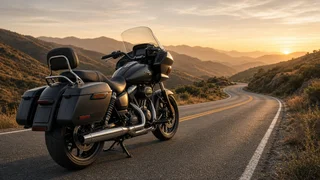
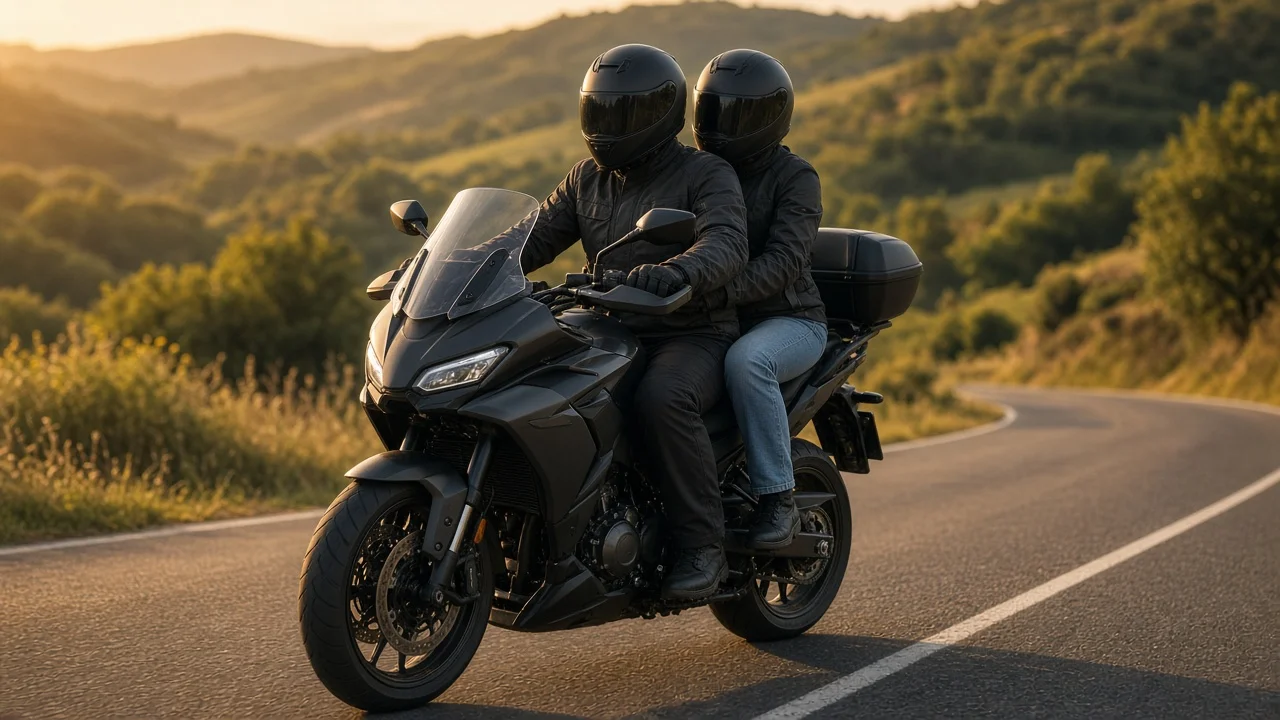
When you carry a passenger on a motorcycle, the bike becomes heavier and its weight sits higher and further back. It will take longer to stop, accelerate more slowly, feel heavier at low speeds and respond differently in corners. To ride two-up safely, confirm that the motorcycle is designed and legally equipped to carry a passenger, adjust it for the extra load, brief your passenger before setting off, and ride more smoothly and with more space than you would alone.
Two conditions change this answer. First, not every motorcycle is built for two people: if the bike lacks a passenger seat and passenger footrests, or the added weight would exceed the load limit in the owner's manual, it should not carry a passenger. Second, passenger rules are set by each US state, so requirements such as passenger equipment, helmet use or minimum passenger age depend on where you ride.
Key Terms
Two-up: riding with a rider and one passenger on the same motorcycle. Passenger footrests (pegs): the footrests mounted behind the rider's for the passenger's feet. Load capacity: the maximum combined weight of rider, passenger, luggage and accessories the manufacturer allows, listed in the owner's manual or on a label on the frame. Preload: an adjustment on the rear shock (and sometimes the forks) that sets how much the suspension is compressed before the load is added, helping keep the bike level under extra weight.
Step 1: Confirm the Motorcycle and the Law Allow It
Check that the motorcycle has a seat designed for a passenger and passenger footrests. Find the load capacity in the owner's manual and add up rider, passenger and luggage weight to confirm you are within it. Check your state's motorcycle operator manual or motor vehicle agency for passenger rules, including equipment, helmet requirements and any age limits for passengers. Consider your own readiness: carrying a passenger adds demands, so be comfortable with the motorcycle solo before taking someone along.
Step 2: Adjust the Motorcycle for the Extra Weight
Tire pressure: many manufacturers specify different pressures for solo and two-up riding; set them to the loaded values in the owner's manual. Suspension: increase rear preload, and adjust damping if your bike allows it, following the manual's guidance for carrying a passenger. Mirrors: readjust them once the passenger is seated, since the bike may sit differently and the passenger may block part of the view. Headlight: extra weight on the rear can raise the beam; adjust aim if your motorcycle allows it. Luggage: keep cargo low, secure and balanced, and remember it counts toward the load limit.
Specific tire pressures, preload settings and weight limits vary by model, model year and equipment. No figures are given here because they must come from the manual for your particular motorcycle.
Step 3: Make Sure the Passenger Is Dressed for the Ride
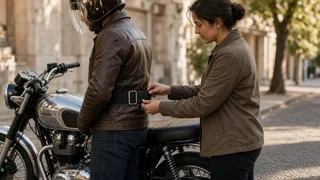
A passenger needs the same protection as the rider: a properly fitting helmet, eye protection, a sturdy jacket, long pants, gloves and boots that cover the ankles. Loose clothing, laces and straps should be secured so they cannot catch on the drive chain, wheel or exhaust. The passenger's feet must reach the footrests comfortably; if they cannot, the person should not ride as a passenger on that motorcycle.
Step 4: Brief Your Passenger Before You Start
Wait until the rider says it is OK to get on, and get on and off only after the rider has the motorcycle upright, both feet down and the brake applied. Mount from the side away from the exhaust to avoid burns on hot pipes. Hold on firmly to the rider's waist or hips, or to the passenger grab handles if fitted. Keep both feet on the footrests at all times, including at stops, and keep feet and legs away from the exhaust and moving parts. Sit still and avoid sudden movements, which can unsettle the motorcycle. In turns, stay in line with the rider and lean with the motorcycle; looking over the rider's shoulder in the direction of the turn helps. Do not lean against the turn or try to stay upright. Brace gently against the rider when braking and hold on firmly when accelerating. Agree on simple signals, such as a tap to request a stop, or use an intercom if available.
Step 5: Ride Differently With Two Aboard
Start practicing in a quiet, open area such as an empty parking lot before heading into traffic. Use more throttle and clutch control when pulling away, because the extra weight makes stalling and wobbling more likely. Begin braking earlier and apply both brakes smoothly; stopping distances increase with the added load. Leave a larger following distance and larger gaps when merging, passing or turning across traffic, since acceleration is slower. Take corners at lower speeds and avoid abrupt steering, throttle or brake inputs. Expect the motorcycle to feel heavier and less stable at walking pace and when stopped; plant your feet firmly and keep the bike upright. Watch for road surface changes and bumps, and warn your passenger about them when possible. Plan shorter first rides; fatigue affects both rider and passenger.
Step 6: Check That the Setup Is Working
The motorcycle sits reasonably level with both of you aboard and does not bottom out over normal bumps. The steering feels steady rather than light or vague at speed. You can see clearly behind you in both mirrors. You can stop smoothly from low speed in your practice area without the bike pitching or the passenger sliding forward. Your passenger can keep their feet on the pegs, hold on securely and follow the turns without shifting their weight against you. If any of these checks fails, stop, recheck the tire pressures and suspension settings against the manual, and repeat the practice before riding in traffic.
Limits of This Guide
This guide covers general principles for riding with a passenger in the US. It does not provide model-specific load limits, tire pressures or suspension settings, and it does not state the passenger laws of any particular state, because these vary and no verified figures were available. For those details, rely on your motorcycle's owner's manual and your state's official motorcycle operator manual. A hands-on rider training course that covers passenger riding is a practical next step if you want supervised practice.