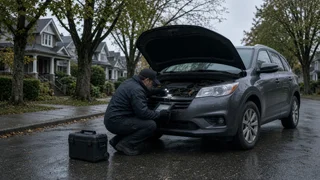
Hate driving in vancouver
Disliking a route through Vancouver usually reflects a combination of road classification, lane layout, and the travel conditions motorists encounter during a specific trip. Drivers often describe frustration with congestion, unfamiliar traffic signs, and access restrictions that make a route segment harder to read at speed. This feeling is common when the roadway requires constant lane changes, merges, or attention to changing controls. The core issue is rarely one single element; it is the way the driving environment combines those factors. Understanding the practical interactions helps a driver recognize where the friction comes from and what can be adjusted.
Essential answer
The direct answer is that hating driving in Vancouver is not usually a verdict on the city alone but a reaction to overlapping route demands. Road classification changes quickly, so a driver may move from a high-capacity corridor into a tighter urban street without a clear transition in expected speed or lane use. When lane layout shifts near bridges, on-ramps, or transit stops, the available space for predictable movement shrinks. That loss of predictability makes ordinary trips feel more demanding than the distance or posted limit would suggest, especially for visitors who lack local route memory.
Travel conditions also shape the experience before a driver touches the pedals. Rain, low light, and dense traffic reduce sightlines and increase the consequences of a late lane choice. Traffic signs may be present but harder to absorb when the driver is already managing close following distances and frequent signal changes. Access restrictions, such as turn prohibitions or bus-only segments, can force a correction at the worst possible moment. Together these factors explain why the route feels hostile even when no single rule is unreasonable.