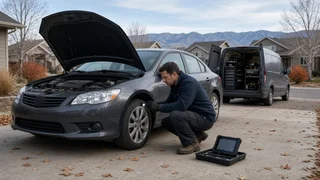
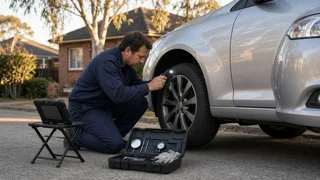
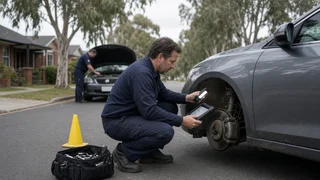
Mobile pre-purchase car inspections in Vancouver
The short answer
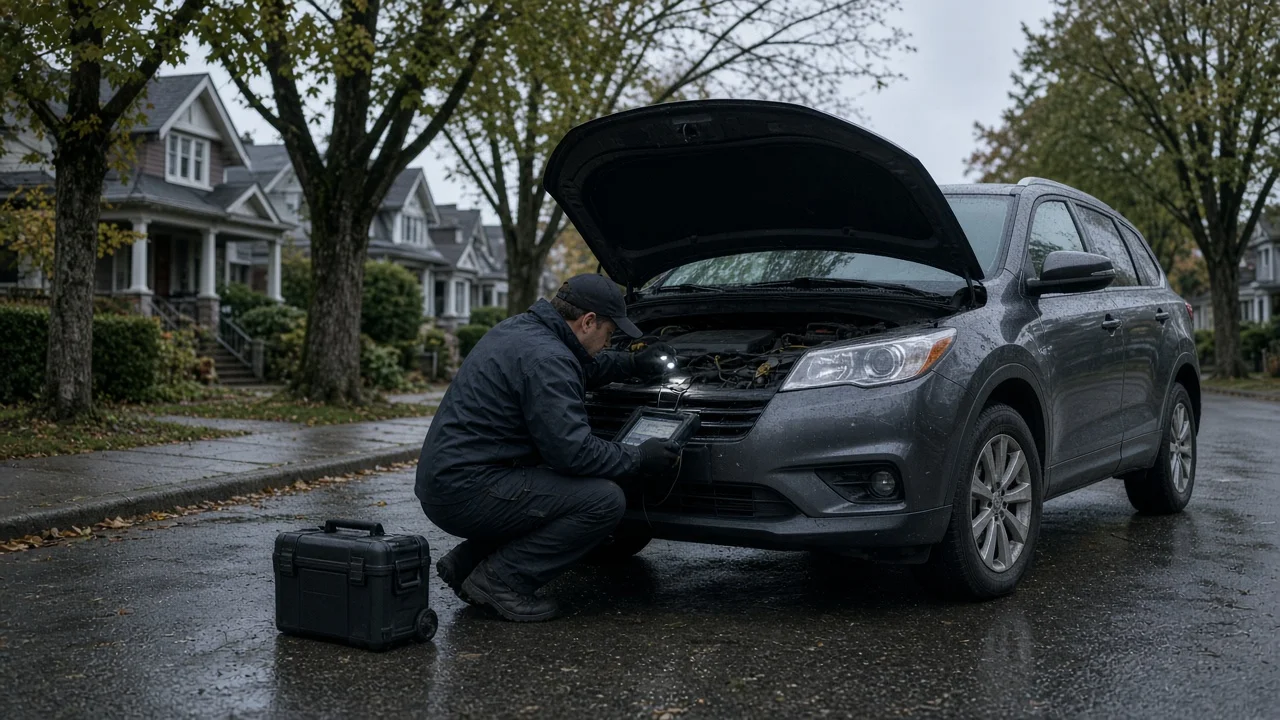
Yes, a mobile pre-purchase inspection is a practical way to check a used car in Vancouver before you pay for it. An inspector comes to wherever the car is parked, such as the seller's driveway or a dealer lot, and gives you an independent report on its condition. Two things change how useful it will be: whether the seller allows the inspection and a test drive, and whether the car needs checks that require a lift or a shop, such as a close look at the underbody or a suspected engine problem. If either applies, a shop-based inspection may be the better choice.
No verified local pricing, provider names, turnaround times or reviews were available for this article, so compare providers directly using the questions below.
Check which Vancouver you mean
Vancouver, Washington, and Vancouver, British Columbia, are in different countries, with different vehicle registration, emissions and title rules. Providers often serve only one side of the border. Confirm that the inspector works in your area and understands the paperwork and regulations that apply where the car will be registered.
What a mobile inspection usually covers
Checklists vary by provider, so treat the following as typical scope to ask about, not a guarantee:
Exterior body and paint, looking for signs of accident repair such as mismatched panels, uneven gaps or overspray; Tires and wheels, including tread depth and uneven wear that can point to alignment or suspension problems; Visible fluid levels, fluid condition and signs of leaks; Belts, hoses, battery and visible engine-bay components; Brakes, as far as they can be seen without removing wheels; Interior features, controls, lights, climate system and electronics; A diagnostic scan through the OBD-II port (the standard onboard diagnostics connector on most cars sold in the US since the 1996 model year), which reads stored and pending fault codes; A test drive to check engine behavior, shifting, steering, braking and unusual noises; A written report, ideally with photos
Limits of inspecting a car on site
An inspector working in a driveway usually has no hoist, so the underside of the car can only be viewed from ground level. Rust, frame damage, exhaust problems and some leaks can be missed or only partly seen. Tests that involve taking parts off, such as a compression or leak-down test on the engine, are often not included or cost extra. Weather and lighting also matter: rain hides paint flaws and leaks, and a car that has already been warmed up can mask cold-start problems.
A clean report also cannot predict future failures. It shows the car's condition on the day it was inspected.
Questions to ask before you book
What exactly is on your checklist, and can I see a sample report? Is a diagnostic scan included, and does it read manufacturer-specific codes or only generic ones? Is a test drive included, and what happens if the seller refuses one? Do you take photos of problem areas? What qualifications do inspectors hold, such as ASE certification in the US? Do you have experience with this make, or with hybrids and electric vehicles if relevant? How soon after the inspection will I get the report? Do you carry insurance in case something goes wrong during the test drive? Are there extra charges for travel distance, dealer lots or add-on tests?
Getting the most from the inspection
Ask the seller's permission before booking and confirm the time with both the seller and the inspector. Request that the car not be driven beforehand so the inspector can hear a cold start. A level, dry spot with daylight helps. Have the vehicle identification number (VIN) ready, and run a separate vehicle history report, because an inspection checks physical condition, not title status, odometer records or past insurance claims.
Using the report to decide
Sort findings into three groups: routine wear items such as tires or brake pads, repairs that are costly but fixable, and warning signs such as evidence of serious accident damage, flood exposure or major engine or transmission faults. Get repair estimates for the middle group and use them to negotiate. If the report flags something it could not fully assess, such as underbody rust, consider a follow-up check at a shop with a lift before you commit. Warning signs in the third group are usually a reason to walk away.