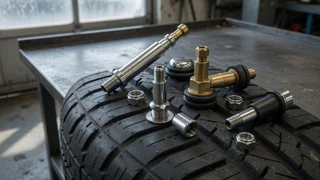
Bicycle valve types and sizes: Presta, Schrader, tubeless
Choosing the right bicycle tire valve stem comes down to matching the valve to the rim drilling, the tube or tubeless setup, and the inflation tools you already own. The two common families are Presta and Schrader, and tubeless systems add their own removal and sealing considerations. Valve length and diameter also matter when a rim is deep or a pump head fits poorly. This guide explains how those valve types and sizes differ, why the distinction affects everyday inflation and pressure retention, and what to check before buying a tube, tubeless valve, or replacement stem.
Essential answer
Bicycle tire valve stems generally divide into Presta and Schrader designs. Presta valves are narrow, have a small locknut at the top, and are common on road bikes, gravel bikes, and many higher-performance rims because the smaller hole suits narrow rims and higher inflation pressure. Schrader valves are wider, use a spring-loaded center pin like an automotive valve, and appear on many cruiser, commuter, mountain, and kids' bikes. A bicycle tubeless tire valve stem is usually a Presta-style removable core stem that seals against the rim bed and lets sealant be added or the core replaced without removing the tire.
The correct stem size is not only about valve type. The valve must be long enough to clear the rim profile so a pump head can engage, but not so long that it becomes fragile or difficult to fit. A bike tire valve stem too short may be nearly impossible to inflate on a deep-section wheel, while a replacement that is too long simply adds exposed leverage. Rim drilling diameter is the other mechanical constraint: most drilled Presta rims accept a narrower stem, and a Schrader stem should not be forced into an undersized hole. Matching the tube or tubeless valve to the existing rim and wheel build is the practical first step.