Mobile pre-purchase vehicle inspections in Calgary
The short answer
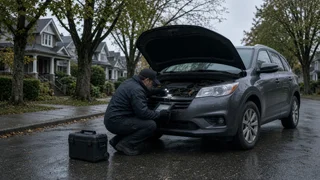
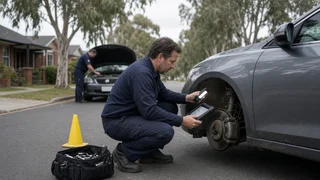
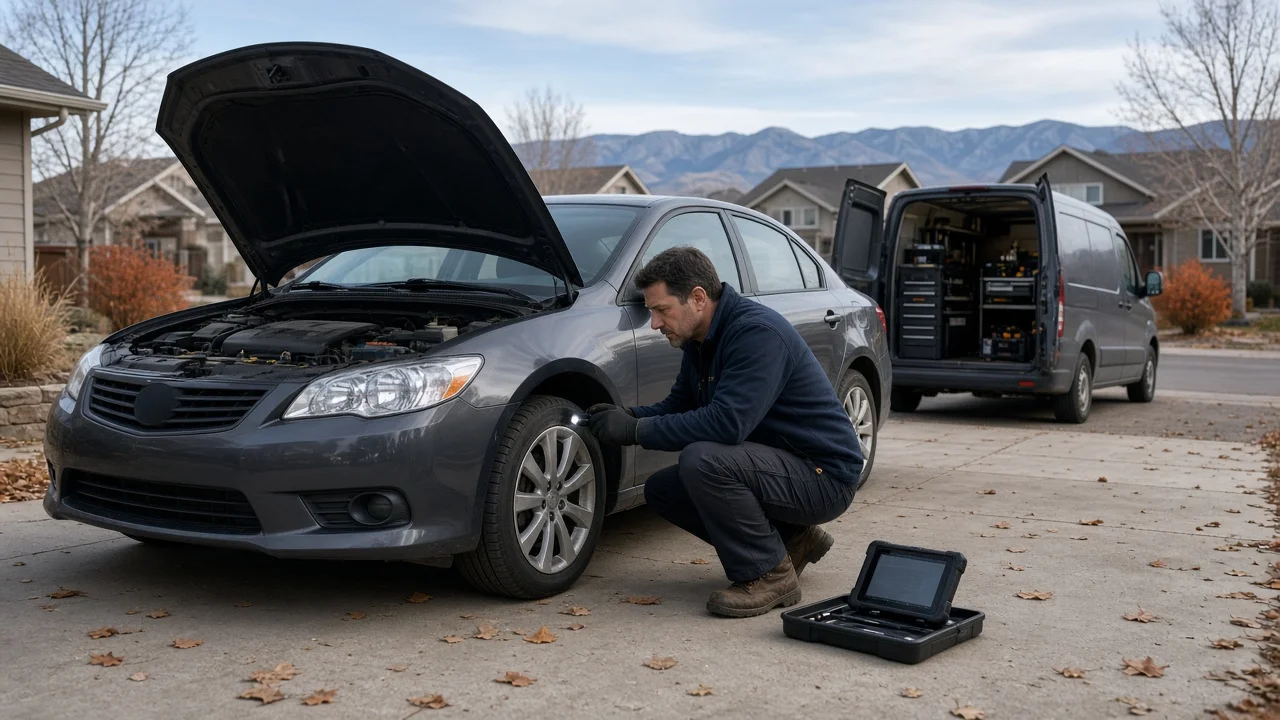
A mobile pre-purchase inspection sends an inspector to wherever the vehicle is parked, such as a private seller's driveway or a dealer lot, to assess its condition before you commit to buying. For many used-vehicle purchases in Calgary, it is a practical way to get an independent opinion without arranging to move the car to a shop. The main condition that changes this answer: a mobile inspector usually works without a hoist, so the underside of the vehicle gets a more limited look than it would in a shop bay. If the vehicle's main risks are underneath, such as rust, leaks, suspension wear or frame damage, a shop-based inspection may be the better choice.
No specific Calgary providers, prices, turnaround times or service guarantees were available for this article. Anything in those areas needs to be confirmed directly with the inspection service you are considering.
What a mobile inspection typically covers
Scope varies by provider, so treat the following as a list of things to ask about rather than a guaranteed package:
Exterior and body condition, including panel gaps and paint differences that can point to past repairs; Tires, brakes visible through the wheels, and suspension components that can be seen without lifting the vehicle; Under-hood checks of fluids, belts, hoses, the battery and visible leaks; Interior condition and operation of controls, lights, climate system and electronics; A scan of the onboard diagnostic system (OBD-II, the standard computer port on most modern vehicles) for stored or pending trouble codes; A road test, if the seller allows it and the vehicle is insured and registered for driving; A written or photo report you can keep and share
Mobile versus shop-based inspection
Factor | Mobile inspection | Shop-based inspection; Location | Done where the vehicle is | Vehicle must be brought to the shop; Seller cooperation needed | Access to the vehicle on site | Seller must agree to let the car be taken or meet at the shop; Underside access | Limited without a hoist | Full view on a lift; Tools available | Portable tools and scanner | Full shop equipment; Best suited to | Convenience, distant or uncooperative sellers, quick screening | Older vehicles, rust-prone vehicles, high-value purchases
What to check before booking an inspector
Exactly what is inspected and what is excluded, in writing; Whether the inspector carries a code scanner suited to the vehicle's make, and whether they can read manufacturer-specific modules beyond basic engine codes; Whether a road test is included and who is responsible if something happens during it; The inspector's mechanical qualifications and experience with the type of vehicle you are buying, such as diesel, hybrid, electric or European makes; What the report looks like: photos, a checklist, repair priorities or cost estimates; The total fee in Canadian dollars, including any travel or distance charges, and whether taxes are included; How soon after the inspection you receive the report, since private sales can move quickly
When comparing quoted fees, confirm the date of the quote and what it includes. An advertised starting price may not include travel, diagnostics on specific systems or a road test.
Calgary-specific considerations
Calgary winters can make a cold-start check more revealing, because hard starting, rough idle or warning lights may show up only when the engine has sat in the cold. Ask the seller not to warm up the vehicle before the inspector arrives. Road salt and winter driving also make underbody corrosion a fair concern, which is where the limited underside view of a mobile inspection matters most.
A private pre-purchase inspection is not the same as any inspection the province may require for registration. For example, vehicles brought into Alberta from another province or country generally need a separate out-of-province inspection at a licensed facility before they can be registered. If the vehicle you are considering is in that situation, confirm the requirement with an Alberta registry agent rather than assuming a mobile inspection satisfies it.
If you are buying from a dealer, Alberta's automotive businesses are regulated by the Alberta Motor Vehicle Industry Council (AMVIC). A dealer refusing an independent inspection is worth noting when you decide whether to proceed.
Checks beyond the mechanical inspection
An inspection tells you about the vehicle's physical condition. It does not confirm ownership history or legal status. Before paying, consider these separate checks:
A vehicle history report for reported accidents, insurance claims and odometer records, keeping in mind that unreported damage will not appear; A lien search through an Alberta registry agent, so you do not take on a vehicle that still secures someone else's debt; That the VIN (vehicle identification number) on the vehicle matches the registration and the seller's documents; That the seller is the registered owner or has authority to sell; Open safety recalls for the exact model year and trim, which the manufacturer or a dealer can confirm by VIN
Using the results
An inspection report is most useful when it changes what you do next. Minor wear items can support a price discussion. Safety problems, signs of hidden accident repair, significant corrosion or diagnostic codes pointing to costly systems are reasons to walk away or seek a second, shop-based opinion. If the report lists repair estimates, confirm them with a shop that will actually do the work, since estimates depend on the specific model year, engine and parts availability.
Finally, remember that no inspection can guarantee future reliability. It reduces the chance of buying a vehicle with problems that were detectable on the day, which is the realistic goal.