Mobile Pre-Purchase Car Inspections in Sydney: What to Check Before You Book
If you are buying a used car in Sydney, a mobile pre-purchase inspection is usually worth booking before you pay anything beyond a refundable deposit. An inspector comes to the car, whether it sits at a private seller's home, a workplace car park or a dealer's yard, and reports on its mechanical condition, body, electrical systems and road behaviour. The main condition that changes this advice: a mobile inspection is a condition assessment, not a registration certificate and not a guarantee. It reduces the risk of buying a car with expensive hidden problems, but it cannot see inside a sealed engine or gearbox, and it does not replace the ownership and finance checks you should run separately.
What a mobile car inspection in Sydney actually is
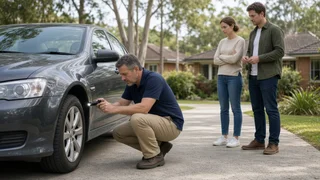
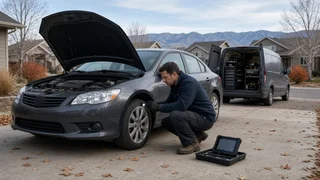
A mobile vehicle inspection in Sydney is an independent check carried out on location rather than in a workshop. The inspector works for you, not the seller, and the result is normally a written report with notes and often photos. Because the inspection happens where the car is, it suits private sales across a spread-out city, interstate buyers who cannot view the car in person, and buyers who want a second opinion on a dealer vehicle without arranging to move it.
The trade-off is equipment. A roadside or driveway inspection usually cannot put the car on a hoist, so underbody checks rely on what can be seen with the car on the ground, sometimes with a jack or creeper. Ask any provider how they inspect the underside, because rust, leaks, damaged suspension parts and accident repairs often show up there first.
Pre-purchase inspection versus pink slip, blue slip and emissions tests
Several different checks get confused when buying a car in New South Wales. They answer different questions, so it helps to know which one you are paying for.
Check | What it answers | What it does not tell you; Pre-purchase inspection | Is this particular car in good condition and worth the asking price? | It is not a legal registration document; Pink slip (safety inspection for registration renewal) | Does the car meet minimum roadworthiness standards at the time of the test? | It does not assess wear, likely repair costs or overall value; Blue slip (identity and safety inspection) | Can an unregistered, modified or written-off-and-repaired vehicle be registered? | It is not a buyer-focused condition report; Emissions test | Does the car meet emissions requirements where such testing applies? | It says little about mechanical health or body condition
A current test certificate from a registration safety inspection is useful evidence, but it sets a minimum standard. A car can pass a safety inspection and still have a tired gearbox, worn engine mounts or an air-conditioning fault that costs real money. A pre-purchase inspection is designed to find those issues. If a car has previously failed a registration inspection, ask the seller what was repaired before the retest and request receipts.
What a thorough inspection should cover
Inspection criteria vary between providers, so compare checklists rather than package names. A comprehensive mobile inspection typically includes most of the following:
Vehicle identification: confirming the VIN, engine number where accessible and compliance or build plate details match the registration papers and the advertisement; Body and paint: panel gaps, overspray, paint depth differences, filler and signs of accident repair or flood exposure; Rust and corrosion: sills, wheel arches, floor pans, suspension mounts and around the windscreen; Engine: cold-start behaviour, unusual noises, oil and coolant condition, leaks, belts, hoses and smoke on start-up or under load; Transmission and driveline: shift quality, clutch engagement, slipping, noises from differentials or CV joints; Suspension, steering and brakes: worn bushes, leaking shock absorbers, play in the steering, pad and rotor condition, pulling under braking; Tyres: tread depth, uneven wear that suggests alignment or suspension problems, matching brands and age; Electrical systems: lights, windows, locks, infotainment, air conditioning, warning lights and battery condition; Diagnostic scan: reading stored fault codes from the car's computer, including codes that may have been recently cleared; Interior: wear that is inconsistent with the odometer reading, water damage, seat belt and airbag warning lights; Road test: how the car drives, idles, accelerates, brakes and behaves at different speeds, where the seller permits it
For hybrids and electric vehicles, ask whether the inspector can assess the high-voltage battery and related systems. A general mechanical inspection may only report warning lights, while a specialist check may give more detail on battery health. What is possible depends on the make, model year and the tools the inspector has for that powertrain.
How to choose a mobile inspection service in Sydney
Independence: the inspector should have no connection to the seller or dealer selling the car; Qualifications: ask whether the person doing the inspection is a qualified mechanic and whether the business holds any relevant licensing or industry membership; Sample report: request an example so you can see how detailed the findings are and whether photos and repair priorities are included; Underbody method: confirm how they check the underside without a hoist; Scan tool: confirm whether a diagnostic scan is included and whether it covers your make; Road test: check whether a road test is standard and what happens if the seller refuses one; Turnaround: ask how soon the report arrives after the inspection, since good cars sell quickly; Coverage area: Sydney is large, so confirm the suburb is within their service area and whether travel costs extra; Limitations: a reputable provider will clearly state what the inspection does not cover
Price alone is a poor guide. A cheaper inspection that skips the scan, the road test or the underbody is less useful than a more complete one, especially for an older or higher-value car.
Checks to run alongside the inspection
A mechanical inspection does not tell you whether the seller has the right to sell the car. Before paying, run a PPSR check (Personal Property Securities Register) using the VIN. It can show whether money is still owed on the vehicle, and it can flag whether the car has been recorded as stolen or written off. Also confirm that the registration details match the car and that the seller's identification matches the name on the registration papers. Service records, receipts for major repairs and the number of keys are worth checking as well.
Arranging the inspection with the seller
Tell the seller you plan to have the car inspected and agree on a time and place with enough room to work safely; Ask that the engine is cold when the inspector arrives, because a warm engine can mask starting problems and some leaks; Confirm the seller will allow a road test and will be present or nearby; Ensure the car has enough fuel or charge for the road test; If you put down a deposit first, get written agreement that it is refundable if the inspection reveals significant problems
Be cautious if a seller refuses any independent inspection. It is not proof of a problem, but it removes one of your main protections and is reason to walk away or lower your offer.
Reading the report and deciding what to do
Most reports sort findings by severity. Separate them into three groups: safety issues that must be fixed before the car is driven, significant repairs that affect value, and routine maintenance items such as tyres, brake pads or a service that is due soon. Safety faults and major mechanical issues are grounds to walk away or renegotiate. Maintenance items are normal on a used car and are better used to adjust the price than to reject the vehicle.
If a finding is unclear, call the inspector and ask what it means in practical terms, how urgent it is and what a typical fix involves. For an expensive repair, get a quote from a workshop before using it to negotiate. If the seller offers to fix a problem before sale, ask for the repair to be done by a business that provides an itemised invoice.
When a mobile inspection may not be enough
For prestige, performance, heavily modified or classic vehicles, consider a specialist familiar with that make, or a workshop inspection with a hoist. The same applies when a mobile inspection raises a concern that needs deeper investigation, such as a possible head gasket problem, a suspected accident repair or a transmission fault. In those cases the mobile inspection has done its job by identifying where to look next.