Mobile pre-purchase vehicle inspections in Melbourne
The short answer
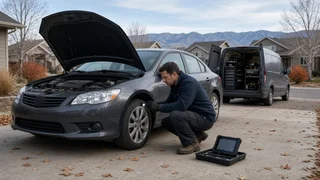
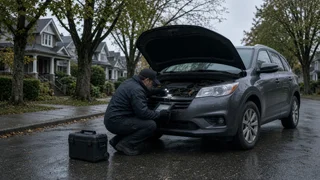
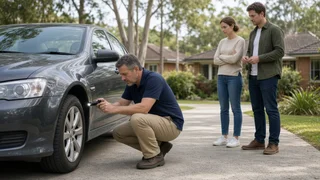
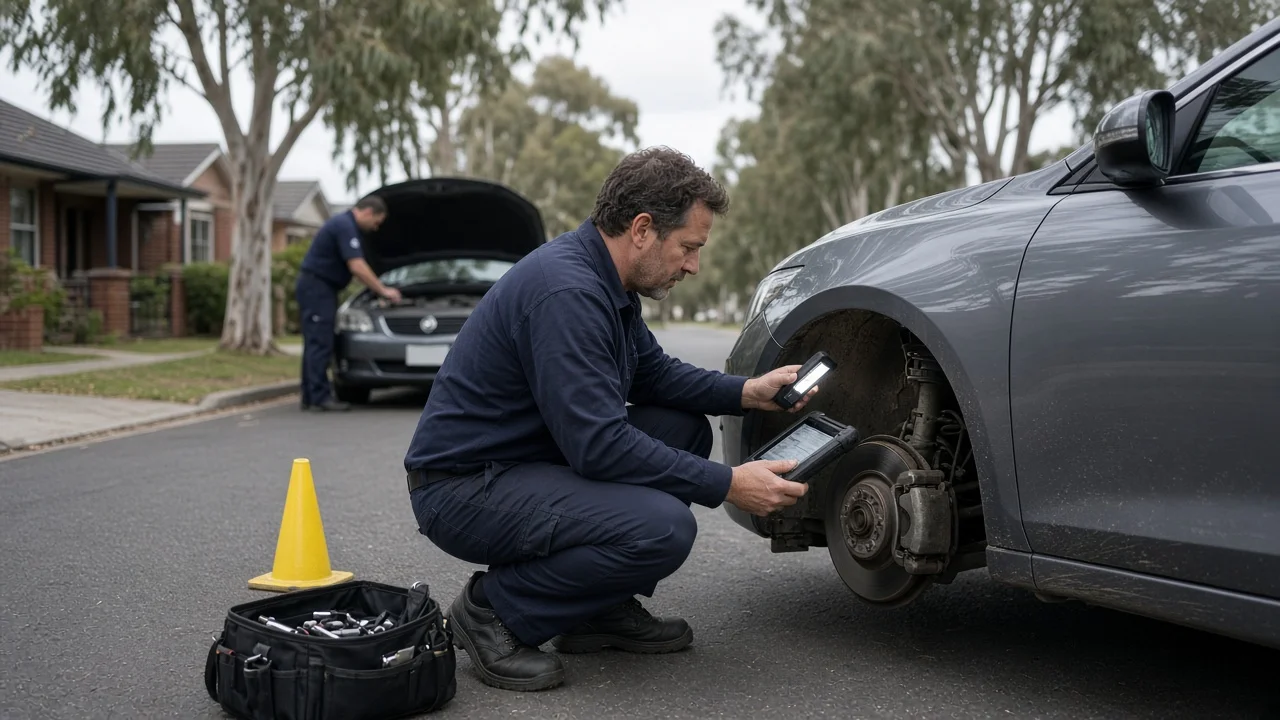
A mobile pre-purchase inspection is a check of a used vehicle by an independent inspector who travels to where the car is, such as a seller's driveway or a dealer's yard. It is useful for private sales, for cars you cannot easily move, and for vehicles some distance from where you live. Its main limitation is equipment. Without a vehicle hoist, an inspector usually cannot see the underside as clearly as a workshop can. Before you book, confirm exactly what the inspection covers, what it leaves out, and what form the report takes.
This guide assumes Melbourne, Victoria, Australia. If you are buying in Melbourne, Florida, the general inspection advice still applies, but the registration, roadworthy and finance-check rules mentioned below are Victorian and will differ.
What a mobile inspection usually involves
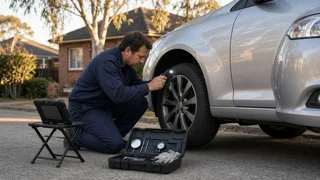
The inspector works through a checklist. It typically covers body and paint condition, signs of accident repair, rust, tyres, brakes, suspension, steering, fluid leaks, the engine bay, the interior, electrical features and lights. Many inspectors also connect a diagnostic scan tool to the car's OBD port. OBD stands for on-board diagnostics, a standard connector that gives access to stored fault codes. A road test is often included if the seller agrees and the car is registered. You then receive a written report, often with photos.
Scope varies between providers and between inspection tiers from the same provider. Treat any description you read here as a starting point and check each provider's own checklist.
Mobile inspection or workshop inspection
Factor | Mobile inspection | Workshop inspection; Location | Inspector comes to the car | Car is taken to the workshop; Seller cooperation needed | Access to the car and keys at an agreed time | Seller must allow the car to be driven or delivered elsewhere; Underbody view | Limited without a hoist; may use ramps, a jack or a creeper | Usually better, with the car raised on a hoist; Convenience for distant or private-sale cars | Generally higher | Generally lower; Conditions | Weather and lighting at the site can affect what is visible | Controlled environment
A mobile inspection is a reasonable choice for most mainstream used cars when the seller will not release the vehicle. A workshop inspection, or a specialist, may be worth the extra effort for high-value, modified, imported, heavy-use or unfamiliar vehicles, or when a mobile report flags something that needs a closer look underneath.
What to check before booking an inspector
Qualifications: ask whether the person doing the inspection is a qualified mechanic and whether they have experience with your type of vehicle. Independence: confirm the inspector has no connection to the seller or dealer. Written scope: ask for the checklist in writing, including the number and type of items checked. Exclusions: ask what is not covered. Common gaps include compression or leak-down tests (engine wear tests), internal transmission condition, and detailed hybrid or EV battery health. Diagnostic scan: confirm whether a scan tool is used and whether fault codes are listed in the report. Road test: confirm whether one is included and what happens if the car is unregistered. Report format: ask for a sample report. Look for photos, clear severity ratings and plain explanations rather than ticked boxes alone. Turnaround: ask when you will receive the report. This matters if other buyers are interested. Verbal debrief: check whether the inspector will call you to explain the findings. Liability: ask what the provider's terms say about missed faults, and whether they hold professional insurance.
Comparing prices
No verified current prices were available for this guide, so none are given. When comparing quotes, note the date of each quote and confirm the currency (Australian dollars for Melbourne, Victoria) and whether GST is included. Check whether the quoted price covers travel to the car's suburb or adds a fee for longer distances. Find out which inspection tier the price refers to, and whether extras such as a road test, scan, or vehicle history check cost more. A cheaper inspection with a narrower checklist is not directly comparable with a more comprehensive one.
Match the inspection to the vehicle
Known weak points depend on the specific model year, market, trim and powertrain, so tell the inspector these details when you book. The following areas often need attention beyond a general checklist:
Hybrids and EVs: ask whether the inspector can report on high-voltage battery condition and charging function, or whether that needs a dealer or specialist. Diesels: ask about checks of the emissions system, such as the diesel particulate filter, and signs of injector problems. Four-wheel drives: ask about checks for off-road damage, the transfer case and the drivetrain, plus underbody impacts. These are harder to see without a hoist. Turbocharged or performance cars: ask about signs of modification and whether non-standard parts are flagged. Imported or grey-import vehicles: confirm the inspector is familiar with the model and that parts and records can be verified.
Checks an inspection does not replace
A mechanical inspection tells you about physical condition. It does not tell you about the car's legal or financial history. Do these checks separately or confirm the inspector includes them:
Finance and status check: in Australia, a search of the Personal Property Securities Register (PPSR) shows whether money is owed against the vehicle. Depending on the report, it may also show whether the vehicle is recorded as stolen or written off. Identity match: confirm that the VIN (vehicle identification number) on the car matches the registration papers and the history check. Service records: compare the logbook and receipts with the odometer reading and the manufacturer's service schedule for that model and powertrain. Roadworthy certificate: in Victoria, a roadworthy certificate is generally needed to transfer registration on a used vehicle. It is a minimum safety check, not a full condition assessment, and it is not a substitute for a pre-purchase inspection. Outstanding recalls: check whether the specific vehicle has open manufacturer recalls.
Using the report
Sort the findings into three groups. Safety-critical faults usually justify walking away or requiring repair before sale. Repairs that are due soon can support a lower offer if you get a repair estimate for them. Wear that is normal for the car's age and distance can be left aside. If the report says an area could not be fully assessed, especially the underside, decide whether to arrange a follow-up check before you commit. The report should inform your decision, not guarantee the car's future condition.
Gaps in this guide
No confirmed information was available on specific Melbourne inspection providers, their prices, checklist lengths, turnaround times or customer reviews. Those details need to be gathered directly from providers and checked against the points above.