Two Person Motorcycle: How to Choose a Bike for Rider and Passenger
The Short Answer
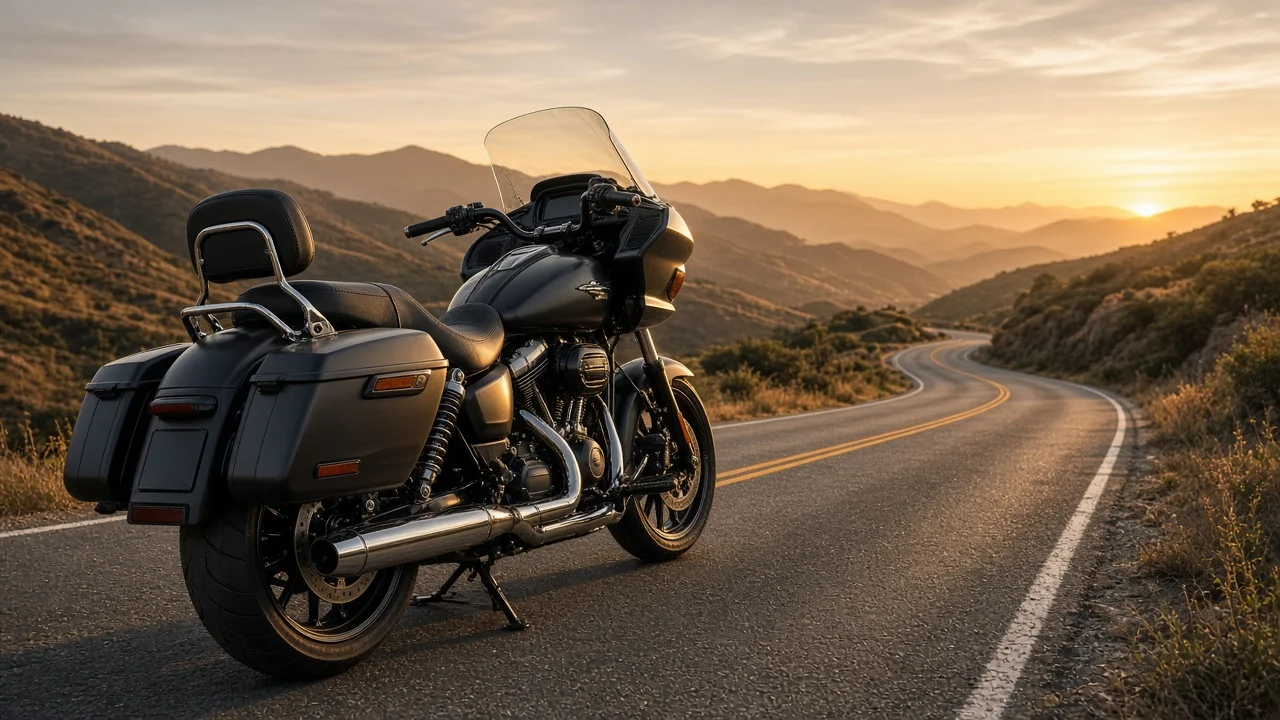
A two-person motorcycle is a bike the manufacturer has designed and approved to carry a rider and one passenger, often called a pillion. Two seats alone do not make a bike suitable. It also needs passenger footrests, a usable passenger seat, and enough load capacity to carry both people plus any luggage without exceeding the manufacturer's weight limits. The best choice depends on the combined weight you will carry, how far you plan to ride two-up, whether the rider can still control the bike comfortably with the extra load, and the passenger laws in your state.
Two conditions change the answer. If the manufacturer does not approve the model for a passenger, or if the bike has been converted to a solo seat or had its passenger pegs removed, it is not a two-person motorcycle until it is properly equipped. Even on a passenger-rated bike, the total weight of both riders, gear and accessories can exceed the load limit, which makes it unsuitable for that particular pair.
Step 1: Confirm the Bike Is Rated for a Passenger
Begin with the owner's manual for the exact model year and market version you are considering. It should state whether a passenger is permitted and give a maximum load, which is the combined weight of rider, passenger, cargo and accessories. On motorcycles sold for the US market, a certification label on the frame lists the Gross Vehicle Weight Rating (GVWR), which is the maximum allowed weight of the loaded bike, and the Gross Axle Weight Ratings (GAWR) for the front and rear axles. Equipment and limits can differ between trims and model years, so check the documentation for the specific bike rather than the model name in general.
Step 2: Do the Load Math
Add the weight of the rider and passenger in full riding gear, the weight of any luggage you plan to carry, and the weight of aftermarket accessories such as racks, cases, crash bars or a backrest. Compare the total with the manufacturer's stated maximum load. If the figure is close to or above the limit, look at a model with a higher rating. Overloading affects handling, braking, tire wear and suspension behavior.
Step 3: Check Rider Fit With a Passenger Aboard
Rider fit means how well the motorcycle suits the operator's body and ability. With a passenger on the back, the rear suspension compresses and the bike becomes heavier to hold up at a stop and to push around in a parking lot. Check these points:
Can the rider place their feet securely on the ground at a stop with the passenger seated? Can the rider hold the bike upright and steady while the passenger mounts and dismounts? Are the handlebars and controls within comfortable reach without stretching? Is the rider confident managing the bike's total weight at walking speed and in tight turns?
Step 4: Evaluate Passenger Accommodation
Passenger accommodation covers everything that keeps the person on the back secure and reasonably comfortable. Sit the intended passenger on the bike and check:
Seat size and padding: the passenger seat should be wide and long enough for the person who will use it. Footpeg position: the passenger's feet should rest naturally without the knees forced uncomfortably high. Handholds: grab rails, a strap or a backrest give the passenger something to hold when accelerating and braking. Clearance: the passenger's legs should stay clear of hot exhaust parts. Seat height difference: a much higher passenger seat can shift weight forward and upward, which some pairs find less stable.
Step 5: Match the Motorcycle Type to How You Ride
Motorcycle categories differ in how well they suit two-up riding. Individual models vary, so treat the table below as a general starting point rather than a rule.
Type | Typical passenger suitability | Points to check; Touring | Usually designed with passengers in mind; often has larger seats, backrests and luggage | Total weight and low-speed handling for the rider; Sport touring | Often a practical compromise for distance riding two-up | Passenger peg height and seat size; Cruiser | Varies widely; some have generous pillion seats, others small add-on pads | Whether a passenger seat and pegs are standard or optional; Adventure / dual-sport | Often roomy, but seats can be tall | Rider reach to the ground when loaded; Standard / naked | Varies; many can carry a passenger for shorter trips | Passenger comfort on longer rides; Sport | Passenger space is often minimal and positioned high | Passenger comfort and secure handholds
Step 6: Look at Suspension, Tires and Brakes
Extra weight changes how a motorcycle rides. Adjustable rear preload, meaning the ability to set the initial spring tension, helps keep ride height and handling closer to normal when a passenger is aboard. Many owner's manuals specify different tire pressures for solo and two-up riding, so check this for the bike you choose. A heavier load also lengthens stopping distances, so capable brakes matter, and many riders look for anti-lock brakes (ABS) where offered. Enough engine torque for comfortable acceleration and merging with the added weight is also worth confirming on a test ride.
Step 7: Check Your State's Passenger Rules
In the US, passenger laws are set by each state and differ from one to another. Rules can cover passenger seats and footrests, helmet use, and minimum passenger age. No state-specific requirements were provided for this guide, so confirm the current rules in your state's motorcycle operator manual or with the agency that licenses motorcycles. Check the rules for any other state you plan to ride through as well.
Step 8: Consider Rider Experience
Carrying a passenger changes balance, braking and cornering. A rider who is new to motorcycling, or new to a particular bike, should practice solo before taking a passenger. Some rider training courses include passenger-carrying guidance. The passenger also plays a role: they should hold on securely, keep their feet on the pegs, and lean with the rider rather than against them.
Verify Your Choice Before Buying
Before committing to a bike, run through this checklist:
The manual for the exact model year and market version confirms passenger use is permitted. Combined rider, passenger, gear and accessory weight is within the stated maximum load and GVWR. Passenger seat, footrests and handholds are fitted and in good condition. The rider can hold the bike steady at a stop with the passenger aboard. Suspension preload and tire pressures can be set for two-up riding as the manual specifies. You have confirmed your state's passenger requirements. If the seller allows it and it is safe and legal, you have ridden the bike two-up, or at least sat on it together, before buying.
What This Guide Does Not Cover
No confirmed model-specific information was available for this guide. It contains no recommendations for particular motorcycles, no prices, no load ratings and no state-by-state legal details. Use the steps above with the manufacturer documentation for any bike you are considering and with your state's official rules.