Choosing a Harley-Davidson for Riding with a Passenger
The Short Answer
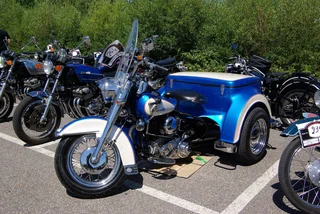
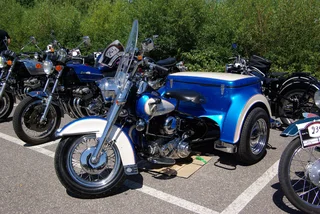
If you plan to ride regularly with a passenger, a Harley-Davidson from the Grand American Touring family (bikes such as the Road King, Street Glide, Road Glide and Ultra-style models) is usually the most comfortable starting point. These bikes typically combine a proper two-up seat, passenger floorboards or footrests, luggage capacity and a chassis designed to carry more weight. If the bike will spend most of its time with one rider and only take short passenger trips, a cruiser from the Softail range can work well, provided the specific model has, or can be fitted with, a passenger seat, footpegs and preferably a backrest. If the passenger has balance or mobility concerns, or the rider is uneasy managing a heavy two-wheeler at walking pace, a Harley-Davidson trike deserves a look.
Two conditions change this answer more than anything else: how long your typical ride with a passenger will be, and how much the rider, passenger and luggage weigh together. Lineups, standard equipment and ratings change by model year and market, so every check below should be tied to the exact bike you are considering, not to the model name alone.
What Makes a Harley Good for Two-Up Riding
A motorcycle that suits a passenger has to work for two people at once. The rider needs stable handling, enough power and braking with extra weight, and comfortable control at low speed. The passenger needs a seat with real padding and room, somewhere secure to put their feet, something to hold or lean against, and protection from wind. The following features matter most.
Passenger seat: a dedicated pillion section with enough length and width for the passenger to sit without sliding into the rider. A thin pad or a solo seat with a bolt-on pillion is acceptable for short trips, not long ones. Passenger foot support: floorboards let a passenger shift their feet on longer rides; footpegs are fine for shorter outings. Their position affects knee angle and comfort. Backrest or top case: a backrest (sissy bar pad) or a passenger-side backrest on a top case makes a large difference to how secure and relaxed a passenger feels. Grab points: handholds or a grab strap help the passenger brace during braking and acceleration. Rear suspension adjustability: the ability to add preload, the initial compression set on the rear springs, lets you restore ride height and ground clearance when carrying a second person. Load capacity: the motorcycle's rated maximum weight limits how much rider, passenger and luggage it can safely carry. Wind protection and luggage: a fairing or windshield and hard or soft bags make longer two-up rides practical.
How the Main Harley-Davidson Families Compare for Passengers
The table summarizes general tendencies of each family. Equipment varies by model, trim and model year, so treat it as a way to narrow your shortlist rather than as a specification sheet.
Family | Typical passenger setup | Strengths with a passenger | Trade-offs; Grand American Touring (Road King, Street Glide, Road Glide, Ultra-style models) | Two-up seat, passenger floorboards, saddlebags; some trims add a top case with backrest | Built to carry two people and luggage; adjustable rear suspension on many versions; wind protection on faired models | Heavy and large; more effort at parking speeds; higher purchase and running costs; CVO (limited-production versions of Touring and other models) | Usually based on Touring models with upgraded finishes and equipment | Similar two-up ability to the base model with more standard features | Highest cost; parts and finishes can be model-specific; Softail cruisers (for example Heritage Classic and similar) | Varies widely: some have a dual seat and passenger pegs, others ship with a solo seat | Lighter and lower than Touring bikes; easier to handle; some models include bags and a windshield | Less suspension travel and luggage on many models; passenger comfort depends heavily on accessories; Sportster family (current and earlier) | Often a solo seat as standard; passenger seat and pegs may be accessories | Light and manageable; good for short trips | Limited passenger room and suspension capacity; generally not suited to long two-up touring; Adventure Touring (Pan America) | Dual seat and passenger pegs; luggage options | Upright layout, long-travel suspension, good for mixed roads | Tall seat height; a different riding style from traditional cruisers; Trikes (Tri Glide, Freewheeler and similar) | Touring-style passenger seat and support | No need to balance at stops; reassuring for nervous passengers and riders | Different handling and skills from a two-wheeler; wider; may require a specific license endorsement depending on your state
Checks to Make Before You Commit
Identify the exact model, year and trim
Model identification comes first because nearly everything else depends on it. Harley-Davidson model names have been reused across many years, and the same name can cover different frames, engines and equipment. Use the vehicle identification number (VIN) and the model code on the title or registration to confirm the model year and version. This determines which seats, backrests, racks and suspension parts fit, and which service specifications apply.
Confirm the load capacity
Every motorcycle has a gross vehicle weight rating (GVWR), the maximum allowed weight of the bike plus everything on it. On US-market bikes this rating normally appears on a label attached to the frame, often on the steering head. Subtract the bike's weight with fluids to find how much you can carry, then add up the realistic weight of rider, passenger, riding gear and luggage. If the total is close to the limit, choose a model with more capacity rather than relying on suspension adjustment. Running at or over the limit affects braking, handling, tire wear and ground clearance.
Check suspension adjustment
Adding a passenger compresses the rear suspension. Without more preload, the bike sits lower, scrapes earlier in corners and can bottom out over bumps. Find out how the rear preload is adjusted on the specific model: some use a hand knob, some need a tool, and some earlier Touring models use air-adjustable shocks. Easy adjustment matters if you switch between solo and two-up riding often. The owner's manual for that model year gives the recommended settings and tire pressures for different loads; follow those rather than general advice.
Sit on it together
A two-up test, even a stationary one, reveals more than any specification. With the passenger seated, the rider should check that they can still hold the bike upright with both feet down, reach the handlebars and controls comfortably, and lift the side stand without strain. The passenger should check knee bend on the footrests or floorboards, whether their helmet hits the rider's helmet, whether they have something to hold, and whether the seat feels secure rather than sloped forward.
Test ride with a passenger if possible
Many dealers and rental outlets allow demo or rental rides; where they permit a passenger, take one. Pay attention to low-speed balance in tight turns, stopping and starting on a slope, how the bike responds to the passenger shifting weight, braking feel, and whether the engine pulls comfortably from low speeds in higher gears with the extra load. If a two-up test ride is not allowed, renting the same model for a day is a sensible step before buying.
Engine, drive and brakes
Most Harley-Davidson road models use a large-displacement V-twin engine configuration, which produces strong low-speed pulling power that suits carrying a passenger. Larger engine options within a family make highway passing easier when fully loaded, but they are not essential for local two-up riding. Most road models use a belt final drive, which is quiet and needs little routine attention, though belt condition and tension should be checked. Pan America models differ in drive system and engine design, so check their service specifications separately. Brakes matter more with two people aboard: confirm whether the specific bike has ABS, and whether it has linked braking or other rider aids, which vary by model and year.
Riding controls and rider fit
The rider's own fit still matters. Check reach to the handlebars, clutch lever effort, foot control position and seat height. A heavy bike that already feels marginal for the rider alone will feel harder with a passenger, especially at walking pace and on uneven ground. Seat, handlebar and foot control changes can improve fit, but they add cost and should be priced before you buy.
Condition Checks on a Used Bike
A bike that has often carried two people and luggage may show more wear in certain areas. When assessing a used Harley for passenger use, look closely at the following.
Rear shocks: leaks, weak damping or air shocks that do not hold pressure. Tires: age and tread depth, especially uneven wear on the rear tire. Brakes: pad thickness, rotor condition and fluid age. Final drive belt: cracks, missing teeth, stone damage and pulley wear. Seat: compressed foam or torn covers, particularly on the passenger section. Passenger hardware: loose or bent backrest mounts, racks, footpegs and floorboards. Aftermarket changes: lowered suspension reduces travel and clearance, which works against two-up riding; altered exhausts, intakes or engine tuning should come with records. Service history: records showing routine servicing at the intervals in the model's service specification.
Total Cost of Riding Two-Up
The purchase price is only part of the cost. Budget for any passenger accessories the bike lacks, such as a pillion seat, footpegs or floorboards, a backrest, a top case or luggage, and an intercom for communication between rider and passenger. Expect to buy riding gear and a helmet for the passenger as well. Carrying extra weight generally increases tire and brake wear, so consumables may need replacing sooner. Insurance costs vary by model, rider and state, and some policies treat passenger coverage differently, so get a quote for the specific bike before committing.
When comparing prices, compare like with like: the same market, the same model year and trim, and the same included items such as accessories, taxes and dealer fees. An advertised price is not the same as the price a bike actually sold for, so treat listing prices as a starting point for negotiation rather than a measure of value.
Accessories and Equipment Compatibility
Passenger accessories are one of the most common ways to adapt a Harley, but equipment compatibility depends on the frame, the model family and often the model year range. A seat, backrest or rack made for one Touring generation may not fit another, and Softail parts generally differ from Touring parts. Before buying an accessory, confirm the fitment range using your VIN or exact model code. Detachable backrests and racks that use docking hardware let you switch between a clean solo look and full passenger setup, but the hardware itself must match the bike.
If a bike needs many accessories to become passenger-friendly, compare the combined cost against a model that already includes them. A Touring bike with factory passenger equipment can work out better value than a cruiser that requires a long list of add-ons.
Which Option Fits Your Priorities
Regular long trips with a passenger and luggage: a Grand American Touring model with a top case and passenger backrest, or a CVO version if the budget allows. Mostly solo riding with occasional short passenger rides: a Softail cruiser that has a dual seat and passenger pegs as standard, or one with a confirmed passenger kit available. A lighter, easier bike for short two-up outings: a Sportster-family model with an added passenger seat and pegs, accepting limited comfort and capacity. Two-up riding on mixed or rough roads: an Adventure Touring model, provided both people are comfortable with the taller seat height. A nervous passenger, a passenger with limited mobility, or a rider concerned about balancing a heavy bike: a trike, after checking licensing requirements in your state. Tight budget: a well-maintained used Touring model with service records, rather than a newer bike that needs extensive passenger accessories.
A Sensible Next Step
Narrow your choice to one or two model families based on how far and how often you will ride together. Then, for each bike on your shortlist, confirm the exact model year and trim from the VIN, check the weight rating against your combined load, find out how the rear suspension is adjusted, and sit on the bike with your passenger. Finish with a two-up test ride or a rental before you buy. If both of you are still comfortable after an hour in the saddle, you have found a strong candidate.