What Is a Walk-Away Lock Feature?
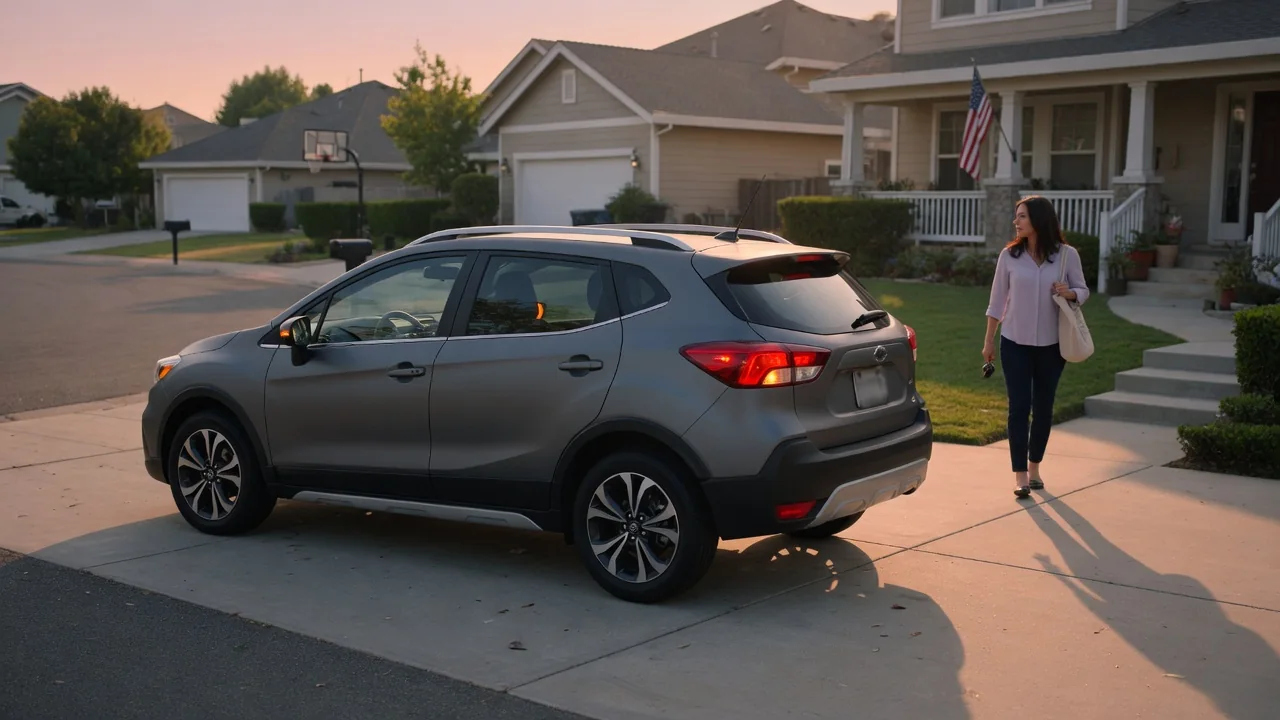
Anyone asking what is a walk away lock feature is usually describing a car that secures itself once the driver leaves with the key. The vehicle senses that the key fob or paired phone has moved out of range, locks the doors without a button press, and signals that it has done so. How it behaves depends heavily on the manufacturer and the settings chosen.
Detection range
Walk-away locking depends on the car knowing roughly where the key is. Vehicles with passive entry use antennas in the door handles, cabin, and rear body to exchange short-range radio signals with the fob. Some newer systems use Bluetooth or ultra-wideband with a phone acting as the key. When all doors are closed and the signal weakens or disappears beyond a set boundary, the body control module treats the driver as gone and commands the locks. The boundary is a zone around the vehicle, not a precise line.
In practice, the trigger distance is short, typically a few steps from the car, though the actual figure differs by brand and is not always published. Drivers may notice that the car locks sooner when walking away from the rear than from the driver's door, because antenna placement shapes the coverage. A weak fob battery, a phone in a thick case, or a key buried in a bag with other electronics can change how the signal reads. The owner's manual is the reliable source for a specific vehicle.
Confirmation
Because the driver is facing away when the lock happens, feedback matters. Most vehicles confirm with some combination of a horn chirp, an audible beep from an exterior sounder, a flash of the turn signals, and power mirrors that fold inward. Mirror folding is especially useful because it can be seen from across a parking lot long after the sound has faded. Some cars also send a notification through the manufacturer's phone app, showing lock status without the need to walk back and pull a handle.
Confirmation signals are often adjustable. Many infotainment menus allow the audible chirp to be turned off while keeping the lights, which suits quiet neighborhoods and late arrivals. That choice has a cost, since a silent lock is easy to miss in bright daylight when the lamps are hard to see. A different pattern, such as repeated beeps or a longer horn tone, usually means the car declined to lock and wants attention. Learning the normal signal makes that warning pattern easy to recognize.
Exceptions
The feature is designed to hold back in certain situations. If a door, the hood, or the liftgate is not fully latched, most systems will not lock and may sound an alert instead. Many vehicles also refuse to lock when a second key is detected inside the cabin, which prevents a fob from being locked in a cup holder or a jacket left on the seat. Some will not arm if the vehicle is still running or in a ready state, although this logic varies between manufacturers.
Other exceptions come from the environment rather than the car's design. Strong radio interference near transmitters, some parking structures, or other electronics can disrupt key detection, causing either a delayed lock or none at all. Standing close to the vehicle while loading groceries or washing it keeps the key within range, so nothing happens until the driver actually leaves. Certain models pause the feature after repeated nearby approaches to save battery power. A passenger remaining inside is another case where behavior differs and should be checked for the specific vehicle.
Everyday Use and Observations
Day to day, the feature removes one small task from parking. The driver shuts the door, walks toward the store, and hears or sees the confirmation within a few seconds. It works well for people carrying children, bags, or tools, when reaching for a fob button is awkward. Returning to the car is usually handled by the matching passive entry function, where touching the handle or simply approaching unlocks the door. Together, these two behaviors mean the key can stay in a pocket for the entire trip.
Regular use also reveals a few habits worth forming. Glancing back for the light flash or folded mirrors takes a moment and catches the occasional missed lock. At a fuel pump, the car may lock when the driver steps toward the store and unlock again on return, which is normal. At home, a key stored close to a garaged or driveway-parked vehicle may keep the system from locking or cause repeated wake-ups, so many owners keep fobs well away from the vehicle overnight.
Limits and Next Steps
Walk-away locking is a convenience, not a guarantee. It assumes every door is latched, the key signal behaves as expected, and nothing interrupts the sequence. Relying on it without watching for the confirmation can leave a car unlocked after a liftgate fails to close fully or interference blocks detection. Keyless systems in general are also a known target for signal relay theft, where criminals extend the fob's signal, so storing keys away from exterior walls and using any fob sleep function the manufacturer provides are sensible precautions.
For anyone unsure whether a vehicle has the feature, the settings menu under locks or vehicle options is the first place to look, followed by the owner's manual. It is often disabled from the factory and must be switched on. If it worked before and has stopped, a fresh fob battery and a check that all closures latch properly are reasonable first steps. Persistent failures or warning messages deserve a dealer or qualified technician, since the cause may lie in an antenna, a door latch sensor, or software.