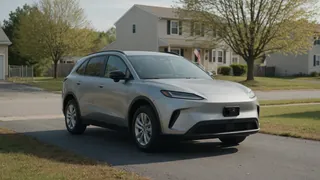
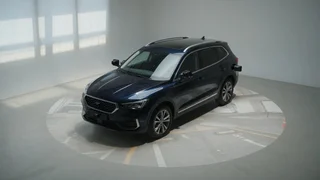
Car surround view camera system
A car surround view camera system turns several wide-angle camera feeds into a single overhead-style picture of the vehicle and its immediate surroundings. Drivers researching this technology usually want to understand how the image is assembled, why coverage matters, and how it helps during parking or low-speed maneuvering. Instead of relying on mirrors and direct sightlines alone, the system combines lens position, view coverage, image stitching, display interface, camera calibration, and wiring connection into one cohesive aid that reduces blind spots around the vehicle.
Essential answer
A car surround view camera system is a driver-assistance setup that presents a top-down or composite view of the area near all four sides of a vehicle. It typically uses small wide-angle cameras mounted at the front, rear, and under each side mirror, then digitally blends those feeds into a single display. The result is meant to make curbs, parking lines, pillars, and nearby objects easier to see when moving slowly through tight spaces.
The value of the system depends partly on correct camera calibration and consistent image stitching. If the individual views are not aligned, the overhead picture can show distorted seams or misplace an object, so drivers should treat the display as an aid rather than a complete replacement for looking around. Coverage gaps can still exist near very low obstacles or just beyond each lens position, especially in poor lighting or when the cameras are dirty.