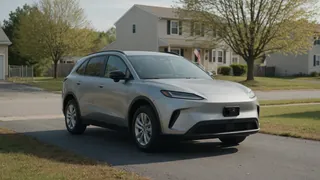
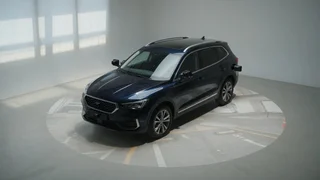
Best car surround view camera
Shopping for the best car surround view camera usually means comparing how a system helps you see close obstacles that mirrors cannot show. A strong setup combines wide-angle lenses, careful software blending, and a clear display, so the driver gets a useful overhead image rather than four disconnected feeds. This guide explains the relevant entries by looking at lens position, image stitching, camera calibration, view coverage, wiring connection, and the display interface that makes the final picture easy to read during low-speed parking and tight maneuvers.
Relevant entries
A factory-style surround view camera system earns a place in this selection when it produces one coherent top-down image from separate front, rear, and side-mounted cameras. The most relevant designs place wide-angle lenses in the grille, tailgate, and under each mirror housing, because those positions capture the pavement edges around all four corners. Without that arrangement, blind zones remain near the wheels and bumpers, which is exactly where parking damage occurs. A relevant entry must therefore reduce the gap between individual camera views and create a useful boundary around the whole vehicle.
The second factor is how cleanly the control module blends the separate video signals. Even well-positioned lenses can create confusing seams if the image stitching is poor, so the best systems adjust brightness, perspective, and overlap between adjacent cameras. Calibration after installation matters because small changes in tire pressure, suspension height, or camera mounting angle can shift the overhead picture. When a unit offers a straightforward calibration routine and stable wiring connection to the infotainment display, it is more useful for judging curbs, posts, and painted stall lines than a generic multi-camera kit.