What Is an Automatic Door Lock Feature?
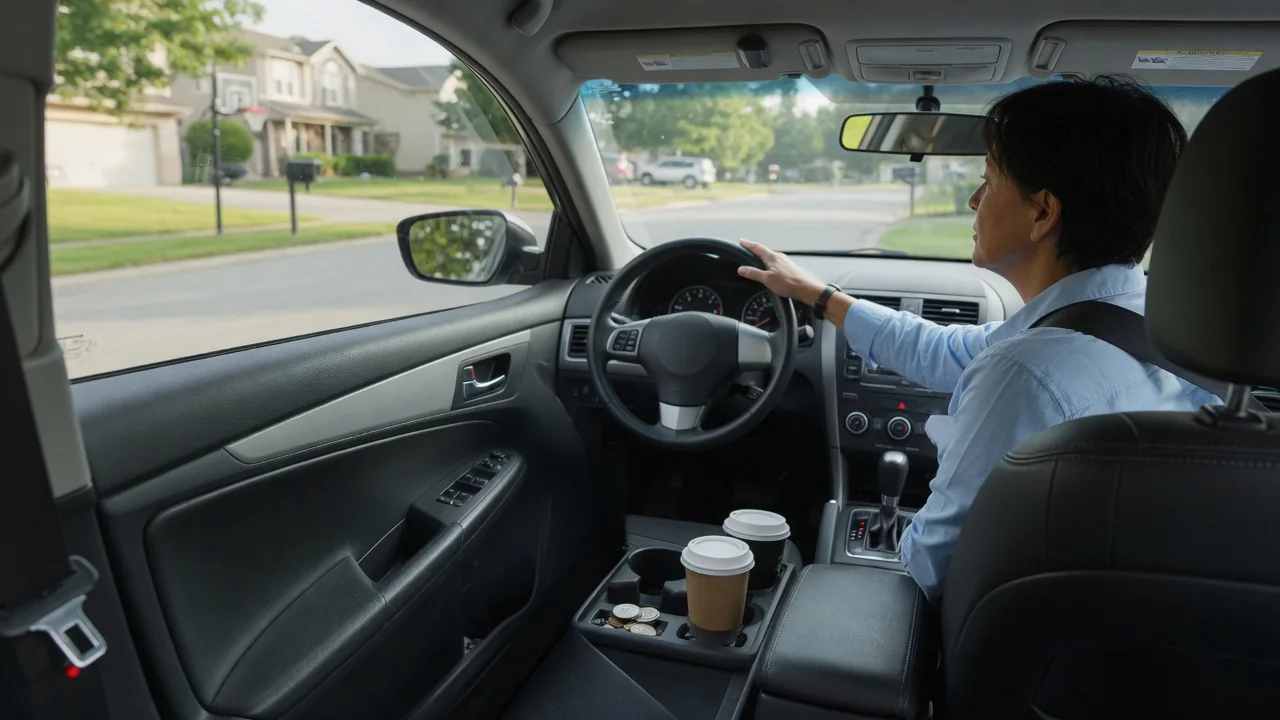
Many drivers hear a click shortly after pulling away and wonder what is an automatic door lock feature and why it acts without being asked. In simple terms, it is a convenience and security function that locks the doors when the vehicle reaches a set speed or when the transmission leaves Park, and often unlocks them again when the trip ends.
Activation
Automatic locking is triggered by a signal the vehicle already monitors. On speed-based systems, the body control module watches the vehicle speed signal and commands the lock actuators once the car passes a programmed threshold, usually a low speed reached within the first moments of driving. On shift-based systems, the trigger is the gear selector: moving out of Park into Drive or Reverse sends the lock command before the wheels have turned. Some vehicles offer one method, while others let the owner choose between them.
What you observe is straightforward: a brief mechanical thunk from all doors, lock knobs or indicators changing position, and sometimes a light on the lock switch. Most systems require every door to be fully closed and the ignition on before they act, so a door left ajar can prevent the lock event. The reverse behavior, automatic unlocking, is commonly tied to shifting back into Park, switching off the ignition, or opening the driver's door, depending on how the manufacturer designed the logic.
Manual override
Automatic locking does not remove the driver's control over the doors. The power lock switch on the door panel or console still works, so pressing unlock while stopped in traffic releases the doors on most vehicles. On many designs, pulling the interior door handle also overrides the lock mechanically, sometimes with one pull and sometimes with two, so occupants are not trapped. Rear doors with child safety locks engaged are a separate matter, because that mechanism disables the inside handle regardless of lock state.
After a manual unlock, behavior differs by vehicle. Some speed-based systems lock only once per drive cycle, so doors unlocked at a traffic light stay unlocked until the ignition is cycled or a door is opened and closed. Others relock as soon as the speed threshold is crossed again. Shift-based systems may relock the next time the selector leaves Park. Watching what happens after dropping off a passenger is a simple way to learn which pattern your own vehicle follows.
Setting checks
On many vehicles the feature is adjustable rather than fixed. The usual places to look are the vehicle settings menu in the infotainment screen or the instrument cluster menu operated from the steering wheel, under headings such as doors, locks, or convenience. Choices may include locking by speed, locking on the shift out of Park, or switching the function off, with separate options for whether all doors or only the driver's door unlock. Older vehicles sometimes rely on a key and switch sequence described in the owner's manual.
When doors stop locking on their own, the setting deserves the first look before any part is suspected. A previous owner may have disabled it, a battery disconnection or software update may have restored defaults, or the preference may be stored against a particular key fob or driver profile. Confirm the selection in the menu, then take a short drive with every door properly shut. Because menu names and available options change with make, model year, and trim, the owner's manual remains the dependable reference.
Everyday Use and Observations
In daily driving, the two trigger styles feel different. With shift-based locking and unlocking, pulling up at a school or a curb and selecting Park releases the doors, so passengers step out without anyone reaching for a switch. With a speed-based setup, the doors stay locked while you wait in Drive with your foot on the brake, and the driver must press unlock for someone to get in. That locked state at intersections and in parking lots is the main security benefit owners notice.
Consistency is the thing to watch. A healthy system locks at about the same point on every trip, with all doors responding together. If one door stays unlocked while the others click, the pattern points toward that door's actuator, latch, or wiring rather than the automatic function itself, though it still needs proper testing. Very cold weather can make actuators sound slower, and a lock event that happens only intermittently often traces back to a door the vehicle believes is not fully closed.
Limits and Next Steps
The feature has clear boundaries. It is not an alarm or immobilizer, and it does not lock the car when you walk away, which is a separate passive or walk-away locking function on vehicles that have one. It also does not replace child safety locks for young rear passengers. Because it depends on inputs such as the speed signal, gear position, and door ajar switches, a problem with any of those can stop the locks from cycling even though the actuators themselves work normally.
If the behavior changes and the settings are correct, note exactly when it fails, whether a door ajar warning appears, and whether the manual lock switch still operates every door. Those details help a technician who can view body control module data and command the locks with a scan tool. Any stored fault code is a clue about a circuit or signal, not proof that a component has failed, and manufacturer-specific codes need vehicle-specific service information before a repair decision is made.