Why Does a Car Have an Automatic Door Close Feature?
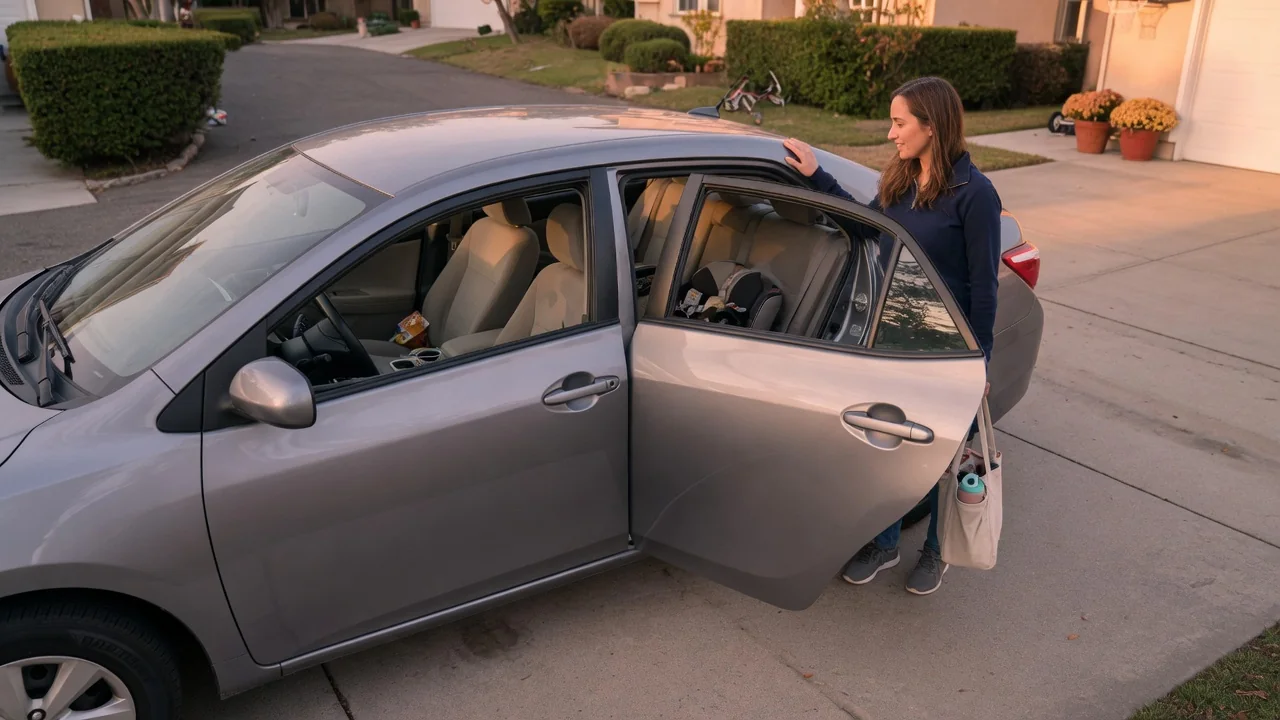
Why does a car have an automatic door close feature? The short answer is that modern doors and tailgates seal tightly, and pulling them fully shut by motor is gentler and more reliable than slamming. This powered pull-in, often called soft close or power cinching, finishes the last few millimeters of travel so the latch engages completely every time.
Latch operation
A conventional door latch has two engagement positions on the striker: a first, partial catch and a second, fully latched position. In a manual door, the momentum of your push carries the latch through both. With powered pull-in, you only need to bring the door to the first catch. A sensor in the latch detects that position, and a small electric motor, working through a gear set or cable, draws the latch claw around the striker until the door sits fully home against its seals.
Tailgates and liftgates use the same principle, usually with a cinching latch at the bottom edge that pulls the panel down after the struts or power spindles have lowered it. You can often hear a brief whirring sound and see the panel move inward slightly as the seal compresses. Some vehicles place the motor inside the latch itself, while others mount it remotely in the door or body. The layout, sounds, and timing differ between manufacturers, so the owner's manual is the best description of your particular system.
Obstructions
Because the cinching motor must overcome stiff weatherstrips, it produces considerable force over a short distance. That makes anything caught in the gap a real concern. A seat belt tongue, a coat hem, a grocery bag strap, or a fingertip resting on the door edge can sit right where the panel is being pulled in. Many power tailgates include pinch strips or motor load monitoring that reverse the main closing motion, but the final cinching stage may not offer the same protection on every vehicle.
The practical habit is to treat the last moment of closing as a keep-clear zone, particularly with children around rear doors and liftgates. If an object stops the door before the first catch, the system typically will not activate at all, and you may see a door ajar warning on the instrument cluster. Ice buildup, a displaced seal, or cargo pressing against a tailgate can produce the same result. How the vehicle responds, whether by reversing, stopping, or sounding a chime, depends on its design and should be checked in its documentation.
Service
Powered pull-in adds a motor, position switches, wiring, and sometimes a control module to each latch, so there are more parts that can wear or drift out of adjustment. Common symptoms include a door that stays at the first catch, a latch that cycles repeatedly, a grinding or clicking noise, or a tailgate that lowers but never pulls tight. These signs point toward the closing system generally, not toward one particular component, since a weak battery, a misaligned striker, or damaged wiring in the door hinge area can all look alike.
A technician will usually begin by reading stored fault codes and watching the latch switch signals with a scan tool. Any code found is a starting point for testing rather than proof that a latch or motor has failed, and many body codes are manufacturer specific, so their meaning needs to be confirmed for the exact vehicle. Striker alignment, seal condition, and supply voltage are checked before parts are replaced. Latch work inside a door often sits near airbag and window components, which is a good reason to leave it to a qualified shop.
Everyday Use and Observations
In daily driving, the feature mostly shows itself by what you no longer have to do. A light push is enough, which helps in tight parking spaces, on a slope where a heavy door resists you, or when a passenger closes a door too gently. Frameless windows, thick acoustic seals, and well-sealed cabins trap air and raise closing effort, so manufacturers use cinching to guarantee a full latch without a slam. A properly closed door also means less wind noise, fewer water leaks, and no interior light left draining the battery.
It is worth learning what normal looks like on your own car. Notice the sound and the slight inward movement, and note whether every door behaves the same way. Slamming a soft close door is unnecessary and adds stress to the latch mechanism, while closing it too softly may leave it short of the first catch. On a power tailgate, watch that it finishes with the panel flush to the body and the warning light off. Changes in sound, speed, or final fit are useful early clues.
Limits and Next Steps
An automatic door close feature is a convenience and sealing aid, not a safety device. It does not swing the door shut from wide open unless the vehicle also has fully powered doors, and it cannot compensate for a bent hinge, a shifted striker, or a swollen seal. In very cold weather, frozen seals can prevent the door from reaching the catch point. Low battery voltage may disable the function, although doors with this feature can still be closed manually with a firm push, as designed.
If the system stops working, first confirm the basics: nothing is trapped in the opening, the seals are seated, and the feature has not been switched off in a settings menu, where such an option exists. Check that the door ajar warning clears before driving, because an incompletely latched door or tailgate should never be trusted on the road. If the problem persists or the latch behaves erratically, have it inspected, and bring a description of when it happens, since intermittent faults are easier to trace with good observations.