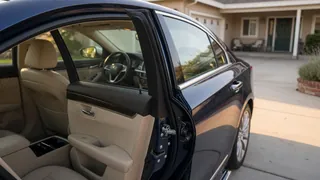
Soft Close Car Door Hinges
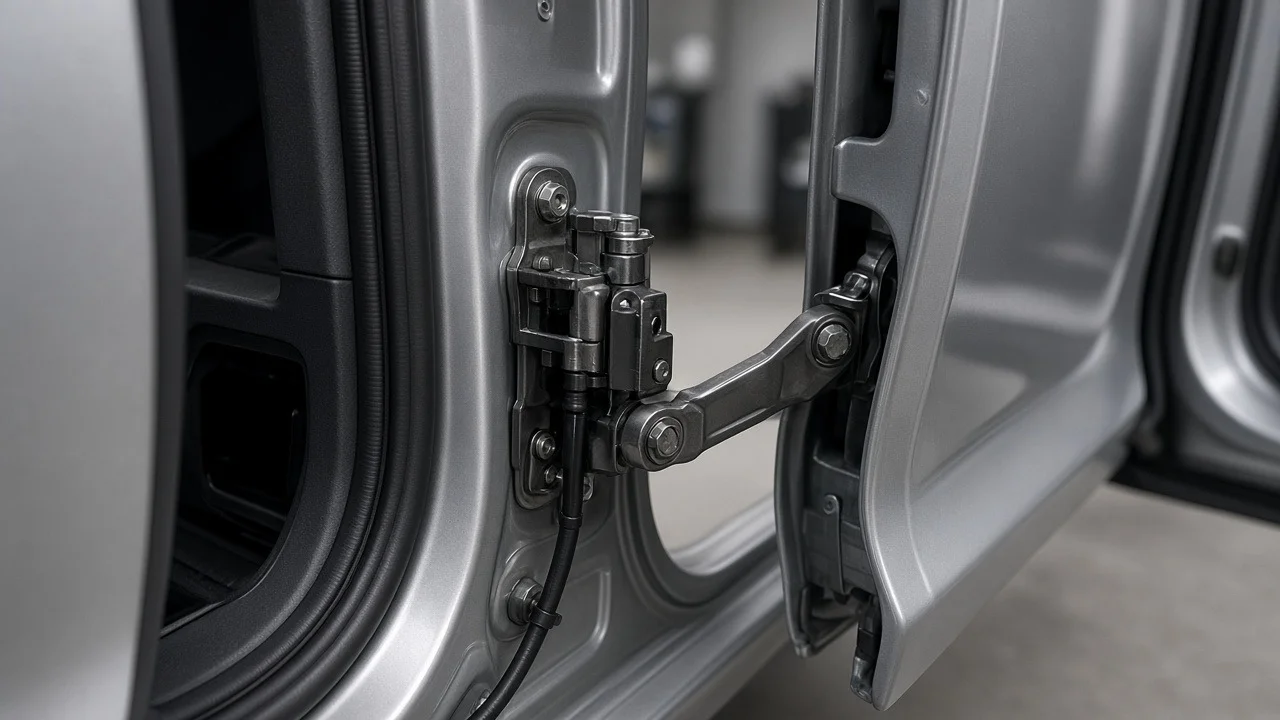
A soft-close feature can make a vehicle feel noticeably more refined, especially when passengers are used to slamming doors. The term “soft close car door hinges” often describes a broader door-assist system more than the hinge itself. The hinge pivots and supports the door, while the latch, actuator, and alignment work together to pull the panel gently shut. Understanding this distinction helps owners diagnose noise, resistance, or incomplete closing. The following overview explains how the system operates, what the hardware does, and where the hinge fits into the larger mechanism.
Essential answer
Soft-close door hardware does not rely on a special hinge to absorb the final closing force. The hinge controls swing geometry and supports the panel, but the powered pull-in action happens at the latch and actuator. When the door reaches the secondary latch position, the system draws it tightly against the weather seal. This reduces the need for a hard push and creates the familiar quiet, secure closure.
A conventional hinge can still be part of the diagnosis if a soft-close door binds, sags, or changes gap spacing. Worn hinge bushings or misaligned hinge bolts can alter the door’s path and make the latch struggle to capture the striker. In that situation, the hinge affects operation indirectly. Service usually focuses on latch synchronization, actuator condition, and panel alignment rather than replacing the hinge first.