Understand limp mode in a vehicle
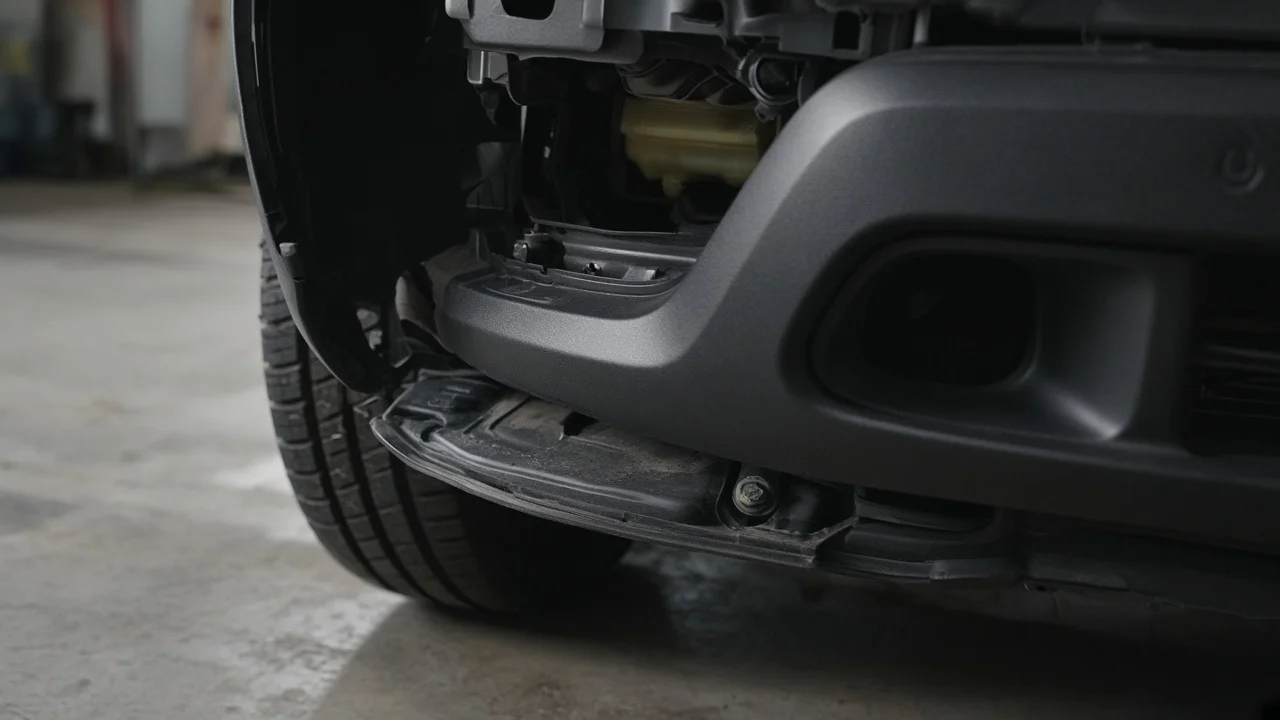
A vehicle that suddenly loses normal acceleration and refuses to shift properly may have entered limp mode in vehicle protection. This condition is a deliberate response by the engine control module when sensor input falls outside expected ranges. Instead of allowing damage to continue, the computer restricts throttle control and limits speed. The result is reduced power, often accompanied by warning lights and a stored diagnostic trouble code. Understanding this protective operating mode helps a driver distinguish a serious failure from an electronic precaution and decide how to respond safely.
Essential answer
Limp mode is a fail-safe operating strategy triggered by the engine control module when a critical condition makes normal operation risky. The vehicle does not simply shut down; it switches to a restricted performance map that reduces available torque, often holds the transmission in a single gear, and limits engine speed. This prevents further heat, pressure, or mechanical loading from harming the powertrain while still allowing the driver to pull over or travel a short distance at low speed. The condition is not a defect by itself but a visible reaction to an underlying signal problem.
When the control unit enters this protective mode, it usually stores a diagnostic trouble code that identifies the circuit or system involved. A faulty throttle position sensor, a transmission pressure switch, or an engine temperature signal can all be interpreted as threats worthy of reduced output. Because different manufacturers use different trigger thresholds and fallback maps, the exact behavior may vary between models. A stored code points toward the area requiring diagnosis rather than proving that a specific component has failed.