What Is a Drive Mode Selector?
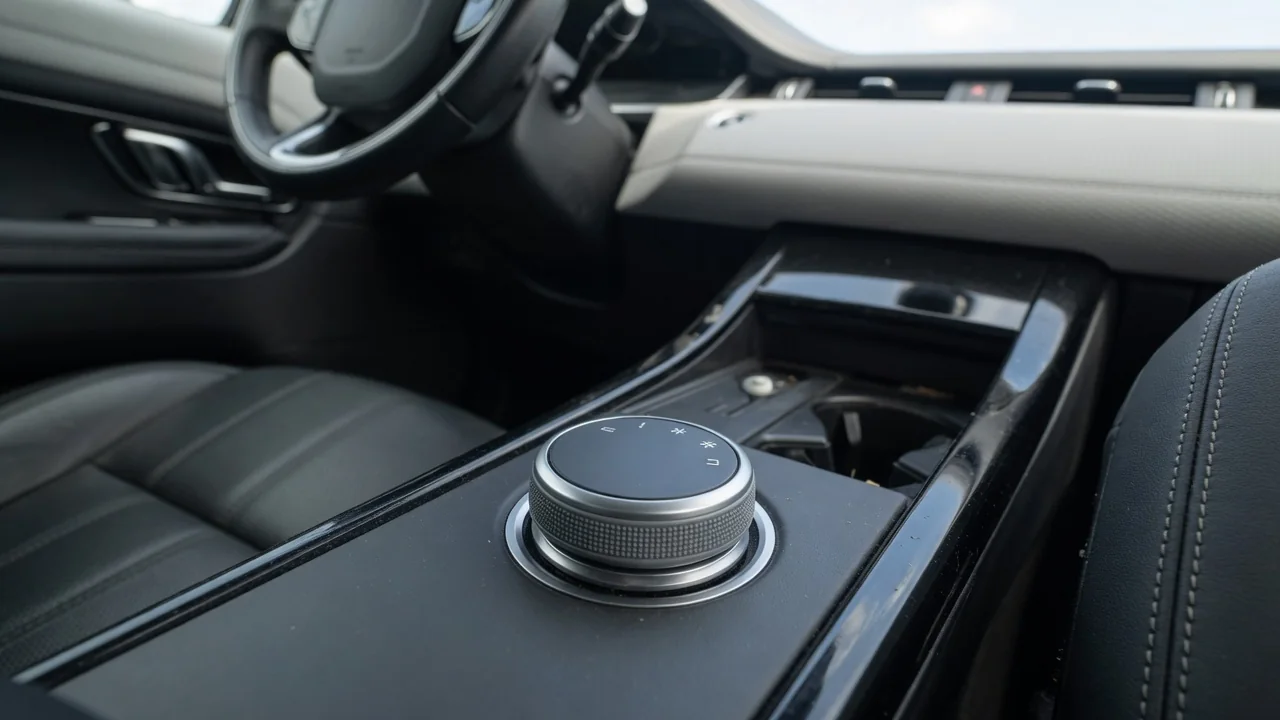
Drivers who ask what is a drive mode selector are usually looking at a dial, button, or touchscreen menu labeled with names such as Eco, Comfort, Sport, or Snow. The control lets the driver choose a preset profile that changes how several vehicle systems respond at once, so the same car can feel relaxed on a commute and sharper on a winding road.
Systems affected
A drive mode selector does not add power or change hardware; it tells the vehicle's control modules to use a different set of calibrations. The most common target is throttle mapping, which determines how much engine or motor response a given amount of pedal travel produces. Automatic transmissions are usually included as well, with a sportier profile holding lower gears longer and an economy profile shifting up earlier to keep engine speed down. Many vehicles also adjust electric power steering assistance, so the wheel feels lighter or heavier.
Beyond those basics, the list depends heavily on how the vehicle is equipped. Cars with adaptive dampers or air suspension may firm up or soften the ride, and all-wheel-drive models can change how torque is shared between axles. Stability and traction control thresholds, climate control output, active exhaust valves, and the instrument cluster layout may follow the selected profile too. Hybrids and electric vehicles often alter regenerative braking strength or how readily the engine starts. A base trim may change only two or three of these, while a higher trim changes many.
Mode memory
Mode memory describes what the vehicle does with your selection after the ignition is switched off. Some vehicles return to a default profile, often called Normal or Comfort, at every start. Others remember the last mode used and restore it the next time the car is started. The difference is deliberate: a default restart keeps behavior predictable for every driver, and it can also reflect the conditions under which the vehicle's fuel economy and emissions figures were established, so manufacturers often prefer the car to begin in that baseline state.
Memory can also be selective. A vehicle might retain an economy setting across restarts but drop a sport or off-road profile, or it may reset traction-related modes while keeping steering and suspension preferences. Models with a customizable Individual or Custom profile commonly store those choices, sometimes linked to a driver profile or a specific key. You can check your own vehicle easily: choose a non-default mode, switch the car off, restart it, and see which mode the display shows. Repeating that with each profile reveals which ones persist.
Read the vehicle guide
Mode names are not standardized, so the owner's manual is the only reliable description of what each profile does in your vehicle. A Sport label on one car may change only throttle and shift behavior, while the same word on another also alters suspension, steering, and stability control. Names like Snow, Slippery, Trail, Tow/Haul, and Track carry specific intentions that the manual spells out, including which systems are affected and the conditions the manufacturer designed each mode around. Reading that section removes guesswork about what a button press actually changes.
The guide also covers the conditions attached to each mode. Some profiles can be chosen only below a certain speed, with the vehicle stopped, or with a particular gear or drive range selected, and a mode may be unavailable when a related system reports a fault. Manuals typically explain what the indicator lights and messages in the cluster mean, how to build a custom profile, and whether settings are saved. Since equipment varies by trim, model year, and market, confirm that the description matches the features your particular vehicle actually has.
Everyday Use and Observations
In daily driving, the changes are easy to notice once you know where to look. An economy profile typically makes the accelerator feel softer, encourages early upshifts, and may reduce air conditioning effort, which suits steady traffic and highway cruising. A comfort or normal profile balances response and smoothness for mixed use. Selecting a sport profile usually brings quicker pedal response, higher engine speeds before each shift, firmer steering effort, and sometimes a stiffer ride or louder exhaust note. The instrument cluster often changes color or layout to confirm the selection.
Matching the mode to the situation is where the selector earns its place. A snow or slippery profile commonly softens throttle response and adjusts traction control so the tires are less likely to spin when pulling away on a slick surface. Towing profiles tend to hold gears longer on grades and use more engine braking on descents. Expect trade-offs as well: sharper modes generally use more fuel or battery energy, and economy modes can feel sluggish when merging. Trying each profile on a familiar route is the best way to learn your vehicle's character.
Limits and Next Steps
A drive mode selector changes how systems are calibrated, not what the vehicle is physically capable of. No profile shortens stopping distances on ice, makes up for worn tires, or raises towing and payload ratings. Sport settings do not increase the engine's fundamental output in most vehicles; they mainly change how quickly that output is delivered. Modes that relax stability or traction control intervention reduce an electronic safety margin, so they belong in the conditions the manufacturer describes. Tires, brakes, road surface, and driver judgment still set the real limits.
If a mode will not engage, drops back to the default on its own, or produces no noticeable change, start by checking the conditions listed in the owner's manual, since speed, temperature, or gear selection can block a profile. A warning light or message that appears alongside the problem suggests a related system has disabled the feature. Any stored fault code is a starting point for diagnosis, not proof that a specific part has failed, and many are manufacturer-specific. A qualified technician with vehicle-specific information can confirm the actual cause.