What Is a Hybrid EV Mode Button?
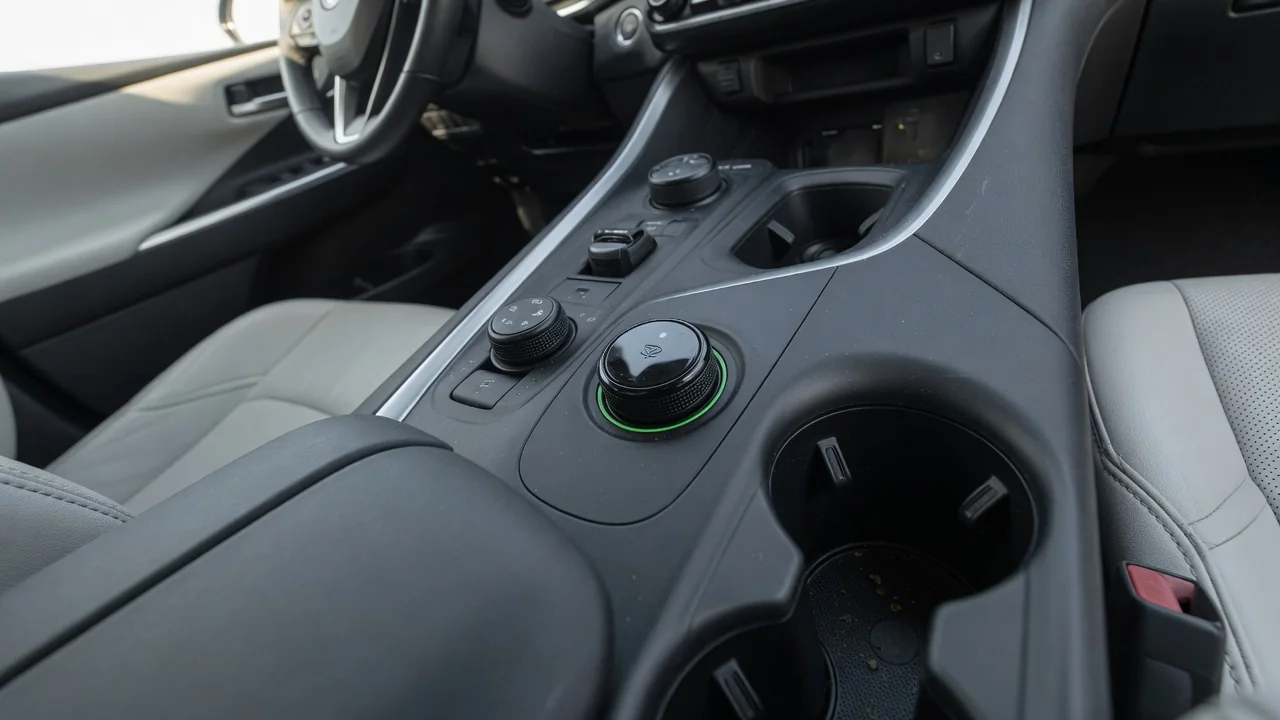
Many drivers wonder what is a hybrid EV mode button and why it sometimes seems to ignore them. The short answer is that the switch sends a request, not a command. It asks the hybrid control system to favor the electric motor and keep the gasoline engine off, and the car agrees only when conditions allow. Understanding those conditions makes the feature far more useful.
Battery and speed conditions
Electric-only driving depends first on how much usable energy the high-voltage battery holds. A conventional hybrid carries a relatively small pack that is charged by the engine and by regenerative braking, so its state of charge rises and falls constantly. If the charge sits low when the button is pressed, the system usually declines the request or cancels it shortly afterward, because it must protect the battery and keep enough reserve to restart the engine and support normal hybrid operation.
Road speed and power demand matter just as much. The electric motor in many hybrids can move the car gently at parking-lot and neighborhood speeds, but it cannot supply the output needed for brisk acceleration or highway cruising without help. Once speed climbs past the calibrated threshold, or the accelerator is pressed firmly, the engine starts and the mode ends. Plug-in hybrids generally tolerate higher speeds and longer distances on electricity, but the exact thresholds differ by manufacturer and model, so the owner's manual remains the reliable reference.
Driver feedback
The car normally tells the driver whether the request was accepted. A common arrangement is an indicator in the instrument cluster that lights when electric mode is active, along with a message if the mode is unavailable. Some vehicles add a chime, a brief explanation such as low battery or excessive speed, or a power gauge with a marked zone showing how far the accelerator can be pressed before the engine joins in. Watching that gauge is the easiest way to learn the system's boundaries.
Feedback also comes through the driving experience itself. With the mode active, the cabin is quieter, there is no engine vibration at a stop, and the car pulls away smoothly on motor torque alone. When the mode cancels, the driver may notice a faint shudder as the engine starts, a change in sound, and the indicator going dark. An energy flow screen, where fitted, shows whether power is traveling from the battery to the wheels or from the engine, though display layouts and wording vary between brands.
Realistic expectations
On a standard hybrid, the button is best thought of as a short-range convenience rather than a way to commute without fuel. The pack is sized to assist the engine and recapture braking energy, not to carry the car for long distances. Electric-only travel in this type of vehicle is typically brief and gentle, suited to moving through a garage, creeping in a driveway, or leaving a quiet street early in the morning. Expecting more than that leads to frustration when the engine starts anyway.
It also helps to recognize that pressing the button does not create free energy. Electricity used during electric driving in a non-plug-in hybrid was produced earlier by burning gasoline or by recovering momentum, and the engine will later run to replenish it. For that reason, forcing electric operation does not automatically improve overall fuel economy, and the hybrid system's own automatic decisions are often just as efficient. Plug-in models are different, since grid charging gives them a genuine reserve of electric range to spend.
Everyday Use and Observations
In daily driving, the mode tends to work best when the car is already warm, the battery gauge shows a healthy level, and the pace is slow and steady. Drivers often find it accepts the request readily in stop-and-go traffic after a stretch of braking has topped up the pack, yet refuses first thing on a cold morning. That happens because the engine may need to run to reach operating temperature, warm the catalytic converter, or supply cabin heat, all of which take priority over a quiet departure.
Accessory loads influence the outcome as well. Heavy use of the defroster, heater, or air conditioning draws on the system and can shorten or prevent electric operation, depending on how the vehicle powers those functions. Steep hills, a loaded cabin, or towing raise the power demand and bring the engine in sooner. Observing when the indicator stays lit and when it drops out over a few weeks gives a practical sense of the car's habits, which is more useful than any general rule.
Limits and Next Steps
A refusal or early cancellation is usually normal behavior, not a sign of trouble. The control system weighs battery charge, battery temperature, engine temperature, speed, and driver demand, and it will override the request whenever any of them fall outside its limits. Some vehicles also block the mode in certain drive settings or while particular systems are active. Because these rules are set by each manufacturer, two hybrids with similar buttons can behave quite differently, and the manual for the specific vehicle explains its own conditions.
A pattern that changes noticeably deserves attention, though. If a car that once entered electric mode easily now declines under the same mild conditions, or if warning lights or hybrid system messages appear alongside the refusals, a qualified technician with hybrid training should evaluate it. Any stored fault codes are clues to interpret through proper testing, not proof that a particular component has failed. High-voltage systems carry serious risks, so inspection and repair of the battery and related parts should be left to trained professionals.