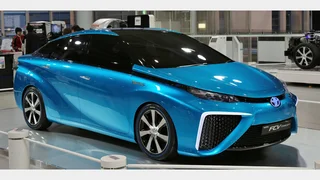
Toyota concept car 2017
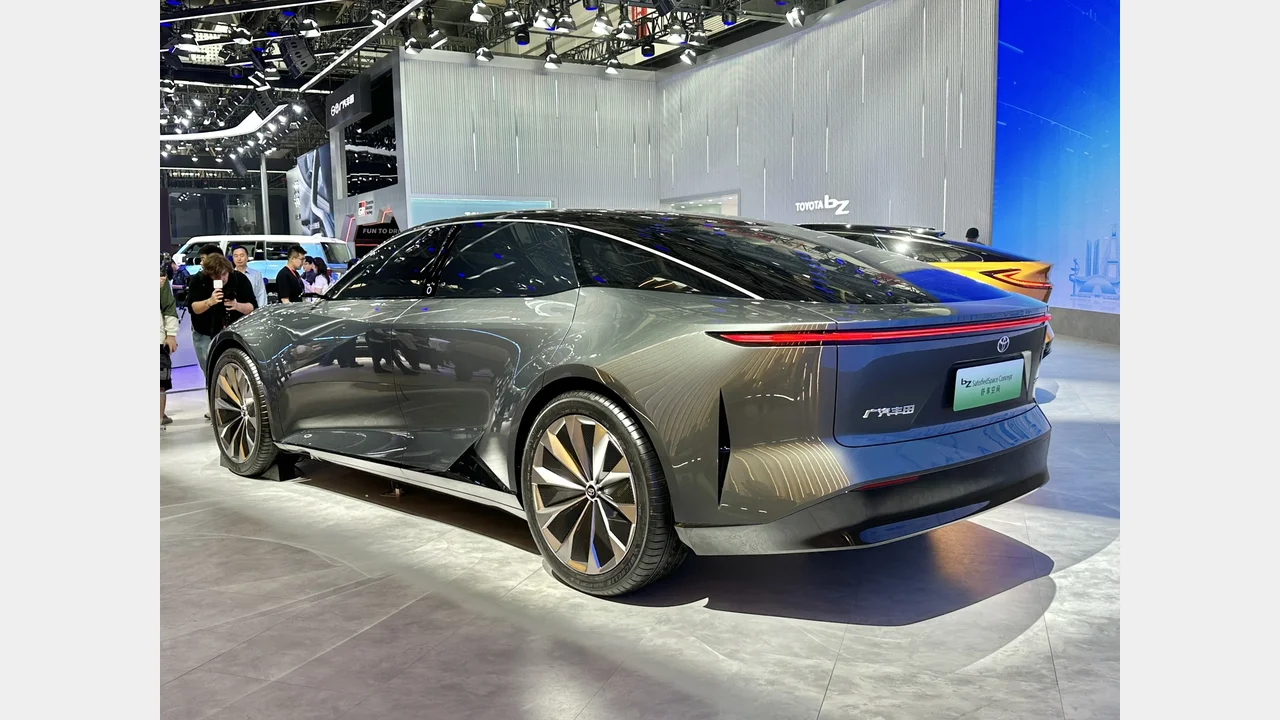
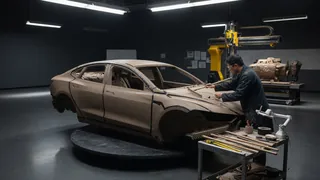
A Toyota concept car from 2017 represents a design study and engineering showcase rather than a vehicle you can typically buy. When shoppers search for this topic, they are usually trying to identify a particular show car, understand what it previewed, or trace how its ideas reached later production models. Concept vehicles let Toyota explore styling language, powertrain layout, cabin packaging, and materials before committing to factory specification. The connection between a concept and a market introduction is not always direct, but studying the concept helps explain design development choices that appear in subsequent model generations.
Essential answer
The essential answer is that Toyota presented multiple concept cars during 2017, each with a different role in the company’s product and technology planning. Some concepts focused on future styling direction, while others demonstrated alternative powertrain layouts or new platform thinking. Without confirming a specific vehicle name or auto show appearance, the safest interpretation is that the search refers to Toyota’s broader concept activity that year. The scope therefore includes design studies shown to the public, engineering demonstrators, and near-production previews that influenced later vehicles.
Concept cars occupy a different position from production models because they are not constrained by every production period, crash standard, or manufacturing cost limit. A concept can exaggerate a design cue, test an unconventional interior, or preview a battery-electric or fuel-cell direction long before market introduction. When a design element survives into a model generation, it often appears in a softened or simplified form. That is why a 2017 Toyota concept is best understood as evidence of design development and strategic intent, not as a promise of an exact showroom product.