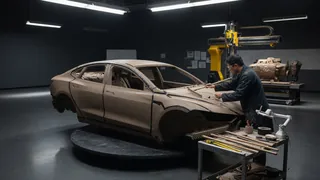
Toyota concept cars
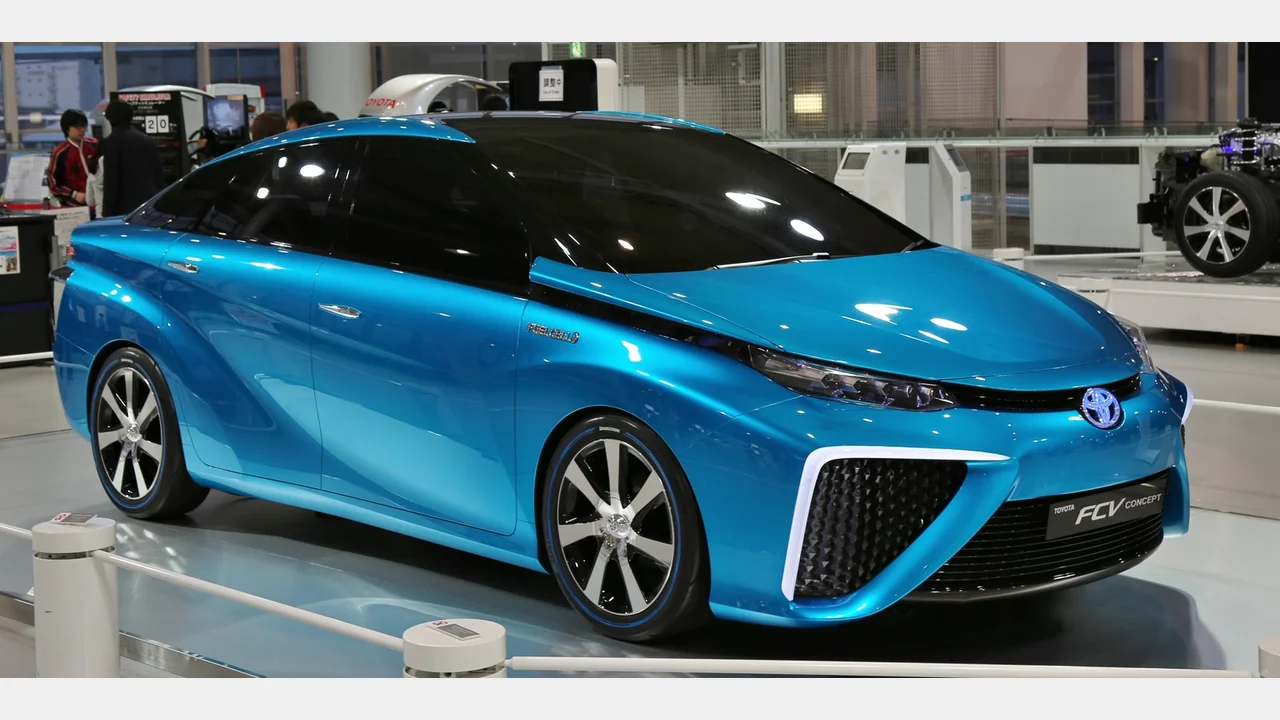
A Toyota concept car is a design study or technology demonstrator built to explore future styling, engineering, or packaging ideas before a vehicle reaches production. These one-off or limited prototypes allow Toyota to gauge public reaction, test new powertrain layouts, and signal where a model generation may be headed. Understanding the difference between a concept and a factory specification helps buyers avoid confusion when a dramatic show vehicle influences a later market introduction.
Essential answer
The essential answer is that a Toyota concept car is not a retail product, but a rolling laboratory for design development. It may preview a single styling element, an interior material direction, or an entire silhouette, yet the final production period often introduces significant changes for crash standards, manufacturing cost, and everyday usability.
A concept can range from a static styling buck with no drivetrain to a fully operational prototype. Because these vehicles exist outside normal model generation constraints, their dimensions, controls, and features are rarely identical to a later showroom car. Reader research should treat them as directional clues rather than confirmed factory specifications.