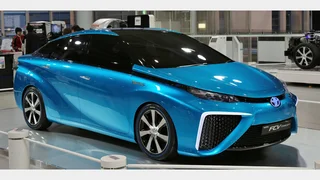
New Toyota Concept Car: What It Is, What It Signals and How It Differs From a Production Model
When people search for the new Toyota concept car, they are usually reacting to a recent auto show reveal or a striking photo and want to know what the vehicle is, whether it will be built and how it relates to the Toyota models already on sale. The short answer is that a Toyota concept car is a preview, not a product. It shows a design direction, a technology or an idea about future mobility, but it has no confirmed factory specification, price or US sale date until Toyota announces a production version. There is also an important qualification. "The new Toyota concept" is not one fixed vehicle. Toyota, along with its Lexus and Toyota Gazoo Racing (GR) divisions, regularly reveals several concepts at once, often at major events such as the Japan Mobility Show, the successor to the Tokyo Motor Show. Which car counts as the newest depends on the most recent reveal, so the useful approach is to understand what kind of concept you are looking at and what it can and cannot tell you.
What a Toyota Concept Car Is
A concept car is a vehicle built to communicate intent rather than to be sold. Some are running prototypes, while others are static display models with no working drivetrain at all. Toyota concepts generally fall into three broad groups, and identifying the group is the first step to judging how close a concept is to reality.
Design studies: vehicles that explore styling themes, proportions or brand identity. They may influence future models without previewing any single one. Technology demonstrators: vehicles built around a powertrain, battery, software, autonomy or interior concept. The body is often secondary to the system being shown. Near-production previews: vehicles that closely resemble a model Toyota intends to build, sometimes revealed with a stated nameplate or a general timing statement.
Many reveals blend these roles. A concept may carry a familiar model name while still being mainly a design exercise, so a recognizable badge on its own does not confirm that a production version is coming or what form it will take.
How a Concept Differs From a Production Toyota
Aspect | Concept car | Production model; Purpose | Preview ideas, test public reaction, signal direction | Sold to customers in defined markets; Specifications | Often unstated or described as targets | Published factory specification by model year, trim and market; Powertrain | May be undefined, conceptual or non-functional | Certified powertrain with rated output and efficiency; Regulatory compliance | Not required for display | Must meet safety and emissions rules in each market; Pricing | None | Set by Toyota for each trim and region; Design details | Show wheels, thin pillars, hidden mirrors, minimal door handles | Practical lighting, mirrors, bumpers, wipers and packaging
The gap between the two columns is where most of the change happens. Even when a concept is described as close to production, details such as wheel size, ride height, mirror design, lighting and cabin layout typically change before market introduction.
Reading Powertrain Claims on a Toyota Concept
Toyota has publicly favored what it describes as a multi-pathway approach to reducing emissions, meaning it develops several powertrain types in parallel instead of committing to one. Its concepts therefore cover a wide range: conventional hybrids, plug-in hybrids, battery electric vehicles, hydrogen fuel cell vehicles and, in motorsport and experimental settings, hydrogen-fueled combustion engines.
Powertrain layout describes how the propulsion system is arranged, for example front-wheel drive, rear-wheel drive or all-wheel drive using one or more electric motors, and where the engine, motors and battery sit in the chassis. On a concept, Toyota may describe the layout only in general terms, or not at all. If a concept is said to be electric or hybrid, treat that as a statement of direction. Output, range, battery capacity and efficiency figures, if quoted, are usually targets rather than certified results, and a production version may use a different powertrain from the show car.
Design Development: From Show Stand to Showroom
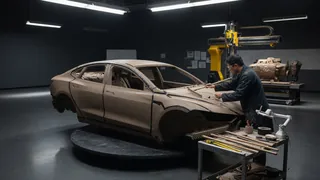
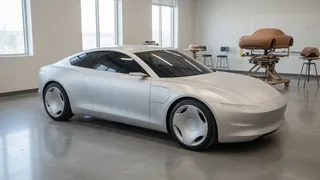
Design development is the process of turning a styling idea into a vehicle that can be manufactured, crash-tested, certified and sold. Concept cars are free of many constraints that shape real cars, so the styling usually evolves in predictable ways.
Proportions change to fit real seating positions, headroom, cargo space and crash structures. Wheels and tires usually shrink in size and gain taller sidewalls for comfort and cost. Cameras replacing mirrors on a concept often become conventional mirrors, depending on market rules. Lighting is redesigned to meet regulations for brightness, position and visibility. Interior screens, controls and materials are adapted for durability, cost and usability. Bumpers and front ends are reshaped for pedestrian protection and low-speed impact standards.
What tends to survive is the overall character: the stance, signature lighting graphics, surface themes and the general shape of the cabin. When comparing a concept with a later production car, look for that shared character rather than an exact match.
Production Period and Model Generation
A concept can relate to production in two ways. It may preview an entirely new model, or it may hint at the next model generation of an existing nameplate. A generation is a major redesign of a model, usually involving a new body, updated platform and often new powertrains, after which the model stays in production for several model years with smaller updates.
A concept does not establish a production period by itself. Unless Toyota states a timeline, there is no reliable way to say when a production version would start or how long it would be built. Some concepts lead to a production model relatively quickly, some influence a vehicle years later, and some never reach production at all.
Market Introduction in the US
Many Toyota concepts debut in Japan, and not every production model that follows is sold in the United States. US market introduction depends on factors such as expected demand, the fit within Toyota's existing US lineup, and compliance with US safety and emissions requirements. A vehicle sold in Japan or Europe may need engineering changes before it can be certified for US roads, and Toyota may decide those changes are not worthwhile for a given model.
For US readers, the practical rule is to wait for a specific announcement about North American availability. Until then, the concept indicates what Toyota is exploring globally, not what will appear at a local dealership.
How to Judge How Close a Concept Is to Production
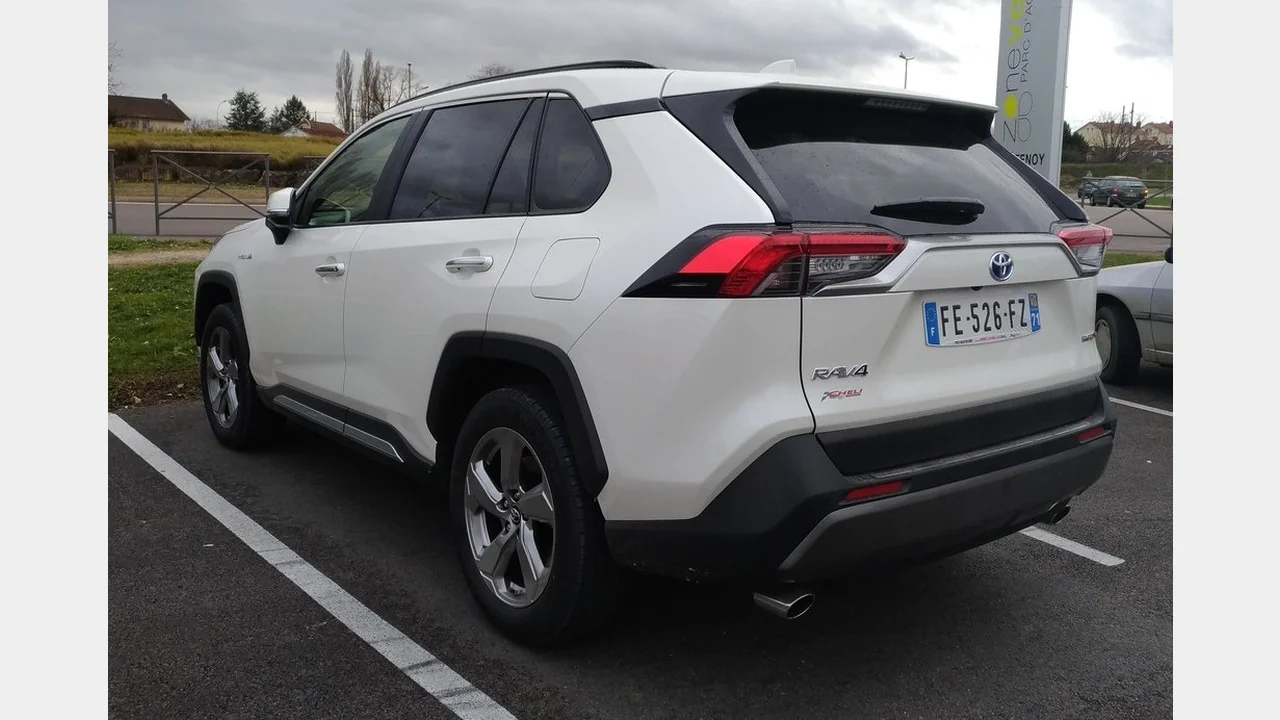
Production-ready hardware: realistic door handles, mirrors, wipers, license plate mounts and practical tire sizes suggest a near-production preview. Naming: a specific model name or an existing nameplate points to a planned product more often than an abstract concept code, though it is not a guarantee. Toyota's own wording: phrases about a planned launch or a stated timing window carry more weight than general talk about future mobility. Technical disclosure: published dimensions or powertrain details suggest more development maturity than a purely visual reveal. Interior completeness: a fully realized, usable cabin is a stronger sign than a sealed or minimal display interior.
What This Means for Shoppers
A new Toyota concept car is best treated as a signal of where the brand is heading in design and technology rather than a basis for a purchase decision. If you need a vehicle now, compare the current Toyota lineup on its own documented specifications rather than delaying for a concept that may change substantially or may not reach the US.
If a concept does move toward production, the details that matter for an informed choice arrive later: the official factory specification for each trim, US pricing, EPA efficiency ratings, safety ratings from independent testing organizations and the confirmed model year. Those, not the show car, are what define the vehicle you would actually own.