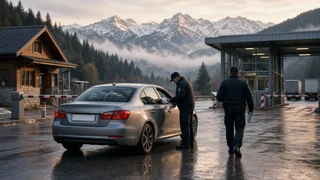
Driving in Switzerland
Driving in Switzerland combines familiar European motoring rules with mountainous route segments where road classification, lane layout and traffic signs change quickly. Travel conditions can shift from open motorway to restricted village street within a short distance. Understanding access restrictions, tunnel behavior and seasonal weather helps a visiting driver plan a safer trip. The practical answer below covers what an American motorist should expect when navigating Swiss roads, including the particular considerations for a September journey.
Essential answer
Swiss driving is structured around clear priority rules, prominent signage and strong enforcement of access restrictions. A visitor should treat every speed-limit sign as a firm boundary and expect cameras in many areas. Entering the country by car requires a motorway vignette for designated highways, while other road classifications remain accessible without that toll sticker. The essential scope includes understanding that road width and lane layout narrow considerably once you leave the valley floor, which affects passing, parking and turning.
Driving in Switzerland in September means planning for mixed travel conditions. Early autumn can still bring warm afternoons, but higher passes may already see fog, rain or overnight frost. The tourist season is quieter than midsummer, yet mountain routes remain busy with buses, cyclists and agricultural vehicles. A driver should interpret weather warnings and local signals before entering high-altitude route segments, because conditions there can change the safe speed far below the posted limit.