Exporting a Car from Switzerland to the EU: What the Process Involves
The short answer
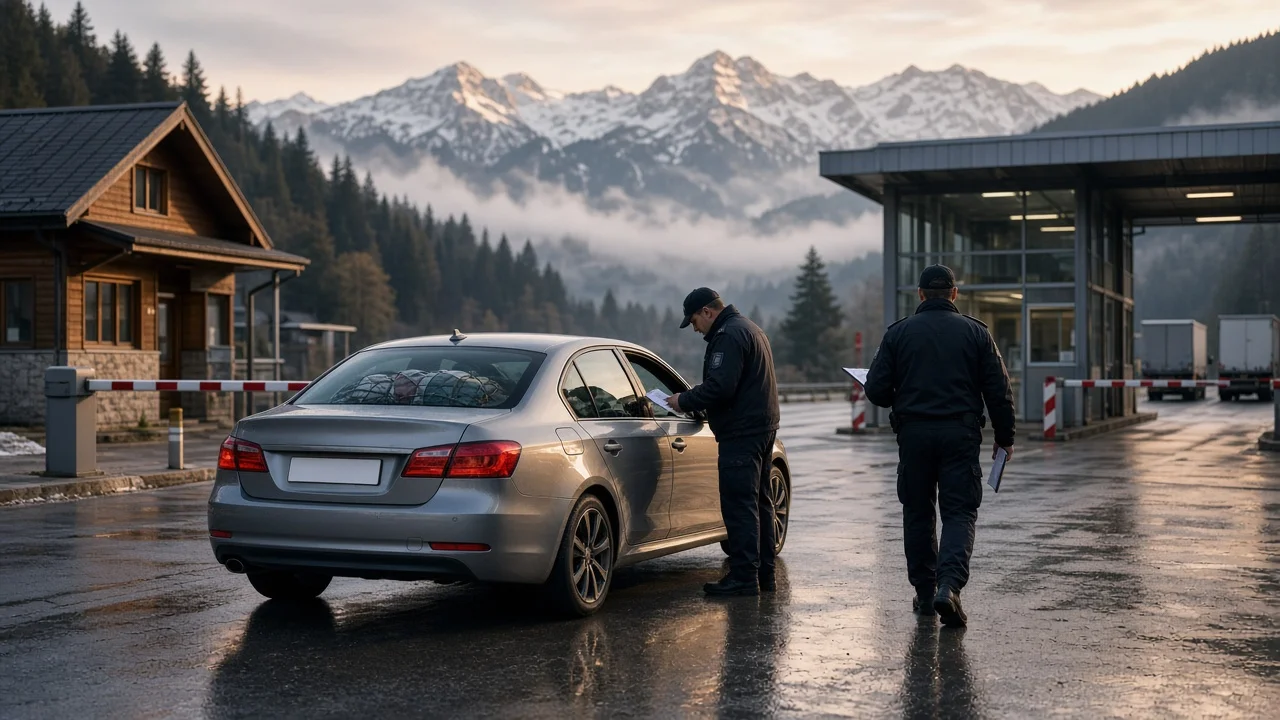
A car can be taken from Switzerland to an EU country, but it is not a simple domestic transfer. Switzerland is outside the EU and outside the EU customs union, so the move is treated as an export from Switzerland and an import into the EU. In practice that means three stages: formalities on leaving Switzerland, customs clearance on entering the EU, and registration in the destination member state. Whether import duty and VAT are payable depends mainly on why the car is moving, such as a personal relocation or a purchase, and on where the car was manufactured.
Why Switzerland counts as outside the EU for vehicles
Switzerland is closely tied to the EU through bilateral agreements and is part of the Schengen area, which removes routine passport checks at most borders. Schengen does not remove customs controls, however. Because Switzerland is not in the EU customs union, goods crossing the border, including vehicles, generally require a customs declaration on the Swiss side and on the EU side.
The three stages of the move
Leaving Switzerland: the car is normally deregistered with the cantonal road traffic office, and the Swiss plates are handed in or deposited as that office requires. An export declaration is made to Swiss customs. This declaration also serves as proof of export, which matters if a Swiss seller is to sell the car without charging Swiss VAT. Entering the EU: the car is declared to customs in the EU, and import duty and import VAT are paid unless a relief applies. Customs then issues proof of clearance, which registration authorities in EU countries typically ask to see. Registering in the destination country: the car is registered under that country's national rules, which usually involves proof of technical conformity and may involve a roadworthiness inspection.
Between deregistration in Switzerland and registration in the EU, the car still needs valid registration and insurance to be driven on public roads. Common approaches are temporary export or transit plates, or transporting the car on a trailer or truck. The availability and conditions of temporary plates are set by the relevant authorities and should be confirmed in advance.
What changes the answer
If you are relocating your residence: EU customs rules provide relief from import duty and VAT for personal property, including vehicles, belonging to people who transfer their normal residence into the EU. The relief comes with conditions. These typically include having owned and used the vehicle for a minimum period before the move and not selling or lending it for a period afterward. The exact periods and supporting documents are set in EU law and applied by national customs, so check them with the destination country's customs authority before the move.
If you are buying a car in Switzerland to bring into the EU: import duty and import VAT are generally due in the member state where the car is cleared. Exports from Switzerland are normally exempt from Swiss VAT, so a properly documented export sale should avoid paying VAT in both countries. Seller practices vary, though, and the export paperwork must be in order for the exemption to apply.
Where the car was made: the duty rate can depend on the car's origin. The free trade agreement between the EU and Switzerland gives preferential treatment only to goods that meet its origin rules and are supported by proof of origin. A car manufactured elsewhere and sold in Switzerland does not become a Swiss-origin product just because it was sold there. EU customs law also has a relief for returned goods originally exported from the EU, but it applies only under narrow conditions on timing and the condition of the goods. A used car that has spent years in Switzerland often will not qualify.
Documents typically involved
Swiss vehicle registration certificate (Fahrzeugausweis, permis de circulation or licenza di circolazione); Purchase contract or invoice showing the price paid; Proof of identity and, when claiming relocation relief, evidence of the change of residence and of prior ownership and use; Swiss export declaration; EU customs clearance document; Certificate of Conformity or other evidence of technical approval; Insurance cover valid for the journey and for registration
The exact list differs between member states and between relocation and purchase cases, so treat this as a starting checklist rather than a complete one.
Technical approval and registration
Swiss vehicle approval rules are largely aligned with EU type-approval, and many cars sold in Switzerland are the same models sold in the EU. The registration authority in the destination country still decides what evidence it accepts. An EU Certificate of Conformity (a manufacturer document confirming the car matches an approved EU type) usually makes registration simpler. Without one, an individual inspection or approval may be needed. Cars originally built for markets outside Europe and later imported into Switzerland may need more work before they can be registered in the EU.
Gaps in this guide
No confirmed figures were available for this article. It gives no duty or VAT rates, fees, processing times, or authority contact details. Import VAT rates differ by member state, and duty treatment depends on the car's origin and the circumstances of the move. All of these can change. Confirm current requirements with Swiss customs (the Federal Office for Customs and Border Security), the cantonal road traffic office, and the customs and vehicle registration authorities of the destination country.
Practical next step
Work out which scenario fits your case, whether a residence transfer or a purchase, and identify the car's manufacturing origin. Then contact the customs authority of the destination EU country first, because that is where any duty and VAT liability is decided. Confirm its registration requirements as well, and do both before the car leaves Switzerland.