What Is a Sleeper Car? Meaning, Concept, and Safety
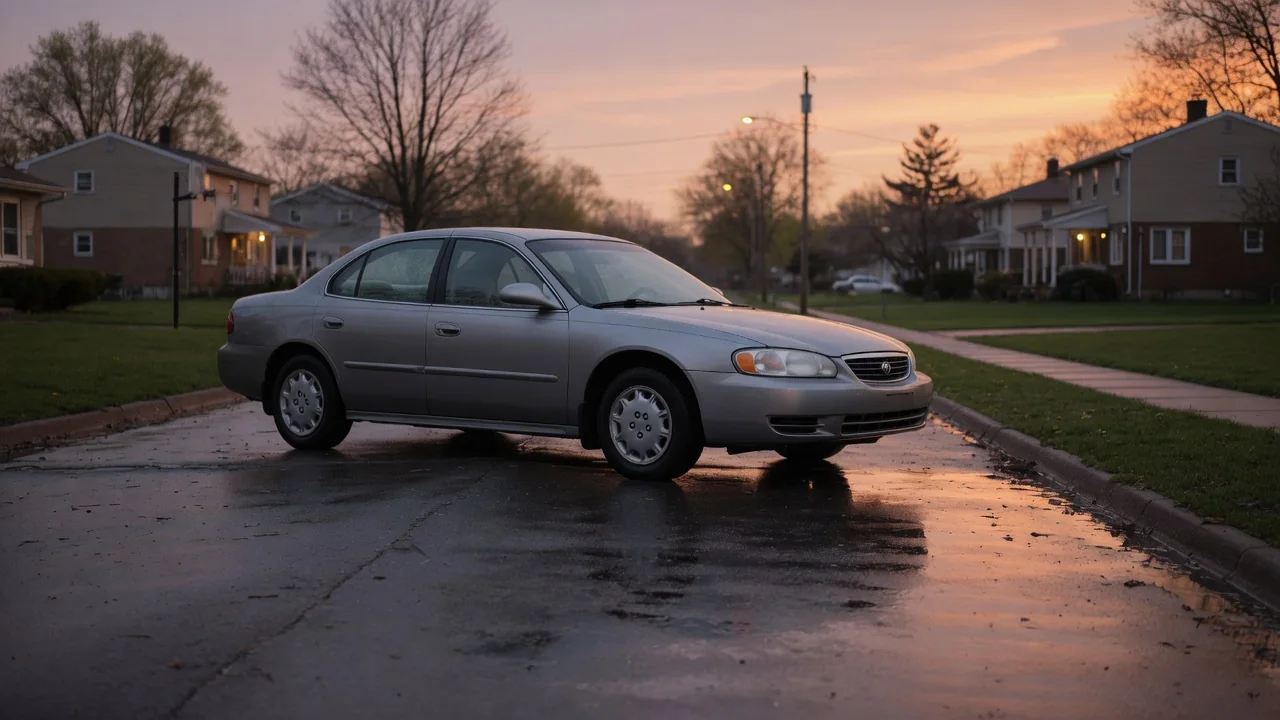
A sleeper car is a vehicle that looks ordinary but performs far better than its appearance suggests. The term comes from enthusiast slang: the car seems to be "asleep" until it is driven hard. If you have wondered what a sleeper car is, the short answer is a deliberate gap between looks and capability. This guide explains the sleeper car meaning, how the concept works, and why safety matters when performance is hidden.
Unassuming appearance
The defining trait of a sleeper is that nothing about its exterior advertises speed. It typically resembles an everyday commuter car, family sedan, wagon, or practical hatchback. There are no large wings, aggressive body kits, oversized exhaust tips, loud graphics, or other cues that onlookers usually associate with performance. To a casual observer, it blends into traffic and draws little attention in a parking lot.
Enthusiasts often distinguish between factory sleepers and built sleepers. A factory sleeper is a production vehicle whose standard or optional powertrain delivers more performance than its conservative styling implies. A built sleeper is a car that an owner has modified while intentionally keeping the original look. In both cases, the understated exterior is the point. Some owners even remove badges that might hint at a more powerful engine or trim level, a practice commonly called debadging.
Subtlety usually extends to sound and stance as well. A convincing sleeper avoids obviously lowered suspension, unusually wide wheels, and a loud exhaust note at idle, because any of these can give the game away. The term is relative rather than exact: whether a car counts as a sleeper depends on how much its looks understate what it can do, and enthusiasts sometimes disagree about where the line falls.
Performance concept
The concept behind a sleeper is the contrast between expectation and capability. Performance in this sense usually means strong acceleration, but a well-rounded sleeper may also have capable brakes, suspension, and tires that let it handle and stop in proportion to its power. The appeal for many enthusiasts lies in the surprise factor and in owning a car that delivers enjoyment without attracting attention.
In general terms, sleepers gain their performance through the same mechanisms used in any performance vehicle. Common approaches include fitting a larger or more powerful engine than the car originally offered, adding forced induction such as a turbocharger or supercharger, recalibrating engine management, and upgrading the transmission and driveline to handle the extra torque. Electric drivetrains can also create a sleeper effect, since electric motors can deliver strong torque from a standstill in a body that looks entirely conventional. How much any particular change improves a specific vehicle depends on its design, condition, and the quality of the work.
A true sleeper treats power as only one part of a system. Additional output places greater demands on cooling, fuel delivery, axles, mounts, and the clutch or transmission. Builders who focus solely on engine output, without supporting changes, risk a car that is fast in a straight line but unreliable or difficult to control. The best examples of the concept balance capability across the whole vehicle while still keeping the exterior plain.
Safety
Hidden performance carries real safety responsibilities. Braking, steering, suspension, and tires need to match the car's capability, because a vehicle that accelerates quickly also reaches higher speeds sooner and needs more distance and grip to stop. Original components chosen for a modest power level may not be adequate once output has been raised substantially. Inspecting and upgrading these systems is a basic part of building or maintaining a sleeper responsibly.
The unassuming look can also affect other road users. Drivers and pedestrians judge the behavior of nearby vehicles partly by appearance, and an ordinary-looking car that moves much faster than expected can catch them off guard. That is one reason sleeper performance belongs on closed courses, sanctioned drag strips, and track days rather than public roads. Street racing is illegal in many places and puts uninvolved people at risk.
Mechanical safety deserves equal attention. Modifications that raise power or alter fuel and ignition settings can increase heat and stress on components. Poorly executed work may lead to failures such as overheating, fluid leaks, or driveline breakage, some of which can create hazards at speed. Having significant changes performed or reviewed by qualified technicians, and following the maintenance needs of modified parts, helps reduce these risks.
Practical implications and limits
Owning a sleeper involves trade-offs beyond driving. Modifying a vehicle can affect warranty coverage, emissions compliance, and roadworthiness inspections, and rules vary by jurisdiction. Insurers generally expect owners to disclose modifications, and failing to do so may complicate a claim. Before changing a car's powertrain, it is worth checking local regulations and discussing the plans with an insurance provider.
Daily usability can also change. Higher-output engines may require higher-octane fuel, more frequent maintenance, or specialized parts, and running costs often rise as a result. Ride comfort, noise, and drivability in traffic can suffer if upgrades are chosen for maximum performance rather than balance. Resale is another consideration: some buyers value a carefully documented build, while others prefer an unmodified car, so a sleeper may appeal to a narrower market.
Finally, the label itself has limits. Calling a car a sleeper describes a relationship between its appearance and its capability, not a formal category, rating, or guarantee of performance. A factory model praised as a sleeper still behaves according to its own specifications and condition, and a modified one is only as capable and dependable as its parts and workmanship. For anyone evaluating a specific vehicle, its owner's manual, service records, and documentation of any modifications provide more reliable guidance than the nickname.