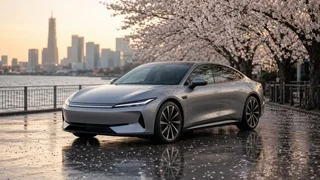
Sleeper Japanese cars
Japanese sedans and hatchbacks often hide serious speed beneath conservative styling. The sleeper formula pairs an unassuming body configuration, modest equipment level, and quiet paint with a stronger powertrain option pulled from the manufacturer’s performance shelf. Regional availability and model year can change which trim qualifies as a sleeper, but the core idea remains the same: ordinary traffic sees a commuter car while the driver knows the market segment was quietly upgraded. This overview explains how that contrast works, why certain Japanese platforms became ideal sleepers, and what to look for when identifying one.
Essential answer
Sleeper Japanese cars are production vehicles that blend commuter-car looks with a disproportionately capable engine and suspension. The most convincing examples use a mid-size sedan or wagon shell with no wide fenders, large rear wing, or bright badging. A higher-output engine may be borrowed from a sportier model in the same family, giving the car acceleration that surprises drivers of more aggressive-looking coupes. This makes the vehicle easy to overlook in a parking lot but memorable from the driver’s seat.
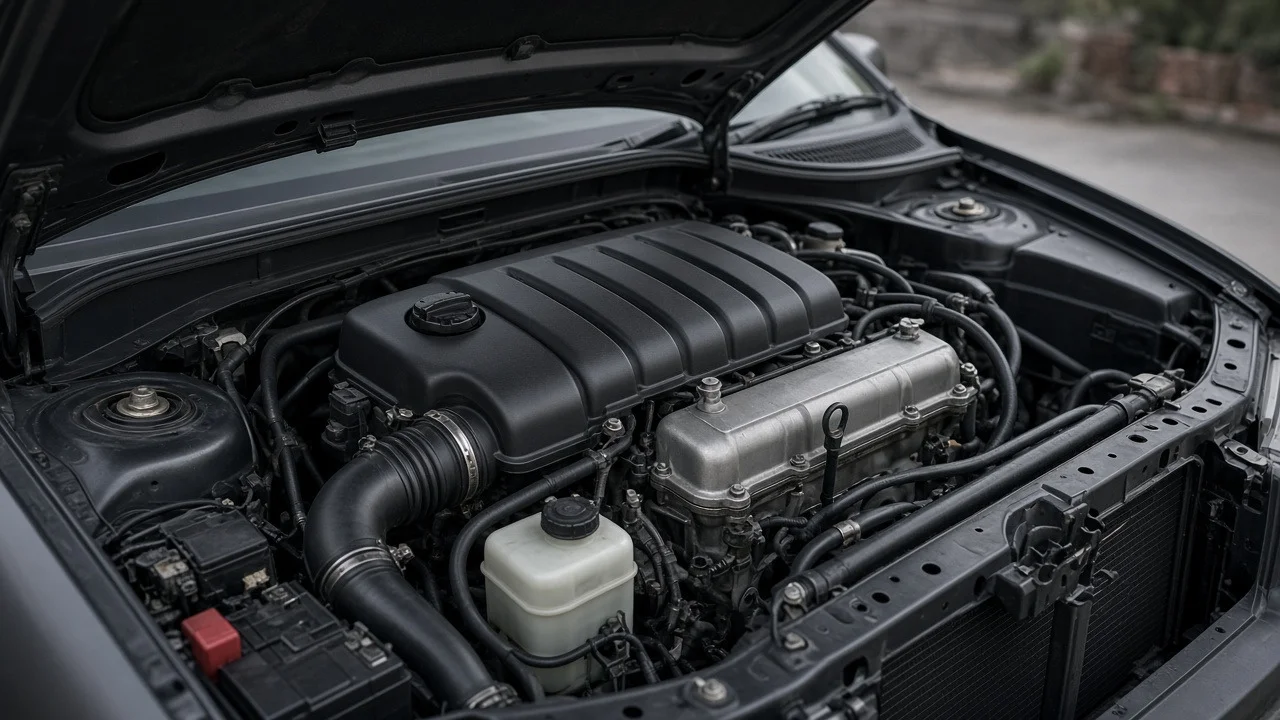
Many Japanese sleepers exist because automakers offered one body configuration with multiple powertrain options across different equipment levels. A base-looking trim could be ordered with a turbocharged engine and firmer dampers while retaining steel wheels and cloth seats. Market segment and regional availability also matter, since Japan and the United States sometimes received different engine choices for the same model year. The sleeper is therefore less a specific model than a careful combination of conservative appearance and expanded performance.